
Sarajevo Security Conference 2026: the security of Europe in a divided world
- 7 September 2026
- Posted by: i4dd
- Categories: Comunicat de presă, Femeia, Pacea și Securitatea (WPS)
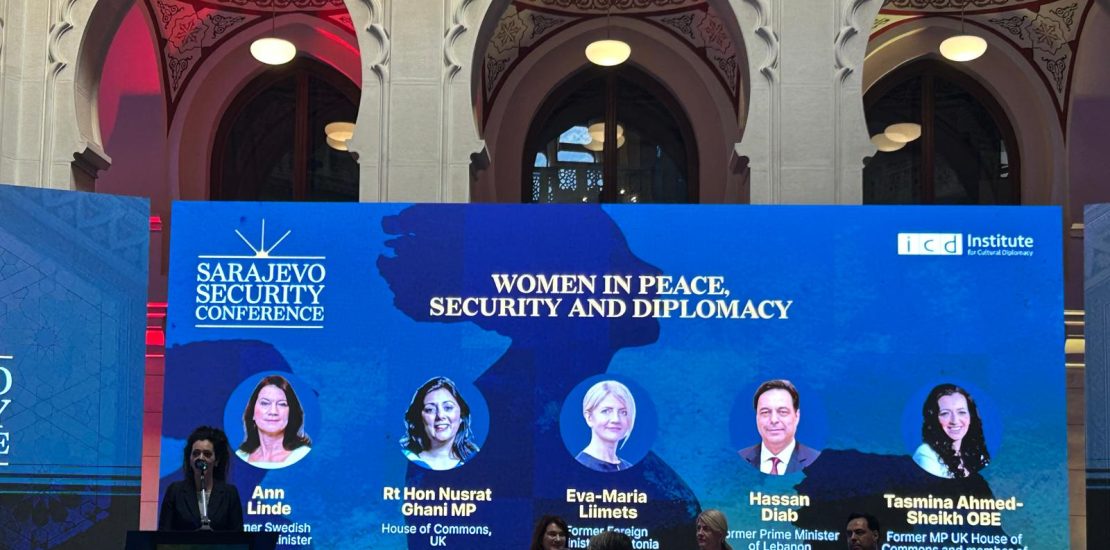
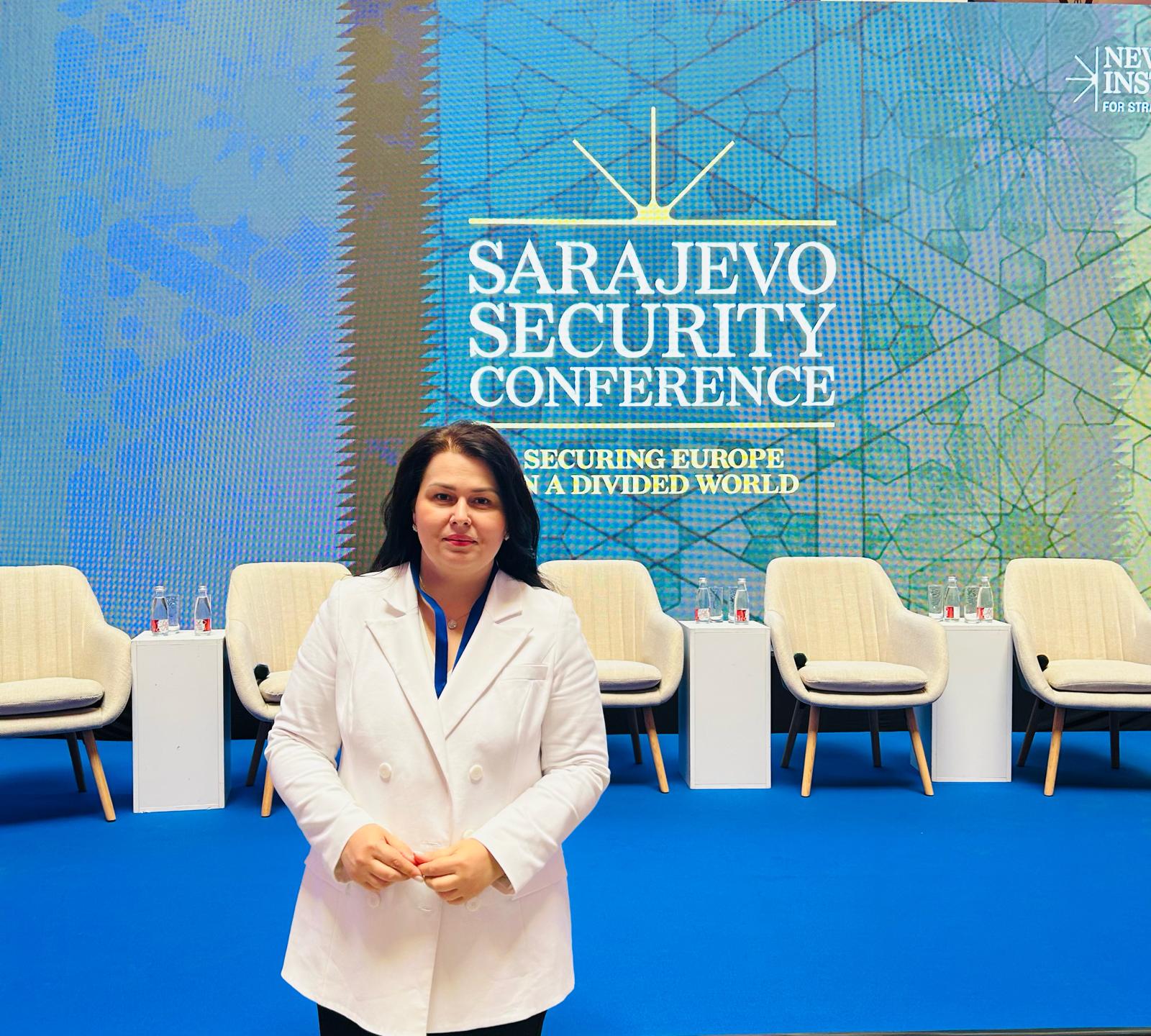
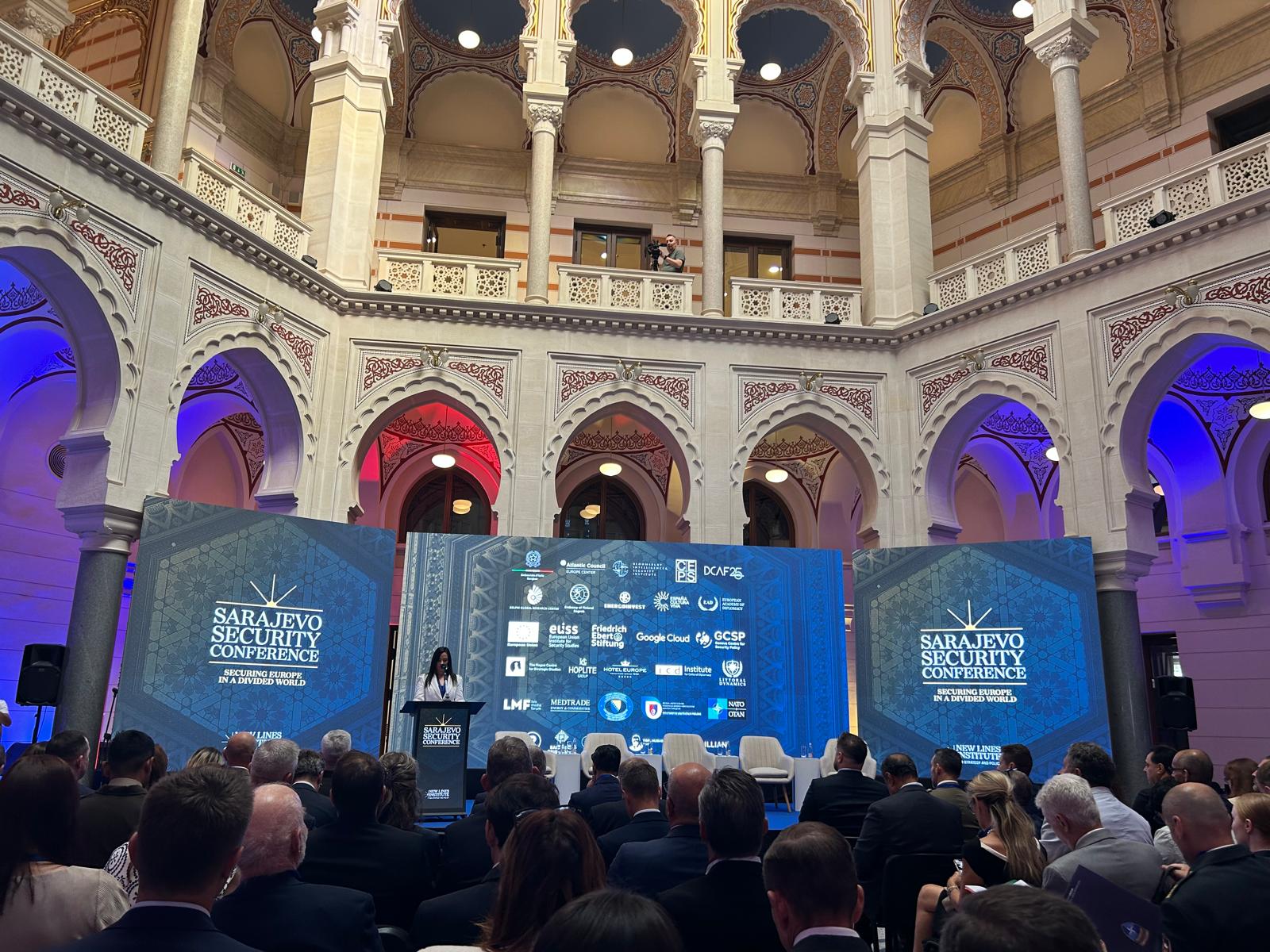
Sarajevo, 4–6 September 2026 — The fourth edition of the Sarajevo Security Conference, the most significant and influential geopolitical and security event in South-East Europe, took place featuring a dedicated panel on the Women, Peace and Security (WPS) Agenda. The conference brought together over 140 international experts, government officials, military leaders, diplomats, representatives of the defence industry and academia, totalling more than 300 participants from Europe, the United States, the Middle East and other regions.
This year's edition was held under the theme „Security of Europe in a Divided World”, reflecting the major challenges currently shaping the European and global security architecture.
The programme included sessions addressing critical topics for European security:
- the evolution of the European security architecture;
- the future of transatlantic relations;
- cybersecurity, hybrid threats and cognitive warfare;
- energy security and the resilience of critical infrastructure;
- the integration of new technologies and artificial intelligence in defence;
- analysis of current geopolitical crises and their impact on the international order.
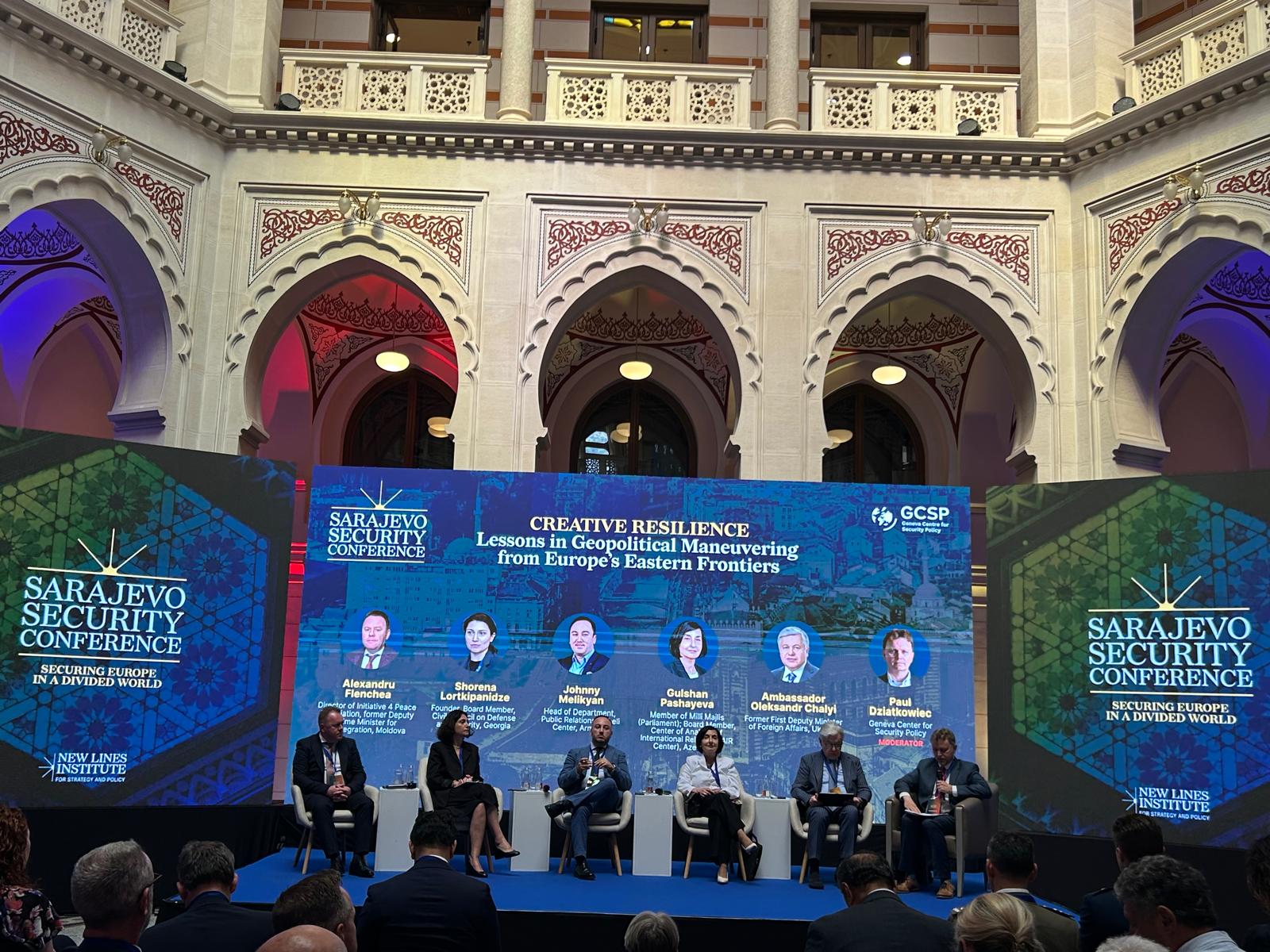
Key directions for the European security architecture
Political leaders, military experts and representatives of international institutions highlighted several essential directions:
1. Europe needs stronger defence and collective security
Participants emphasised that European states must reinforce their defence capabilities, invest in interoperability and assume a proactive role in regional security. States must act as providers of security, not merely beneficiaries.
2. Security is not an abstract concept
Speakers stressed that security is directly connected to citizens' daily lives. Preventing instability, countering disinformation, protecting critical infrastructure and strengthening institutional resilience are indispensable for European stability.
3. Diplomacy requires security, intervention capacity and strategic vision
Modern diplomacy cannot function outside a robust security framework. Participants stressed that preventive diplomacy, rapid intervention capacity and a coherent strategic vision are essential for crisis management.
4. Security is not an isolated domain
Security is interdependent with the economy, the rule of law, education, technology and international cooperation. The rule of law was underscored as one of the most effective instruments for preventing instability and strengthening public trust.
5. No country can manage security challenges alone
The shared conclusion was that current threats — hybrid, cyber, energy-related and geopolitical — exceed the capacity of any single state to act independently. Regional cooperation and strategic alliances are indispensable.
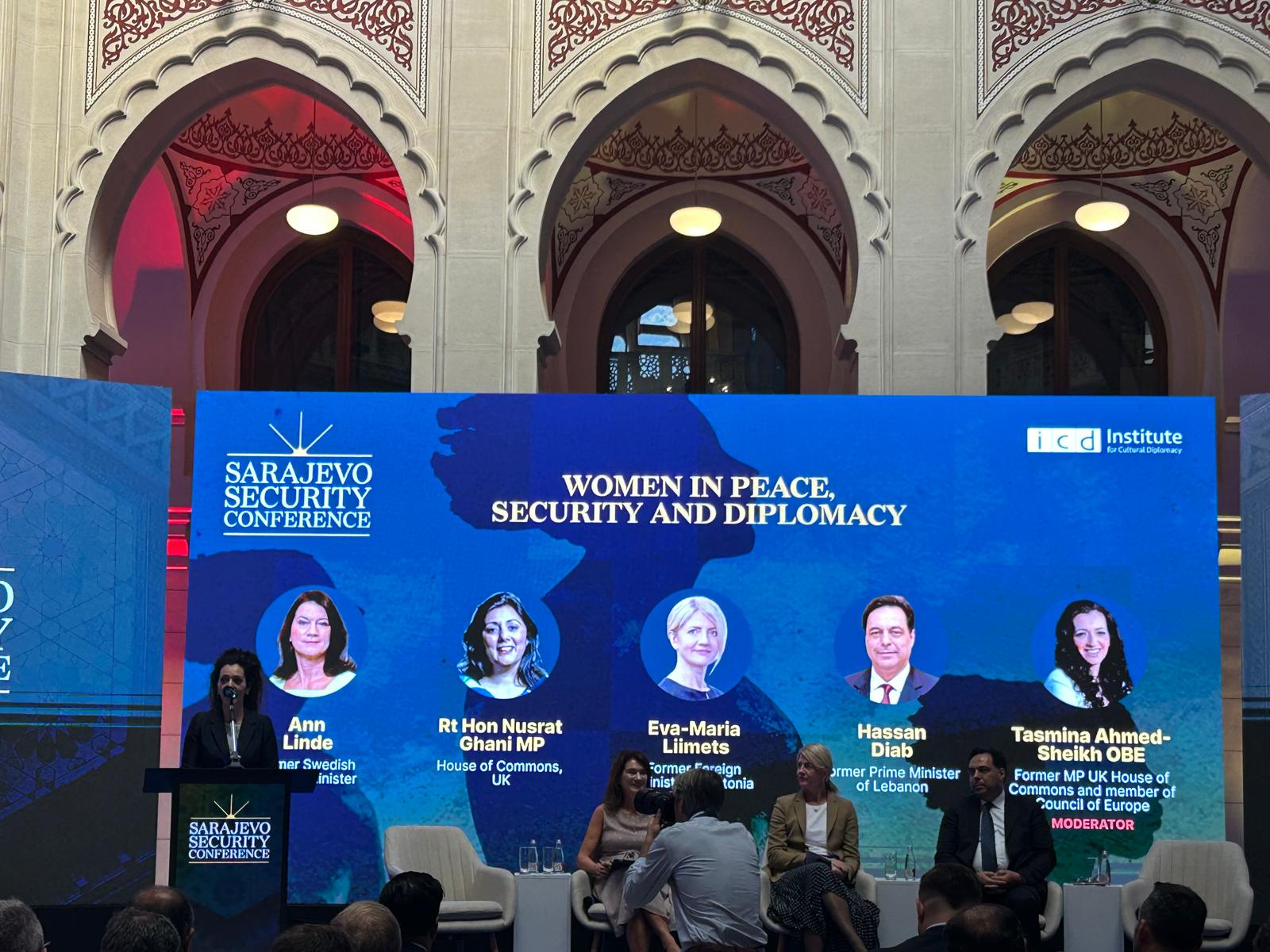
The panel dedicated to the Women, Peace and Security Agenda
One of the central panels of the conference was dedicated to the Women, Peace and Security Agenda, focusing on the role of women in peace processes and in the broader security architecture.
6. Women must have a seat at the negotiation table
Discussions examined the extent to which women are involved in peace negotiations and what their participation looks like in practice. Speakers stressed that women must not only be present, but must hold real influence in decision-making processes.
7. Women must contribute to peace design and reconstruction
The Women, Peace and Security Agenda was presented as a strategic instrument for designing peace processes, post-conflict reconstruction, institutional architecture, and peace education and resilience. Women bring essential perspectives for preventing violence, strengthening communities and increasing trust in institutions.
8. Women must have space and voice at all levels and in all security structures
From local to strategic levels, women's participation is a prerequisite for sustainable peace processes and effective security policies. The panel emphasised that women's inclusion is not symbolic, but an operational necessity.
The event was attended by Cristina Lesnic, Director of I4DD and Chair of the Women, Peace and Security Initiative Group.

 English
  Romanian