
Institutional resilience in the face of new threats: the question is not whether the Republic of Moldova will be tested, but how prepared it is to intervene and respond
- 11 November 2026
- Posted by: i4dd
- Category: Press-Release

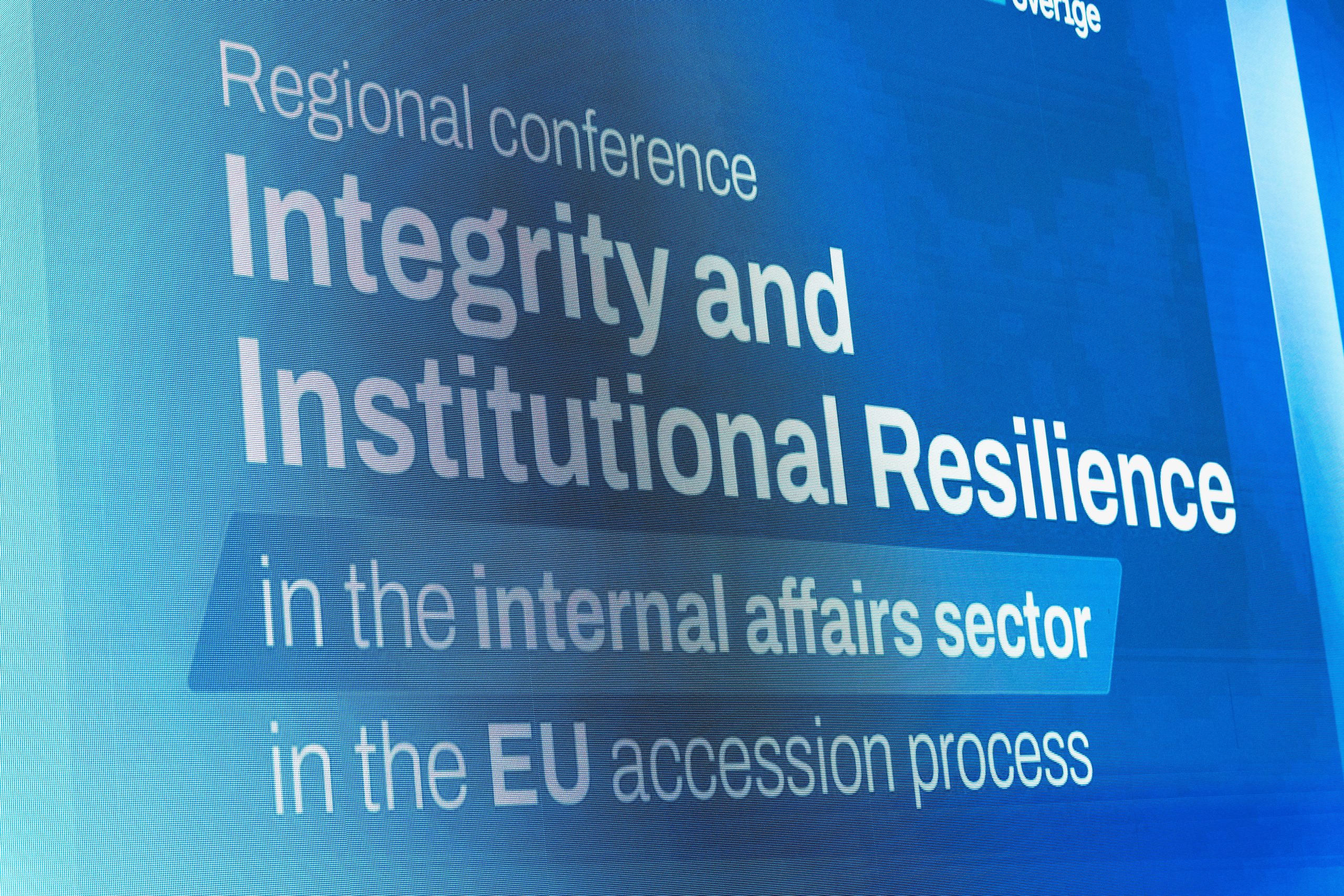
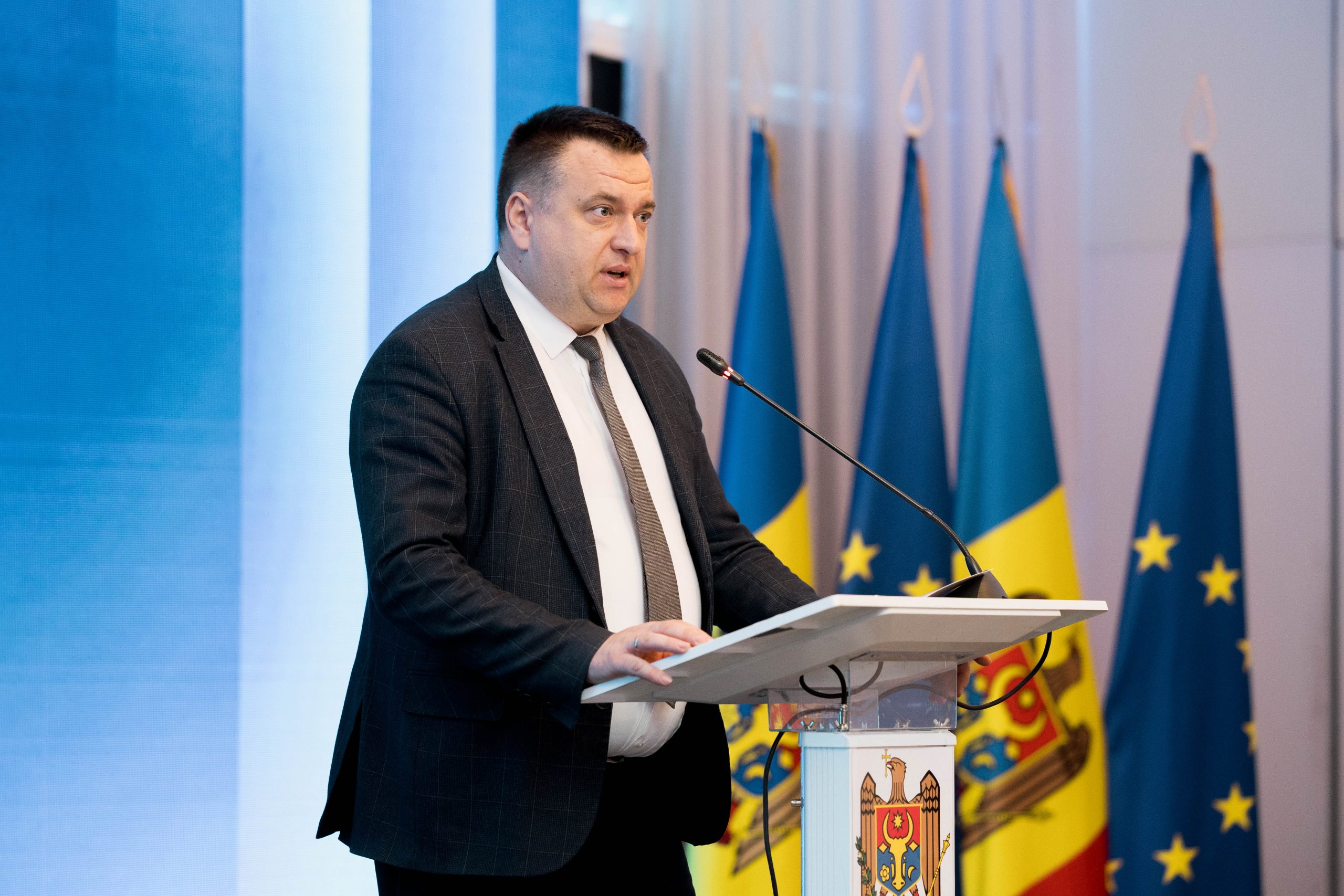
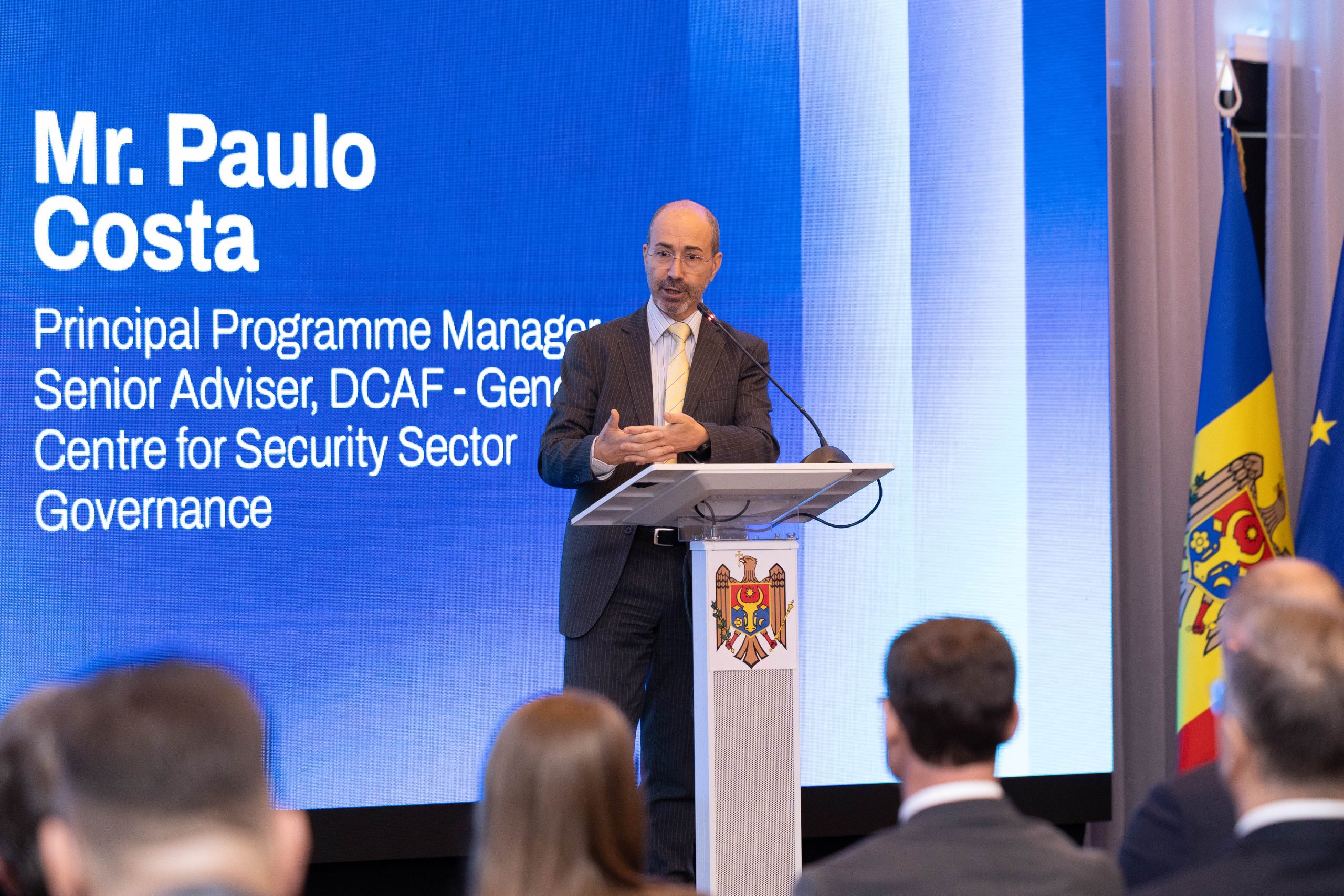
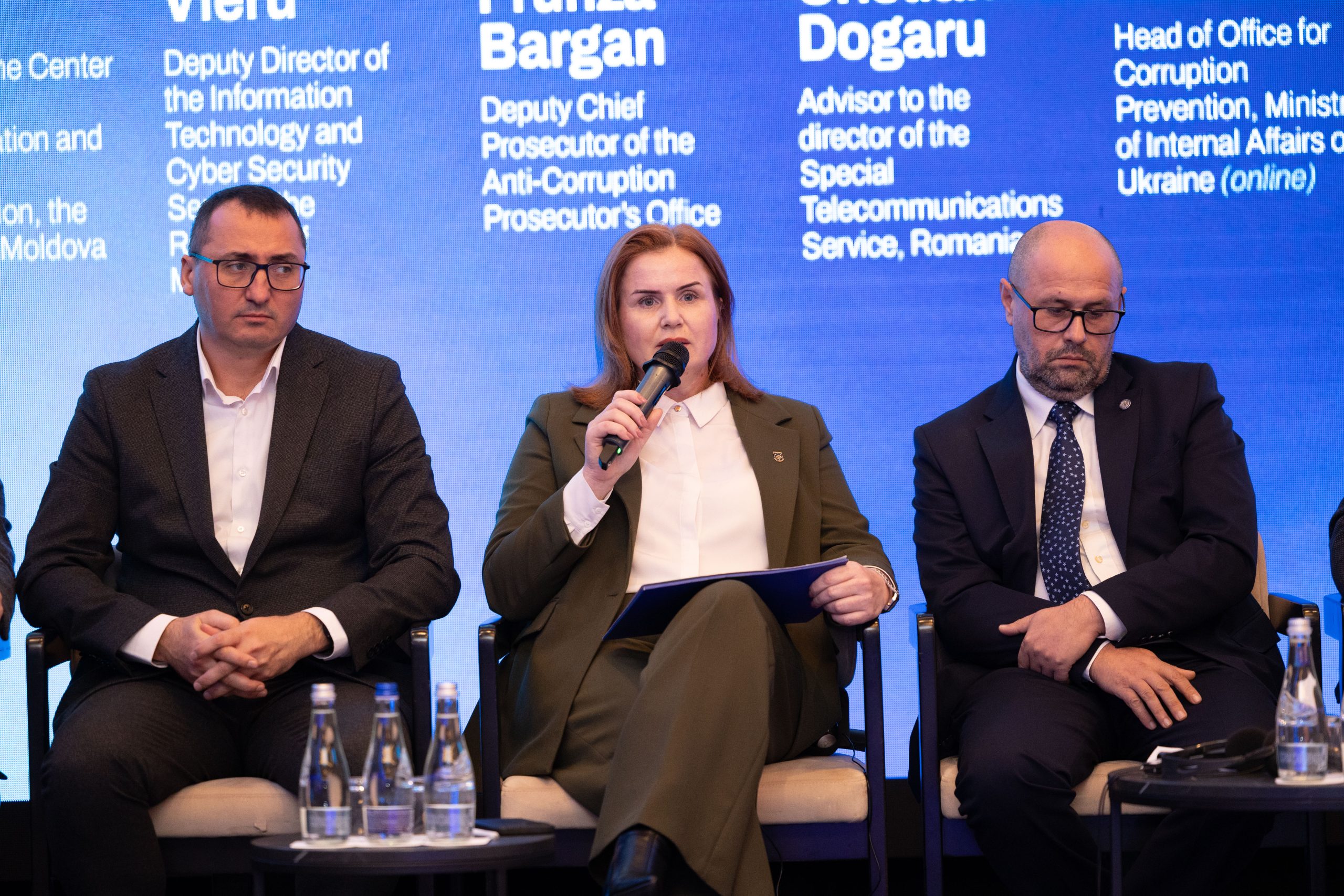
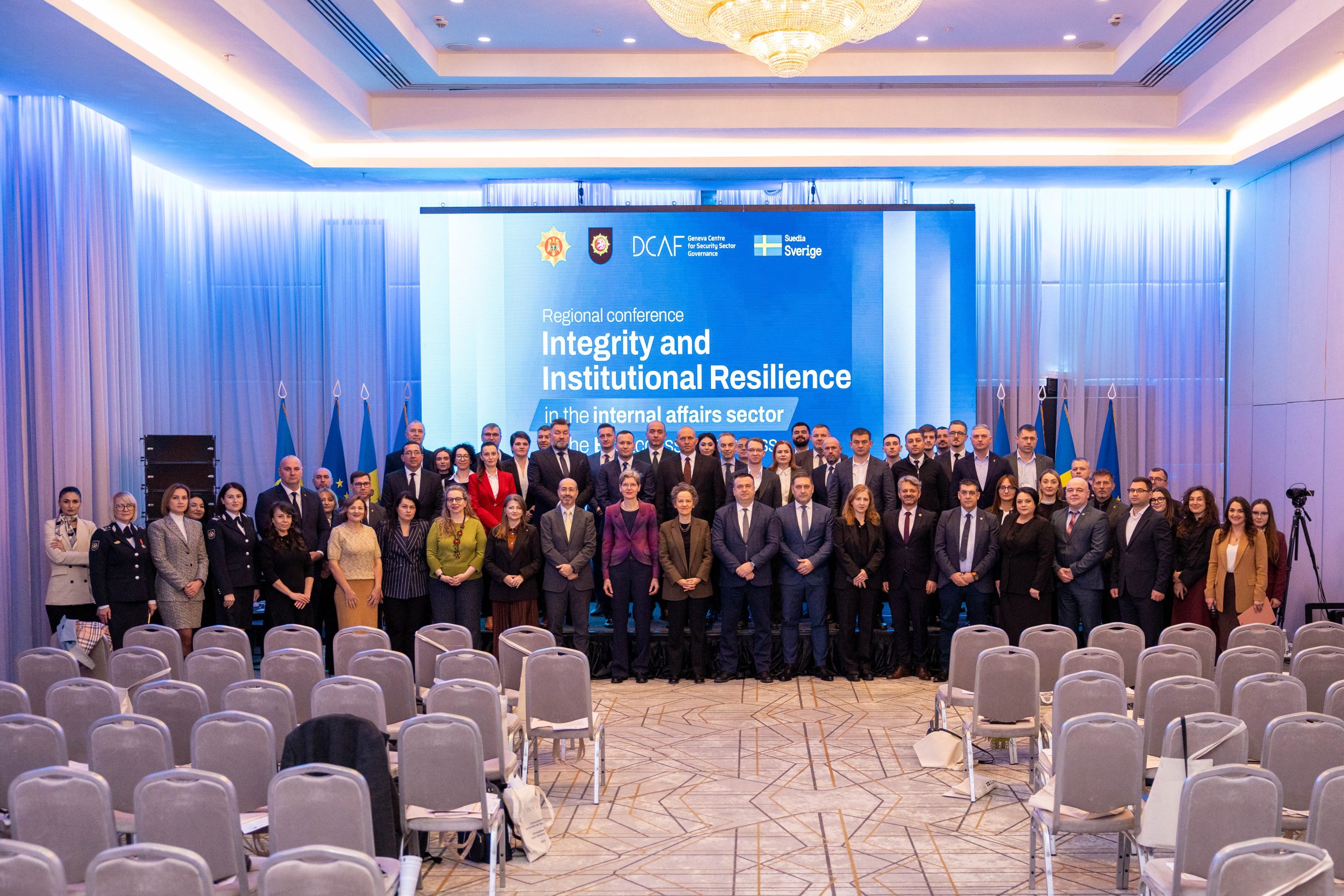
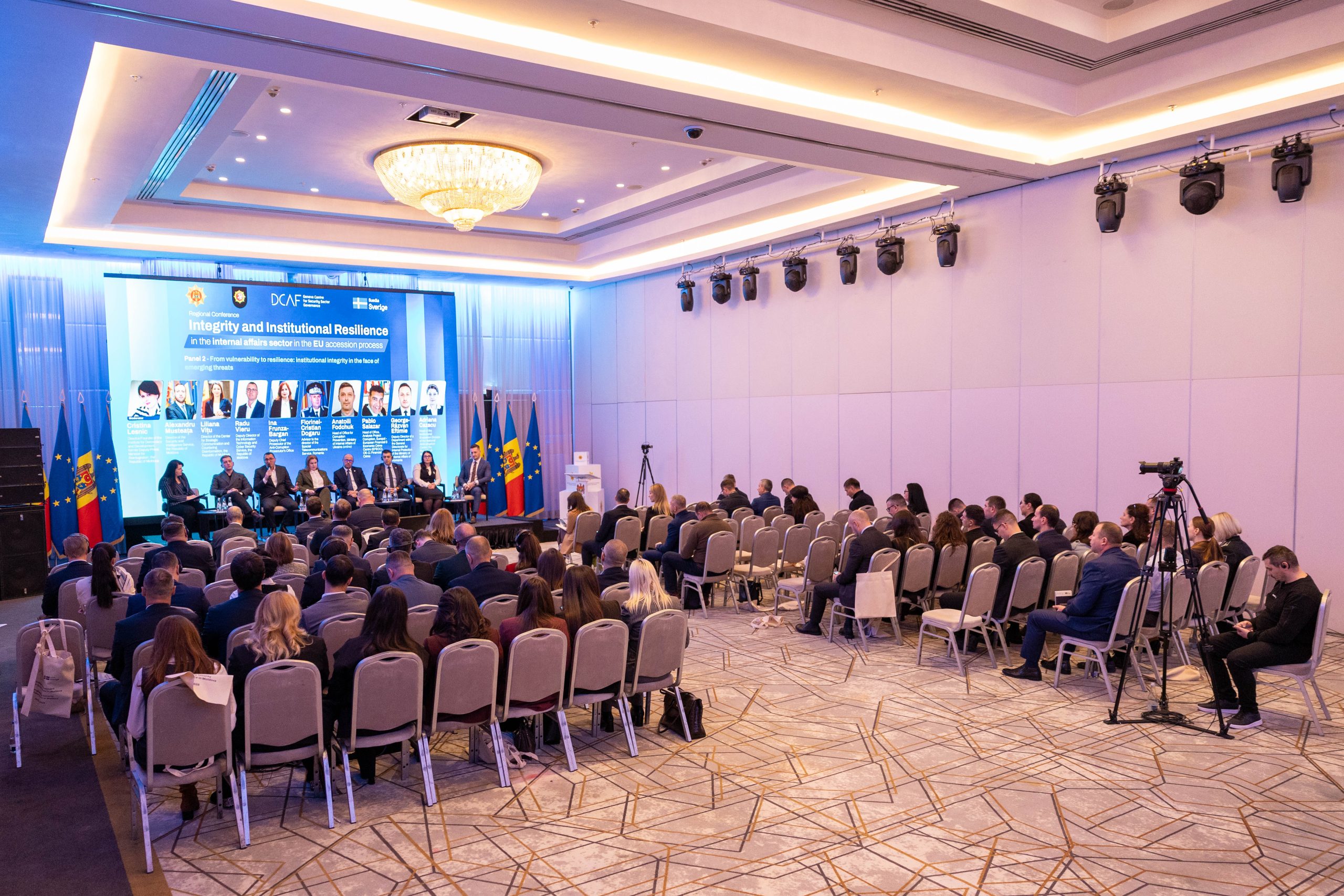
The Republic of Moldova is already facing cyberattacks, and institutions are increasingly aware of this risk. This was one of the main conclusions of Panel 2 – “From Vulnerability to Resilience: Institutional Integrity in the Face of New Threats”, held on 10 November 2026 in Chișinău as part of the regional conference “Integrity and Institutional Resilience in the Home Affairs Sector in the EU Accession Process”.
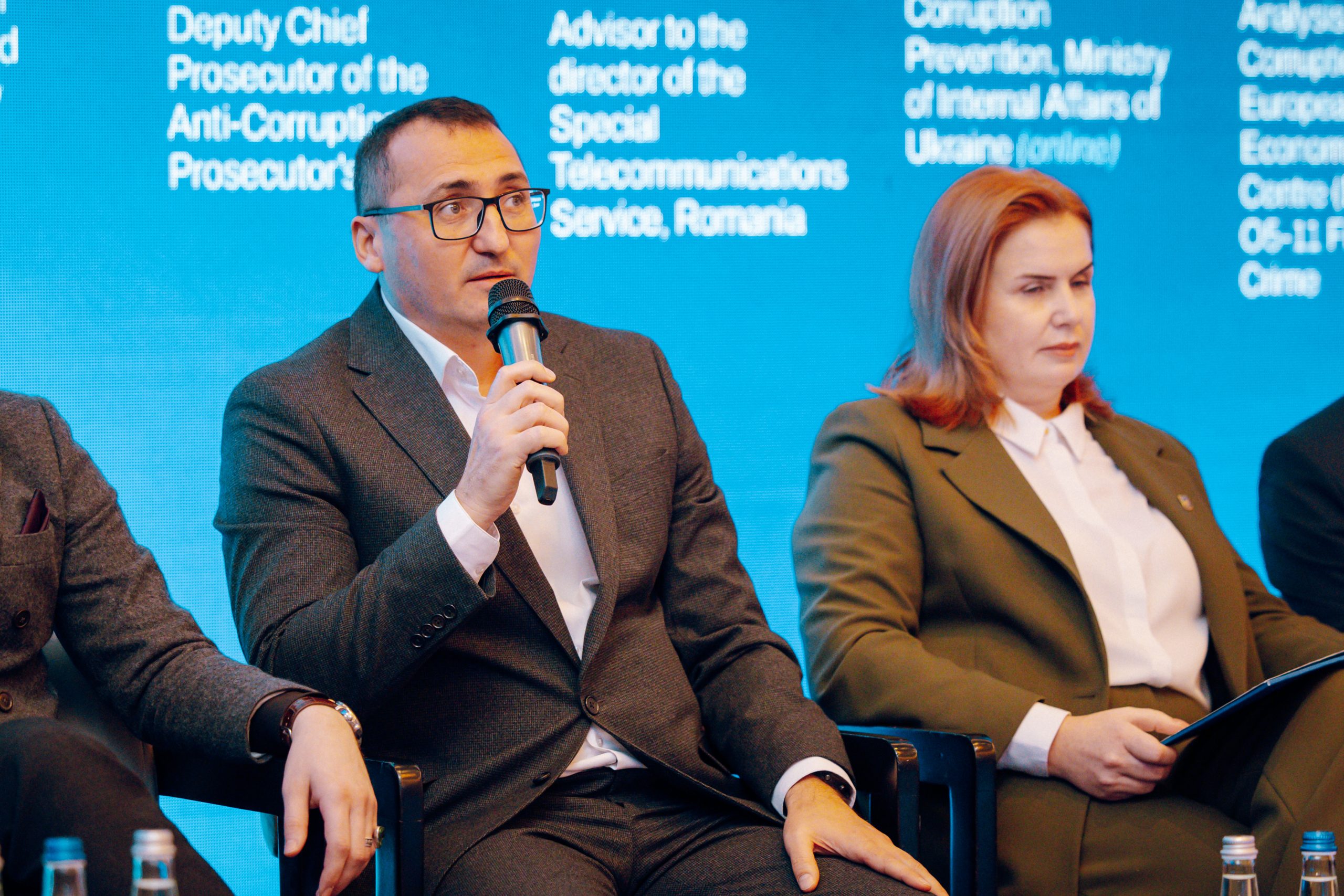
Moderated by the Director of the Institute for Democracy and Development, Cristina Lesnic, the panel brought together representatives of security, law enforcement and anti-corruption institutions from the Republic of Moldova, Romania and Ukraine, as well as Europol. The central message of the discussion was clear: the question is no longer whether the Republic of Moldova will be tested, but how prepared it is to intervene and respond to cyber and hybrid threats and to new forms of corruption.
Cybersecurity: from awareness to “security by design”
Participants stressed that public institutions in the Republic of Moldova are targeted by cyberattacks and that the digitalisation of public services expands the attack surface. In this context, speakers emphasised the principle of “security by design”: security must be built into information systems and digital services from the design stage, rather than added later in response to incidents.
From the perspective of the Information Technology and Cyber Security Service (STISC), the cyber resilience of government institutions and the protection of critical infrastructure depend on the capacity for prevention, detection and rapid response.
Fighting corruption: growing results and new tools
Representatives of the Anti-Corruption Prosecutor’s Office and the National Anti-Corruption Centre highlighted that the value of assets recovered from corruption offences has increased, confirming the importance of financial investigations and asset recovery as a deterrent. They also underlined the importance of planning integrity measures at institutional level in order to identify and manage corruption risks at an early stage.
The panel also addressed the recommendations issued by the Council of Europe’s Group of States against Corruption (GRECO) following its Fifth Evaluation Round, which focuses on preventing corruption and promoting integrity in central governments (top executive functions) and law enforcement agencies, as well as the status of their implementation.
Romania’s experience: an approach built on four areas of interaction
Representatives of Romania’s Special Telecommunications Service and of the General Directorate for Internal Protection of the Romanian Ministry of Internal Affairs shared an experience considered useful for the Republic of Moldova. According to this approach, resilience must be built on four areas of interaction:
- citizens – citizens;
- citizens – authorities;
- authorities – citizens;
- authorities – authorities.
This approach emphasises that resilience is not only a responsibility of state institutions, but also the result of trust, communication and cooperation among all actors involved. Panellists also highlighted the privileged cooperation between the Republic of Moldova and Romania, which provides a framework of trust for the exchange of expertise, mutual support and institutional capacity building throughout the EU accession process.
Moldova’s cooperation with Europol: steady progress
The representative of Europol’s European Financial and Economic Crime Centre (EFECC) presented current corruption trends in European countries. Panellists noted that cooperation between the Republic of Moldova and Europol has shown steady progress after almost 10 years. They particularly underlined the importance of the exchange of strategic and operational data, which is essential for identifying criminal trends, analysing risks and providing operational support in complex investigations.
Ukraine’s experience: digitalisation, public procurement and whistleblowers
The representative of the Ministry of Internal Affairs of Ukraine, who joined online, shared Ukraine’s experience regarding:
- the digitalisation of public services, as a tool to reduce interactions vulnerable to corruption;
- fighting corruption in public procurement;
- the protection and role of whistleblowers in the early detection of misconduct.
Conclusions
The discussions confirmed that institutional integrity is a component of national security and that resilience is built through prevention, detection, response and cooperation at national, regional and European level. The exchange of experience with Romania, Ukraine and Europol offers the Republic of Moldova practical guidance on its path towards EU accession.










 English
 Romanian