
From UN Resolution 1325 to artificial intelligence in journalism: the second day of the media workshop dedicated to the Women, Peace and Security Agenda and the Triple Nexus
- 23 July 2026
- Posted by: i4dd
- Categories: Comunicat de presă, Media Fellowship WPS Triple Nexus
Chișinău, 23 July 2026
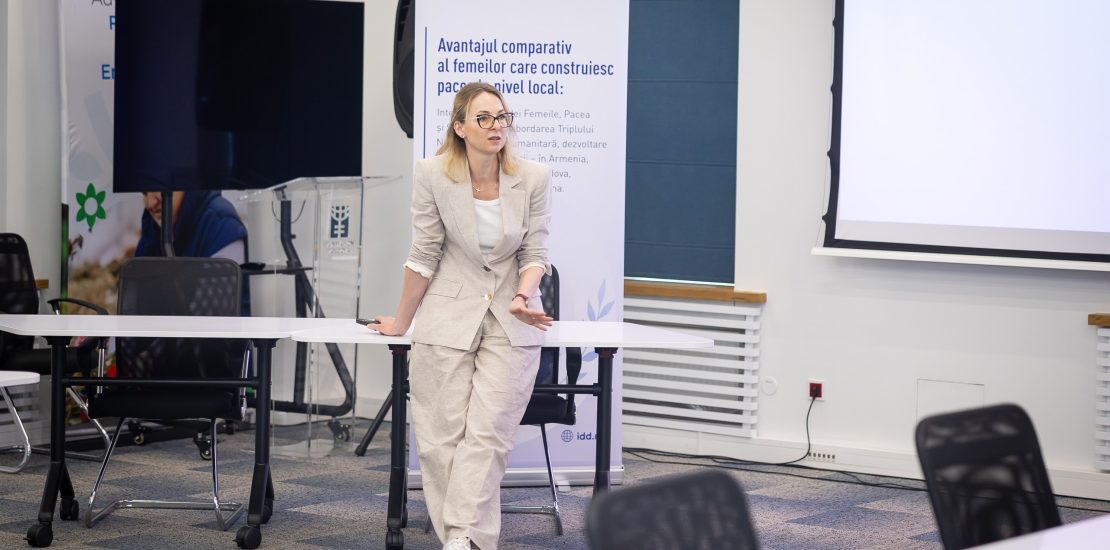
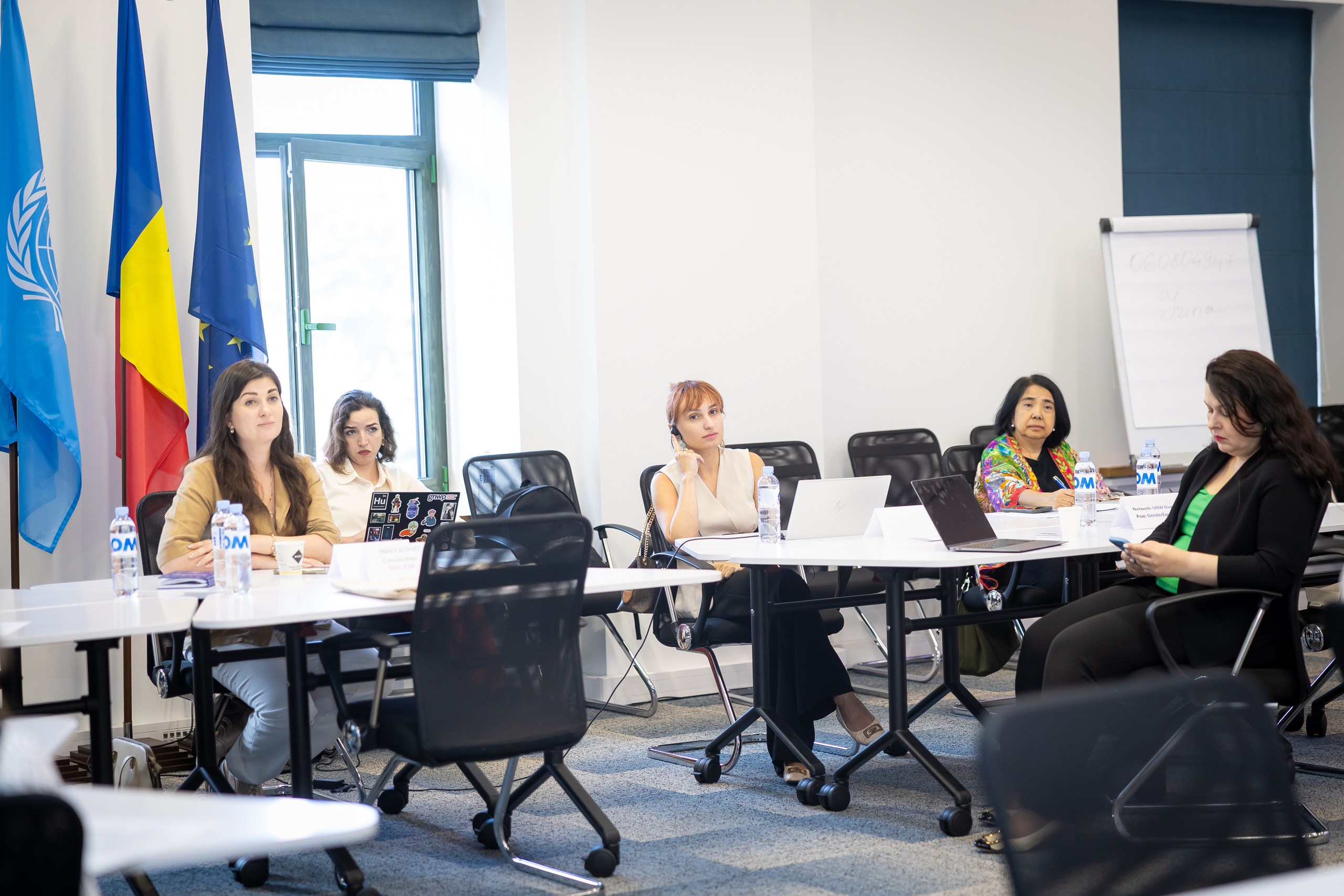
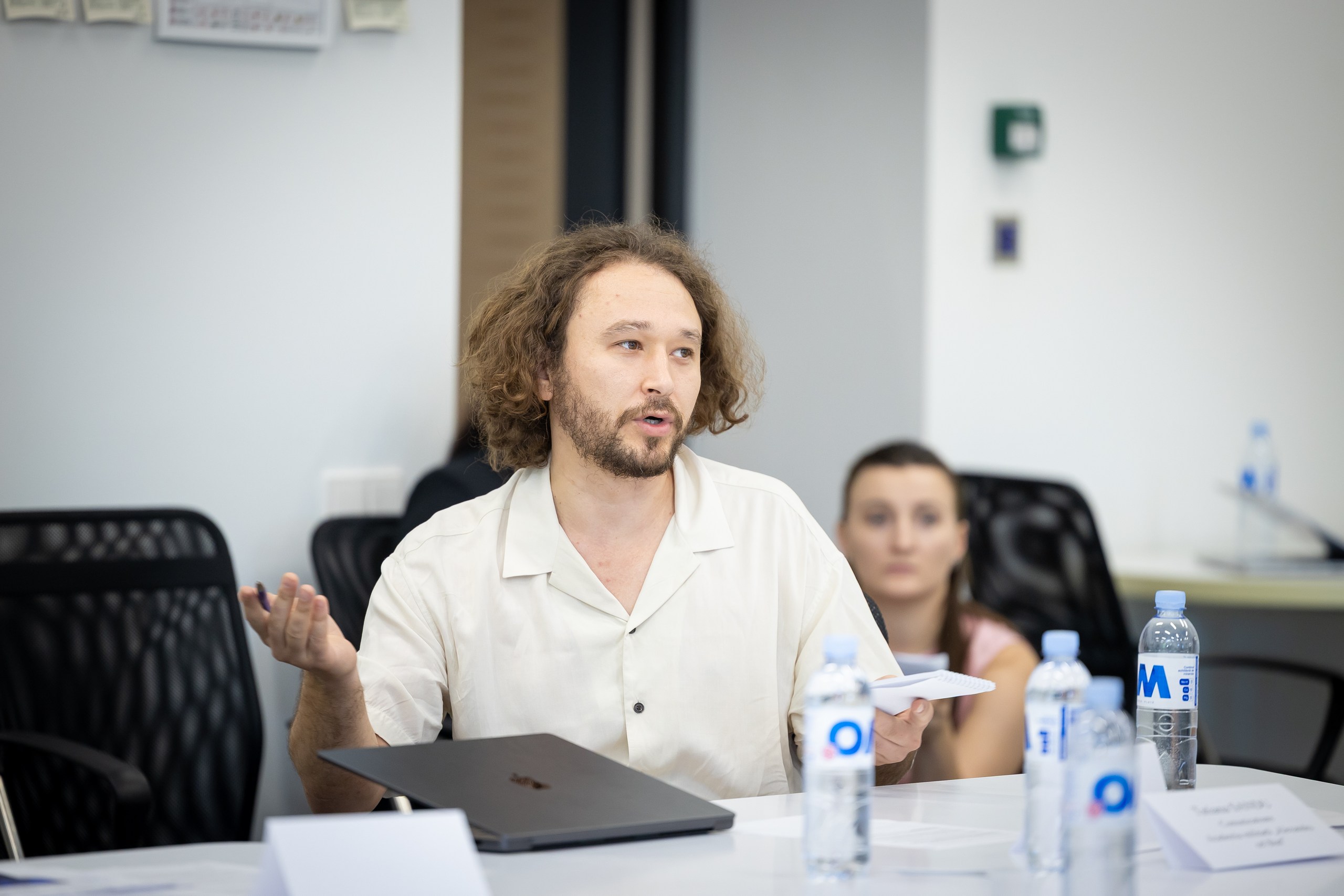
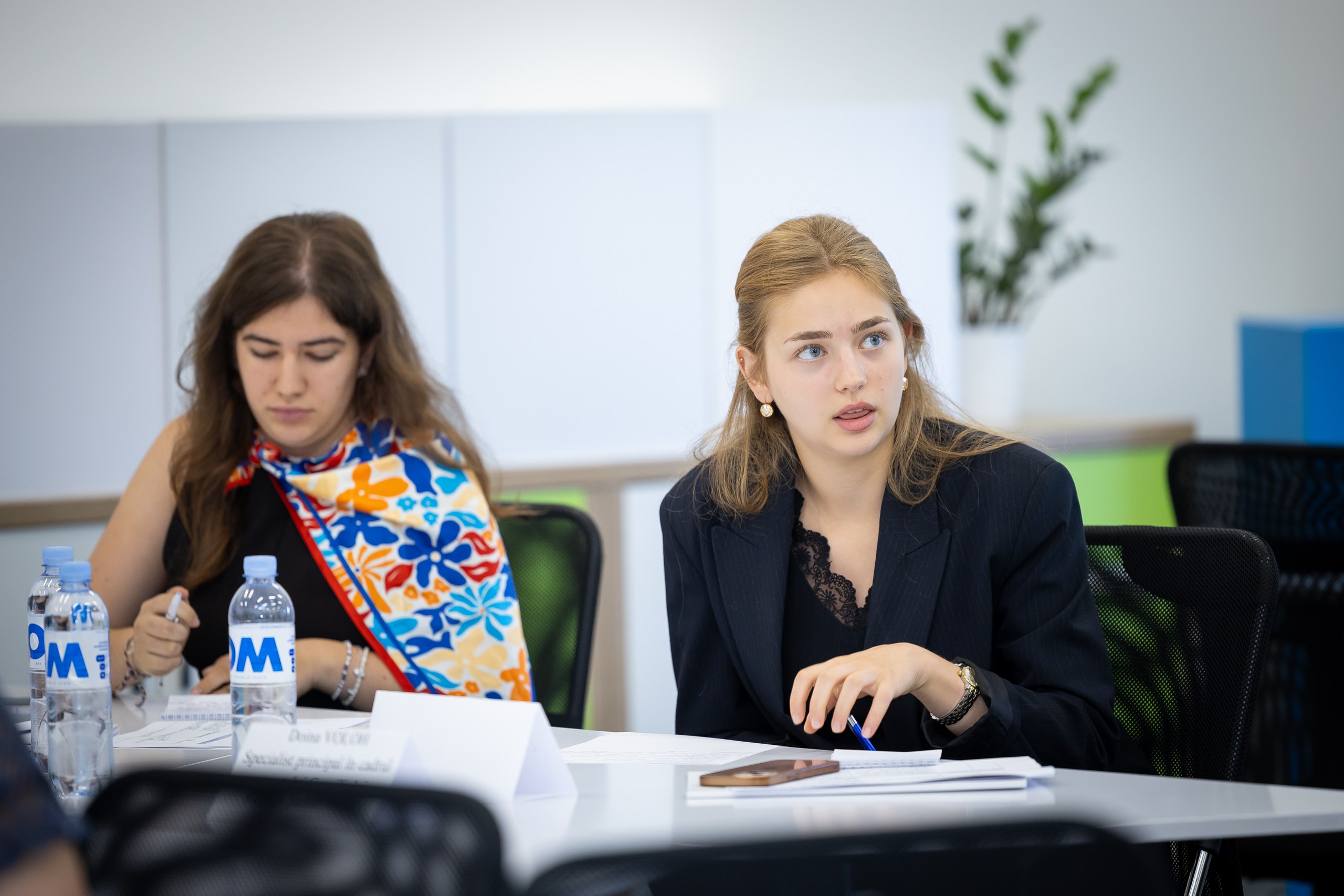
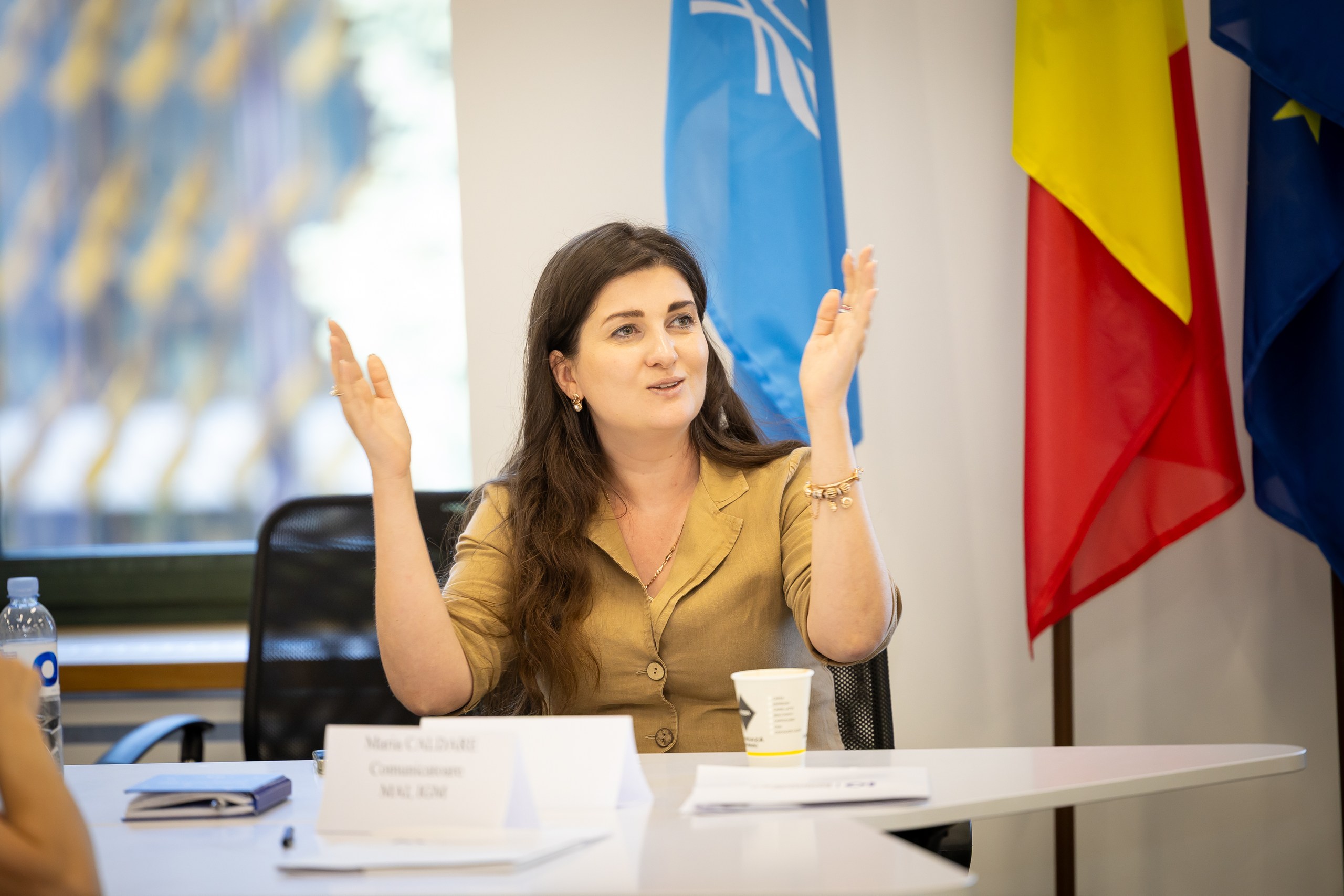
The workshop “Media on Women, Peace and Security (WPS) in the context of the Triple Nexus: The Case of Moldova”, organized by I4DD and GNWP, concluded today with a day dedicated to applying the WPS Agenda , the Triple Nexus, journalism in fragile contexts, modern digital tools, and media posts produced by participants.
Highlights of Day 2
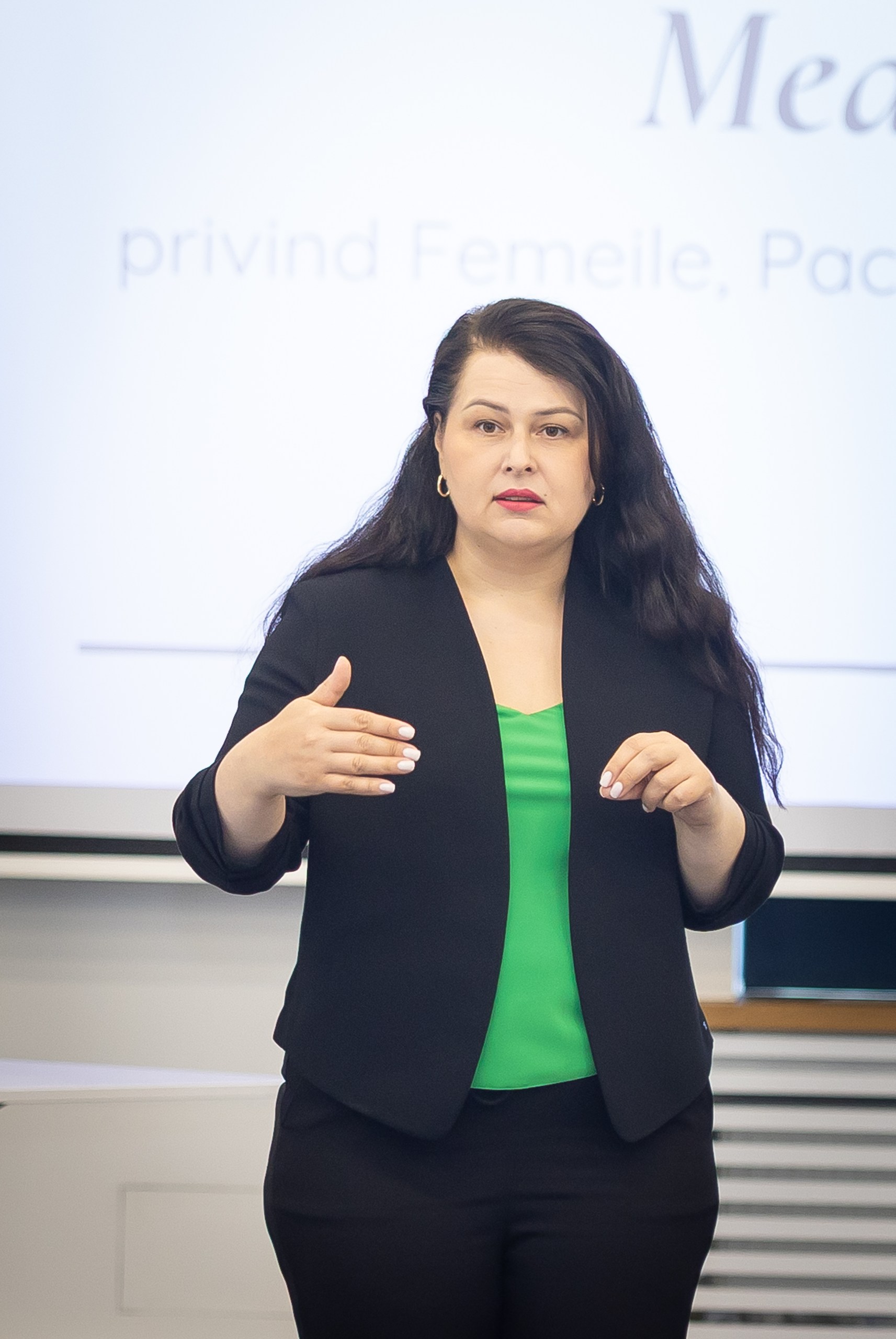
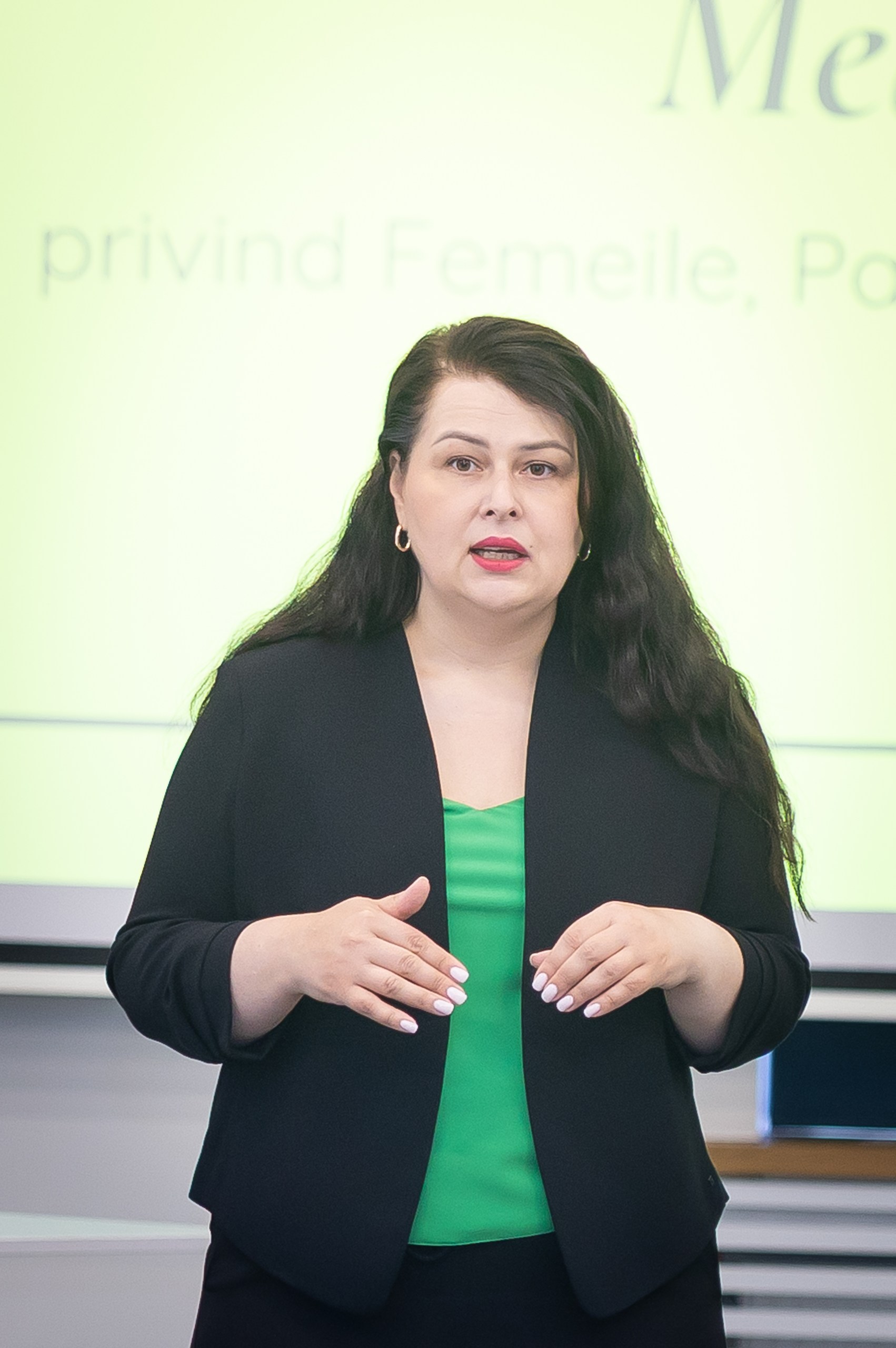
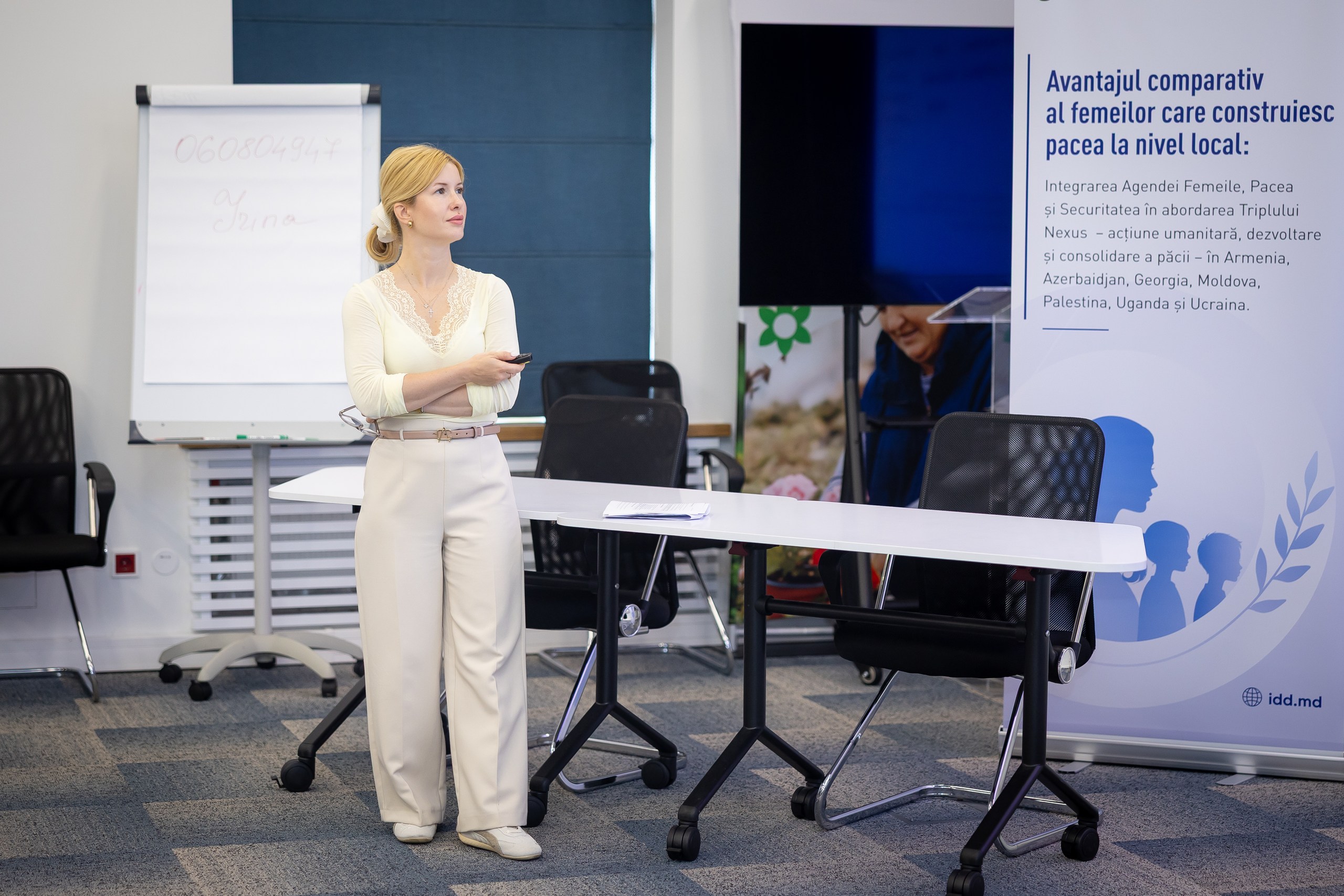
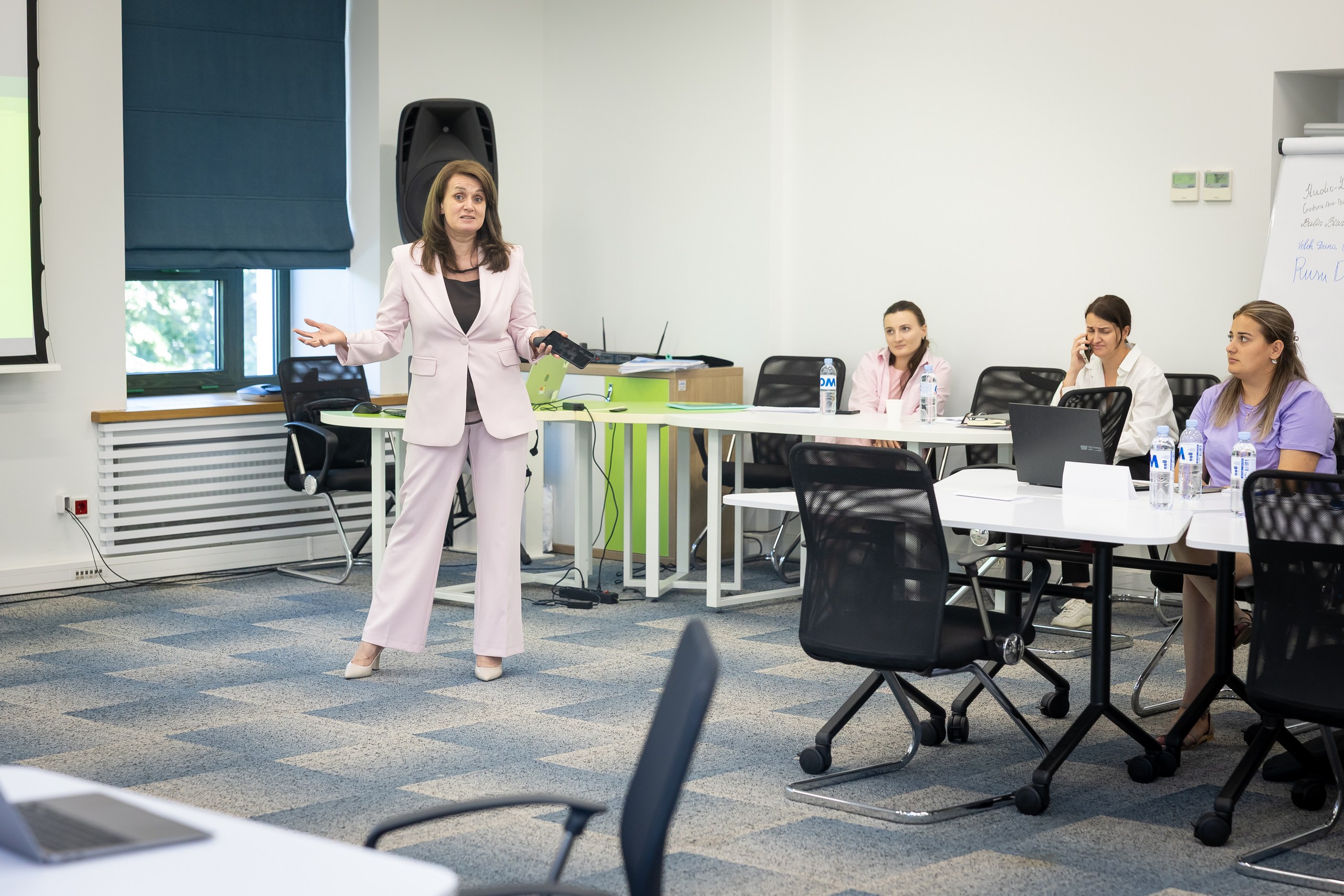
The day began with a session on the implementation of the Women, Peace and Security Agenda in the Republic of Moldova, delivered together with Cornelia Ursu, Head of the Secretariat of the National Action Plan 1325 within the Ministry of Internal Affairs. She presented UN Security Council Resolution 1325, related resolutions, and the National Action Plan 2023–2027, as well as the roles of the Government, local authorities and civil society in implementation.
„Aplicabilitatea Agendei Femeile, Pacea și Securitatea nu se aplică doar țărilor care se află în conflicte sau au conflicte nesoluționate. Modul cum comunicăm influențează percpeția publică, politicile publice, reducerea sau accentuarea percepțiilor sau prejudecăților „a menționat Cornelia Ursu, șefa Secretariatului PNA 1325, MAI.
Resilience does not mean the absence of crises, but the ability of people to be in solidarity. Crises show that sometimes work is done in a fragmented manner, which distributes decision-making power differently.
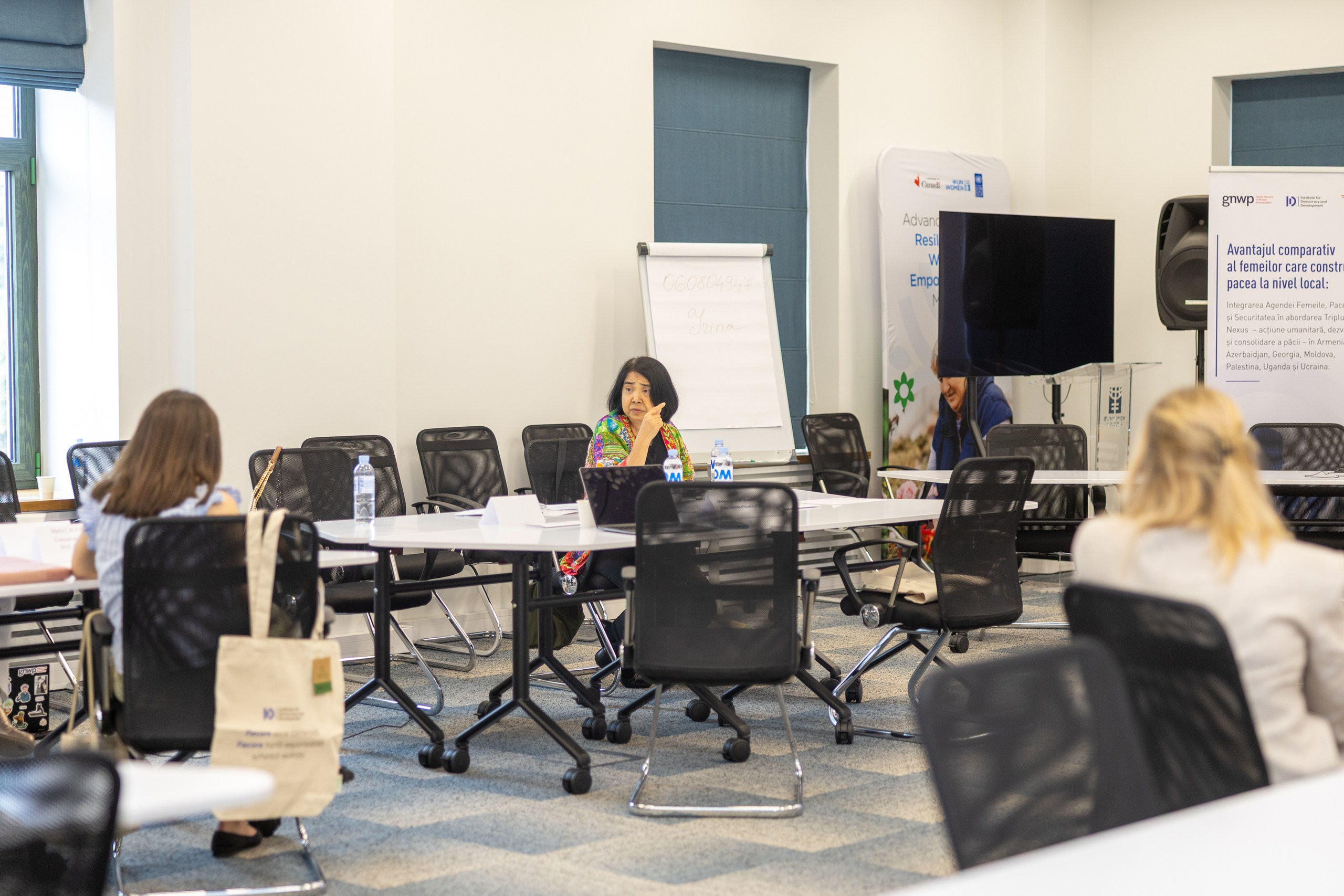
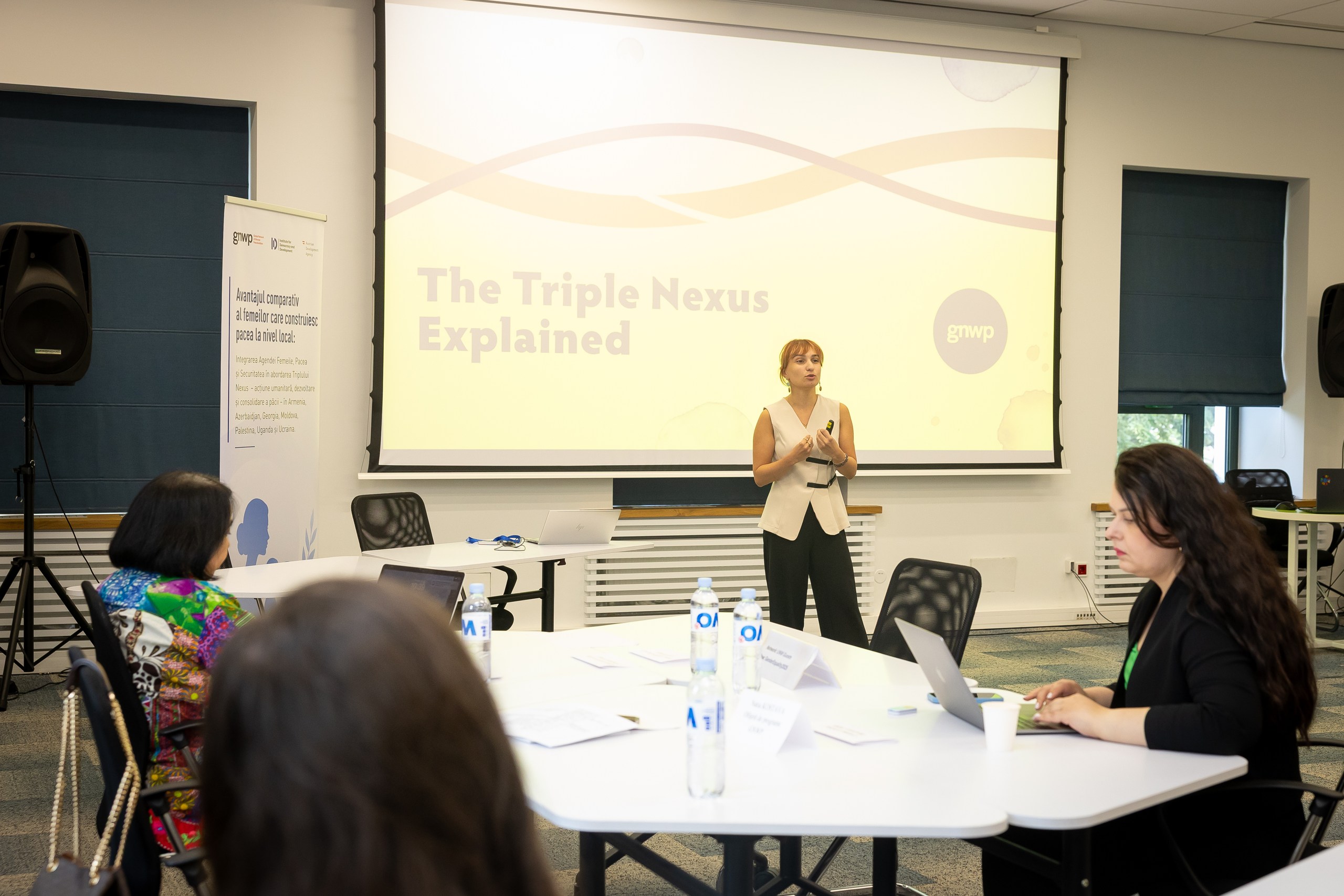
Natia Kostava, GNWP Senior Program Coordinator for Central Asia, Eastern Europe and the South Caucasus, explained the concept of the Triple Nexus – the link between humanitarian action, development and peace – and the role of social media in promoting the WPS Agenda, based on experiences from other countries.
„Astăzi crizele nu se întîmplă izolare, dar au nevoie de răspunsuri. Triplu Nexus ne reamintește că acțiunea umanitară, dezvoltarea, consolidarea păcii și jurnalismul responsabil devin mai puternice cînd sunt îmbinate împreună. Jurnaliștii au puterea de a merge dincolo de raportarea evenimentelor individuale a istoriilor despre crize – or despre cauze, imapctul uman și soluțiile pe care le urmează. Prin conectarea imediată a nevoilor cu soluții pe termen lung, mass-media poate ajuta ca audiența să înțeleagă nu doar ceea ce s-a întîmplat, dar și subiecte ce poate fi de făcut pentru a construi comunități reziliente”, a subliniat Natia Kostava, GNWP.
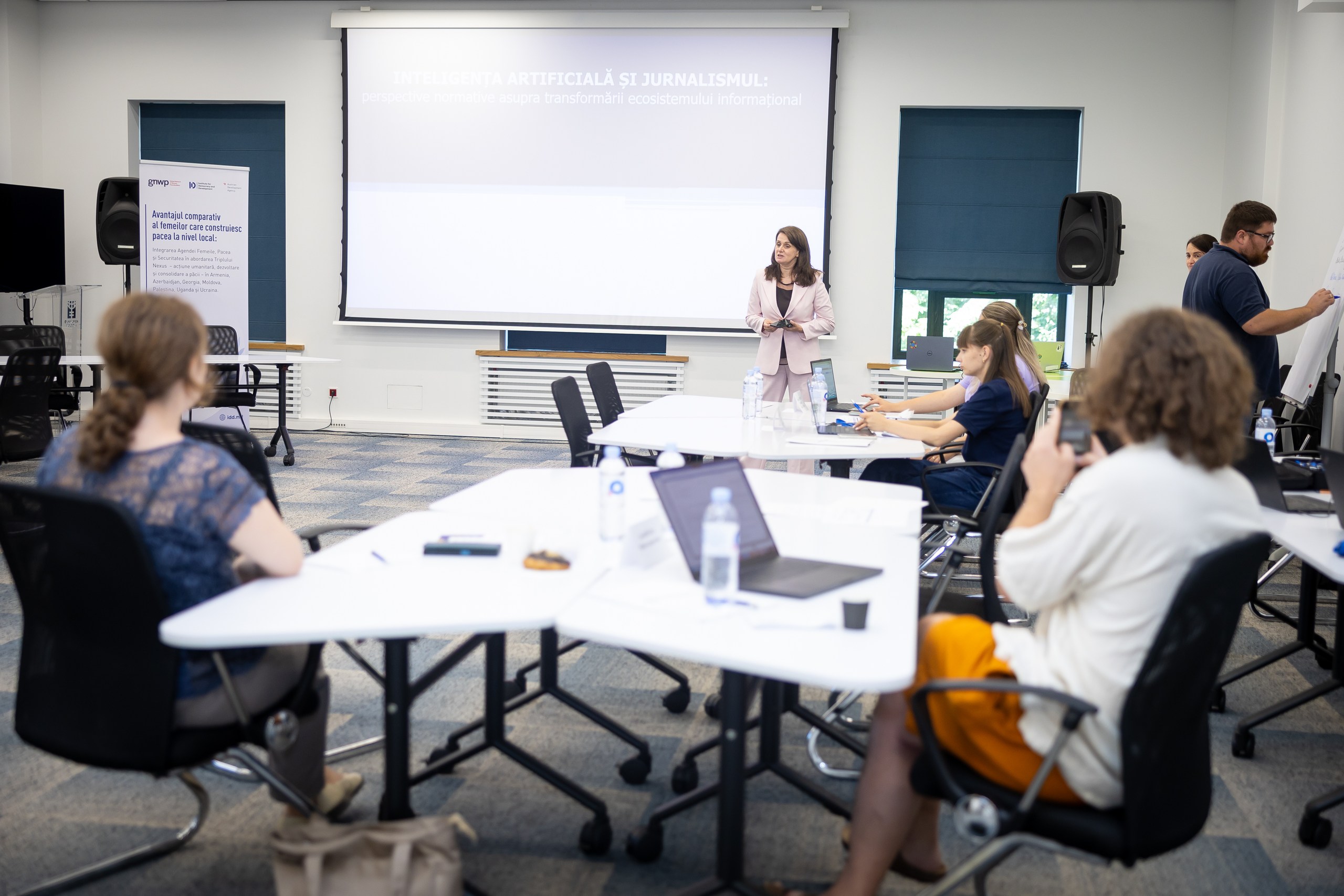
The session dedicated to artificial intelligence in journalism, facilitated by Viorica Țîcu, representative of “Women in Cyber”, addressed the opportunities and ethical risks of AI in news production – from automation and information verification to preventing disinformation.
Viorica Țîcu a subliniat că „amprenta digitală în mediul online- rămîne mereu. Codul de etică pentru jurnaliști este important pentru industria mediei. Responsabilitatea editorială nu poate fi delegată algoritmelor”.
Cristina Lesnic, Director of I4DD, led the session on reporting in fragile and conflict-affected areas, focusing on safety, ethics, the “Do No Harm” principle, and trauma-informed reporting.
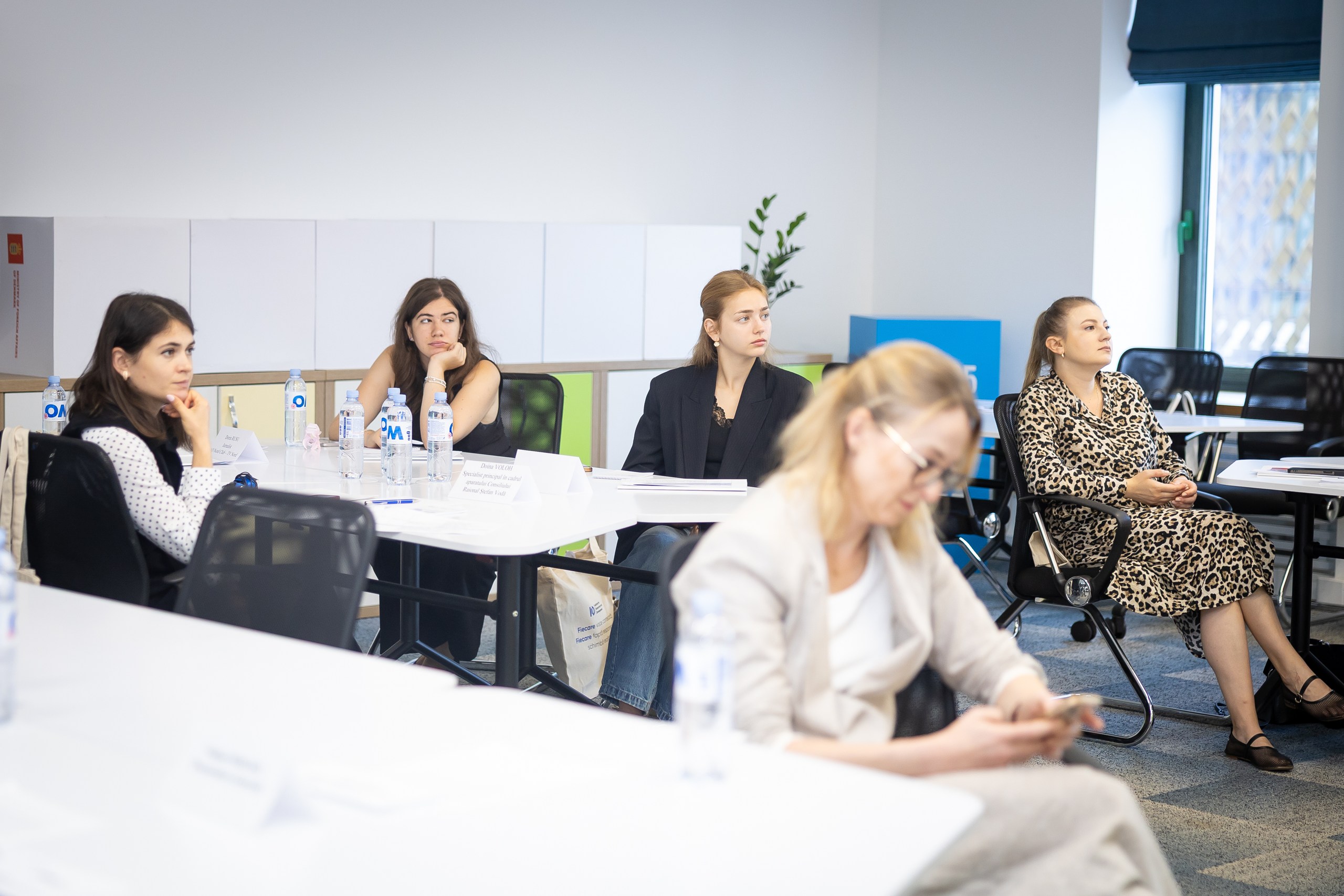
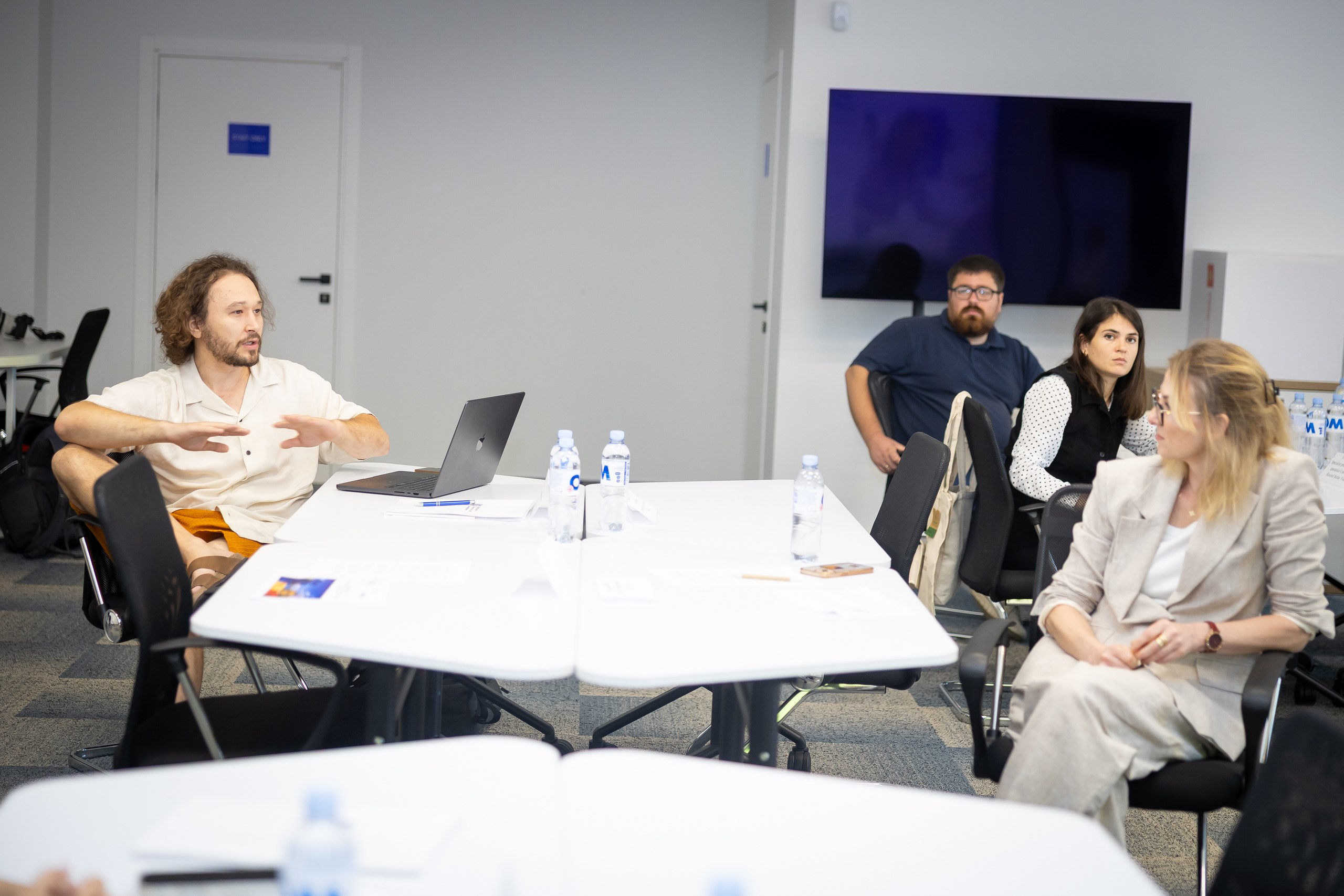
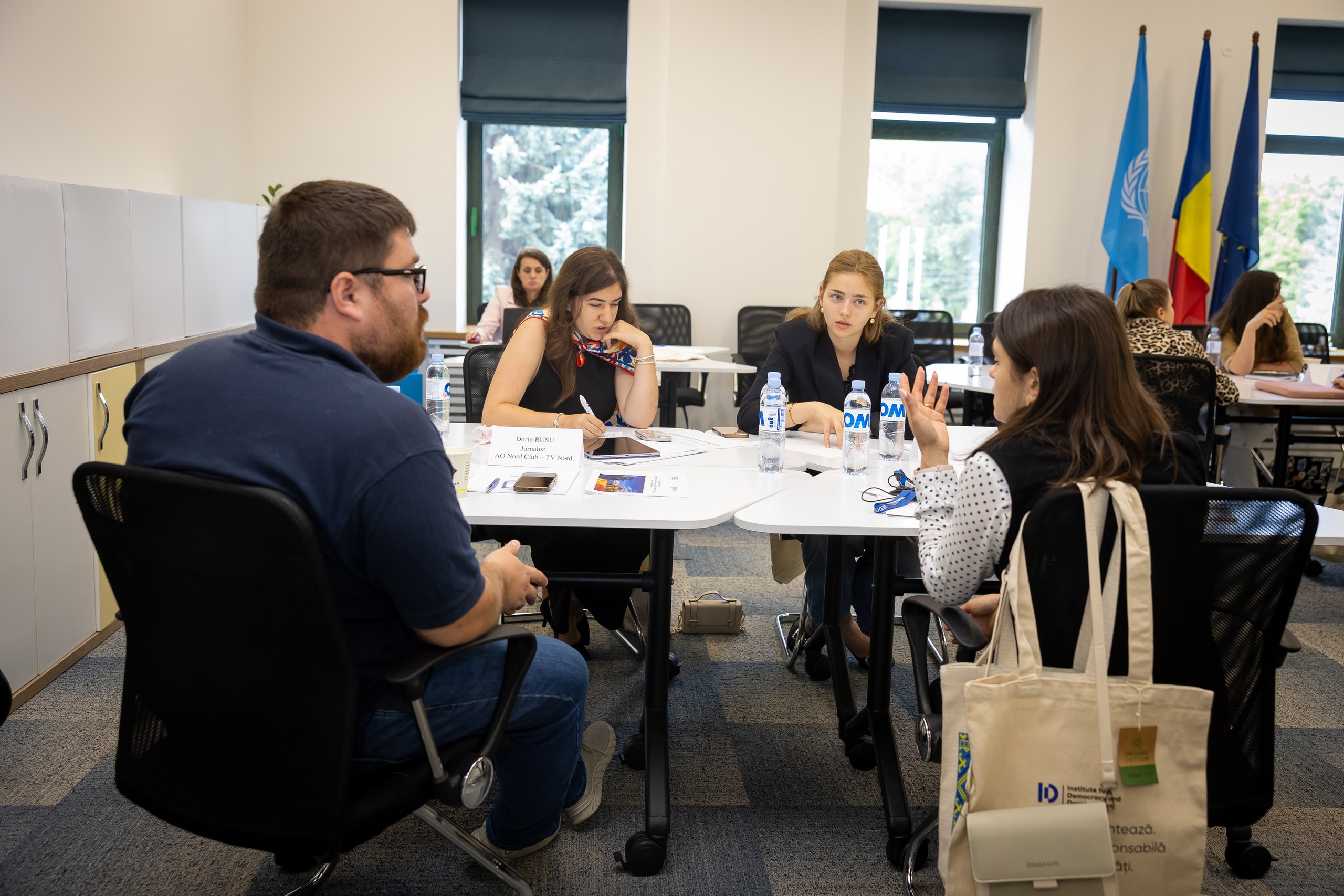
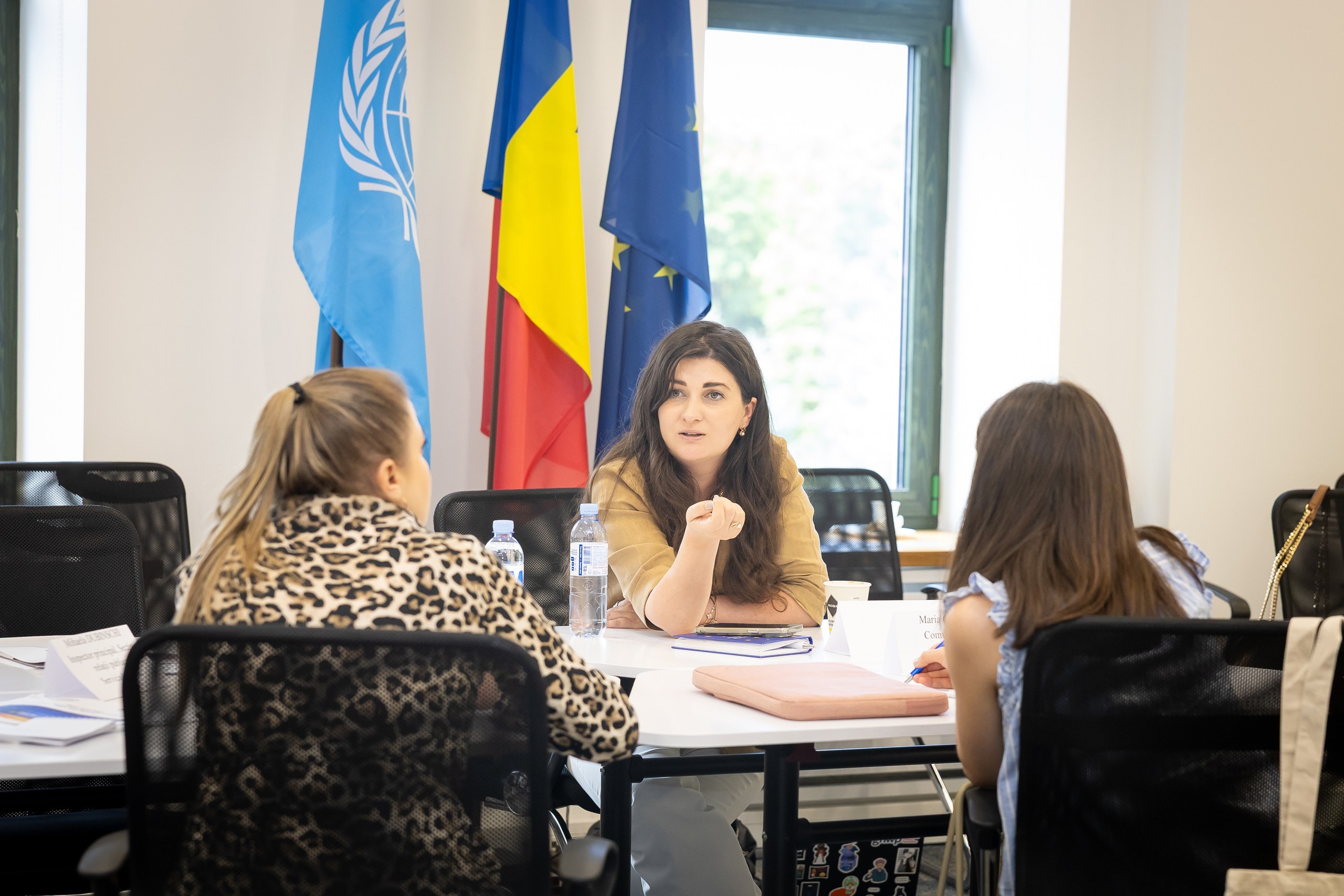
In the practical segment, participants developed, in groups, articles and social media messages promoting UN Security Council Resolutions 1325 and 1820 in the Republic of Moldova.
Workshop results
Following the two days of training, media professionals and communicators now have strengthened skills to produce gender- and conflict-sensitive content, prevent disinformation, and support, through editorial work, the implementation of the Women, Peace and Security Agenda within the Triple Nexus.
Participants were guided to use gender-sensitive language, producing approximately over 15 media products (various formats). This contributes to amplifying the voices of communities on the ground and implementing institutions, ensuring that those affected have an active role in the narrative.
 English
  Romanian