Chișinău, 22 July 2026
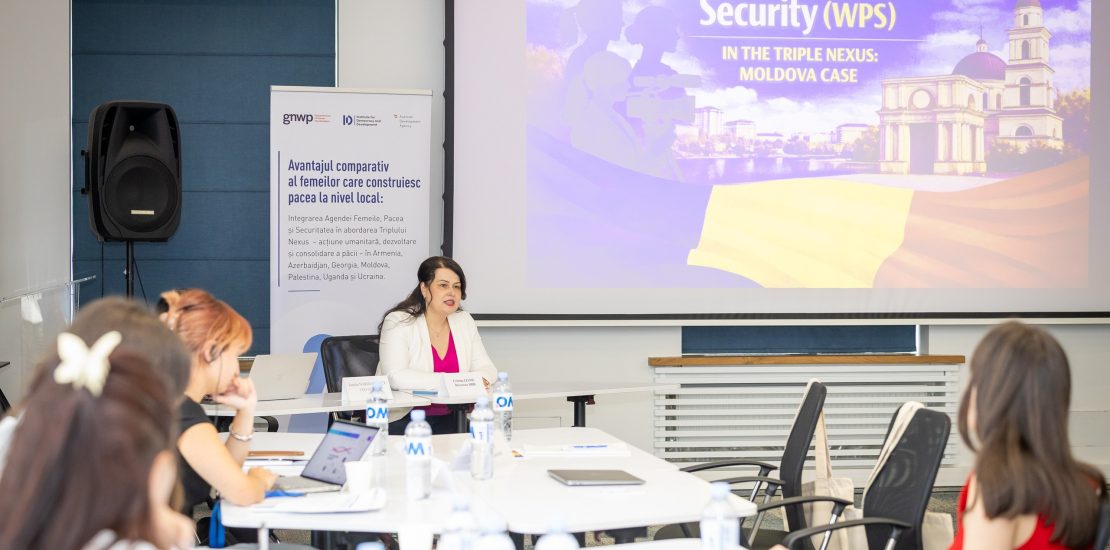
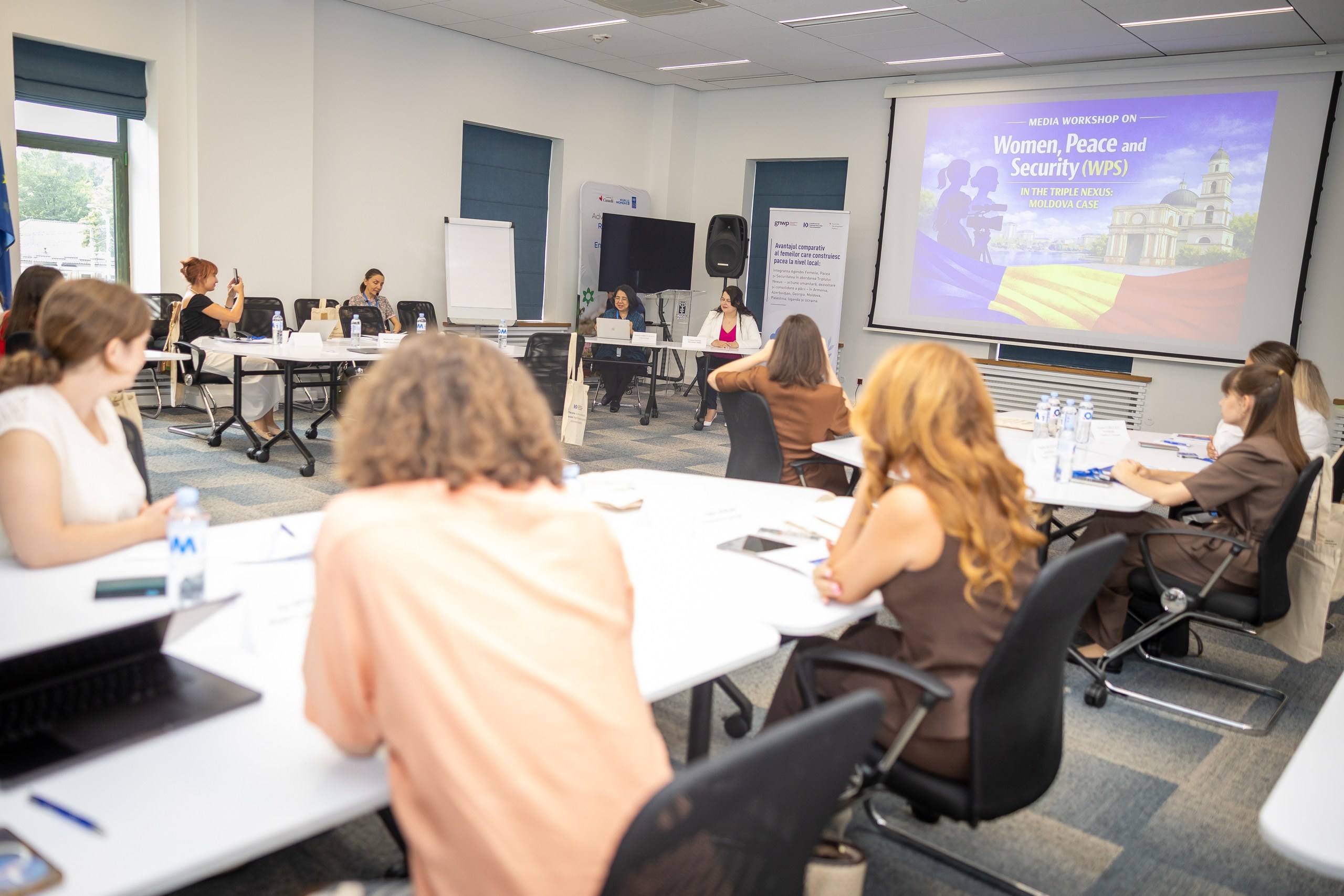
The Institute for Democracy and Development (I4DD), in partnership with the Global Network of Women Peacebuilders (GNWP), launched today 22 July 2026, the training workshop “Media on Women, Peace and Security (WPS) in the context of the Triple Nexus: The Case of Moldova”, held on 22–23 July 2026.
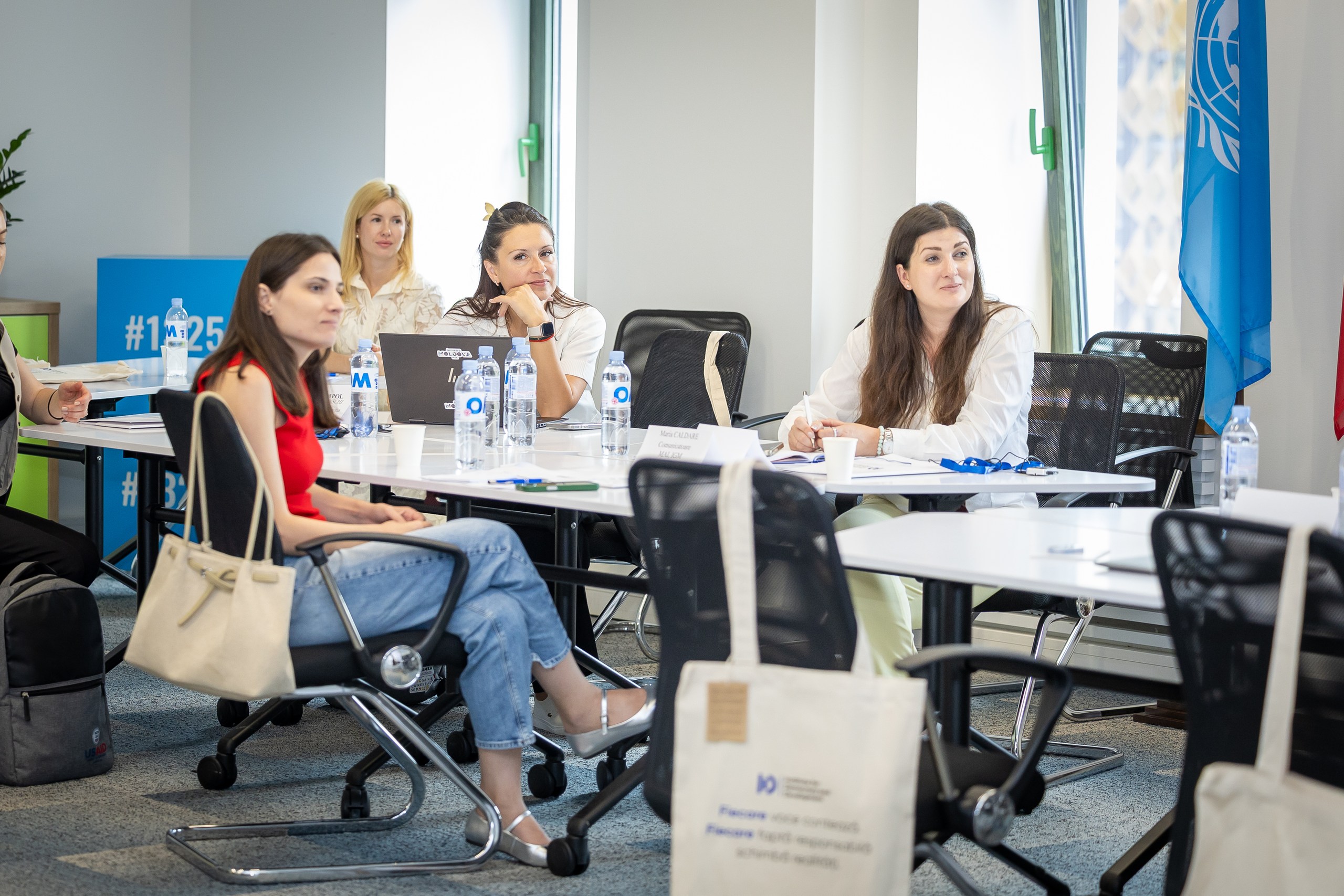
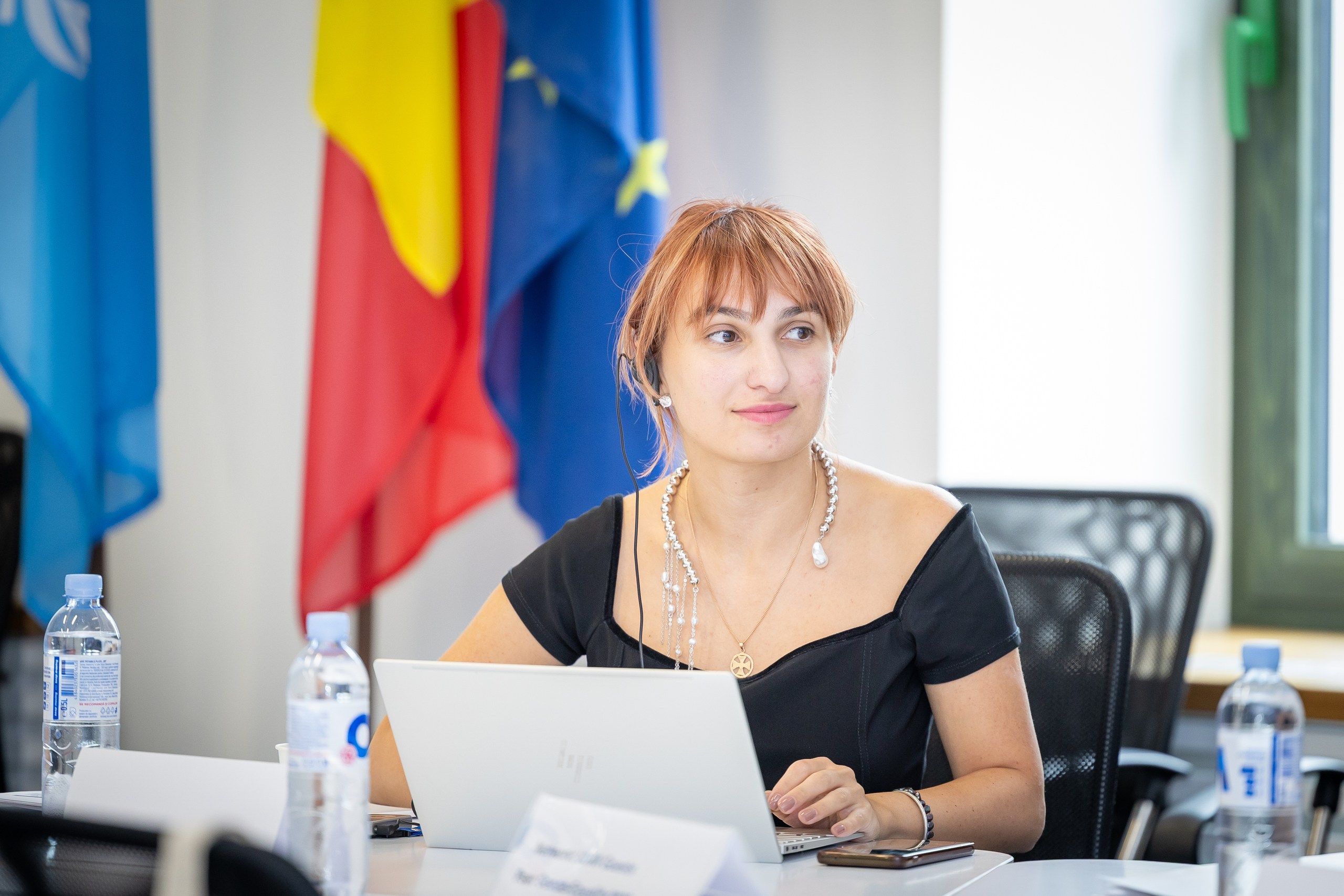
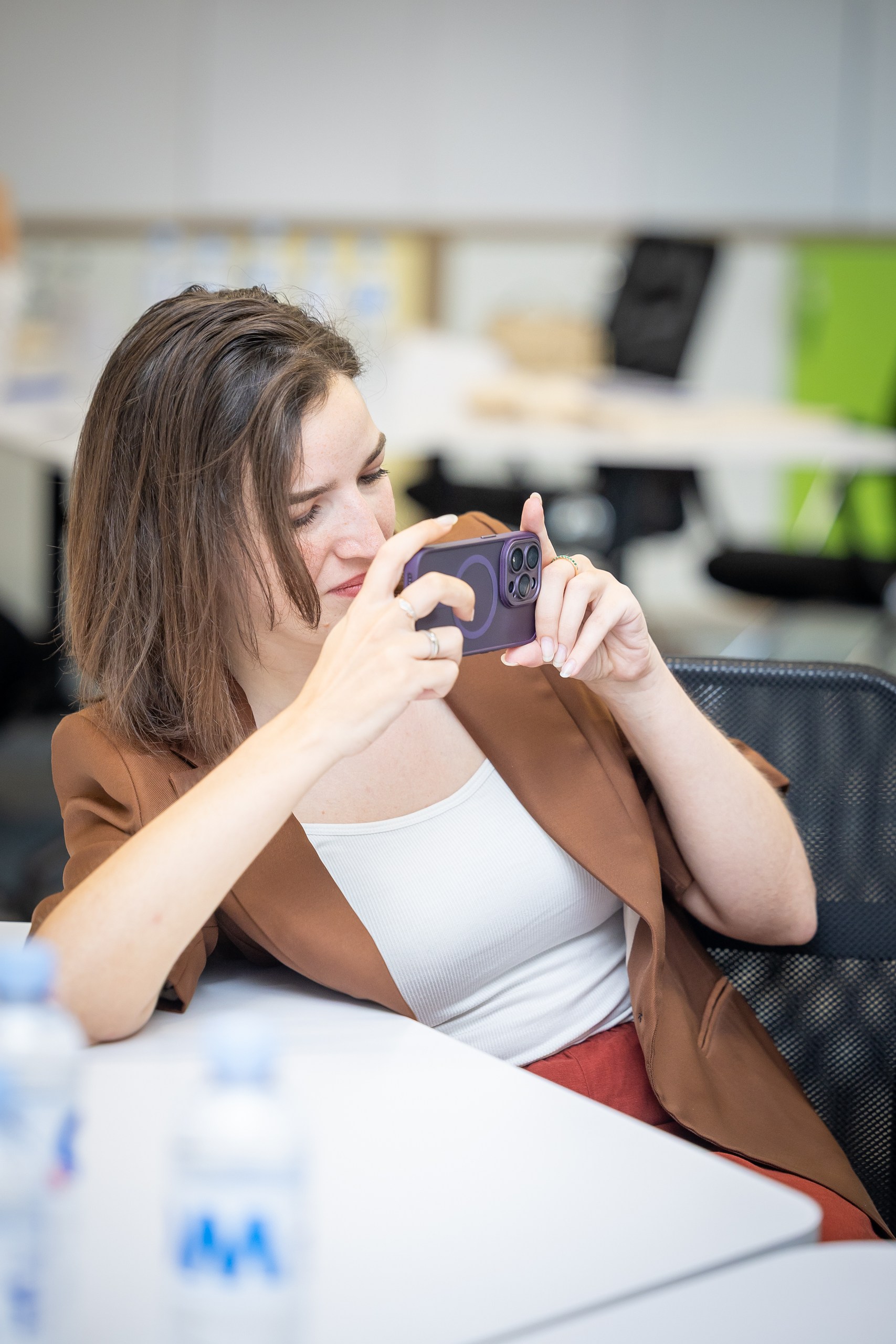
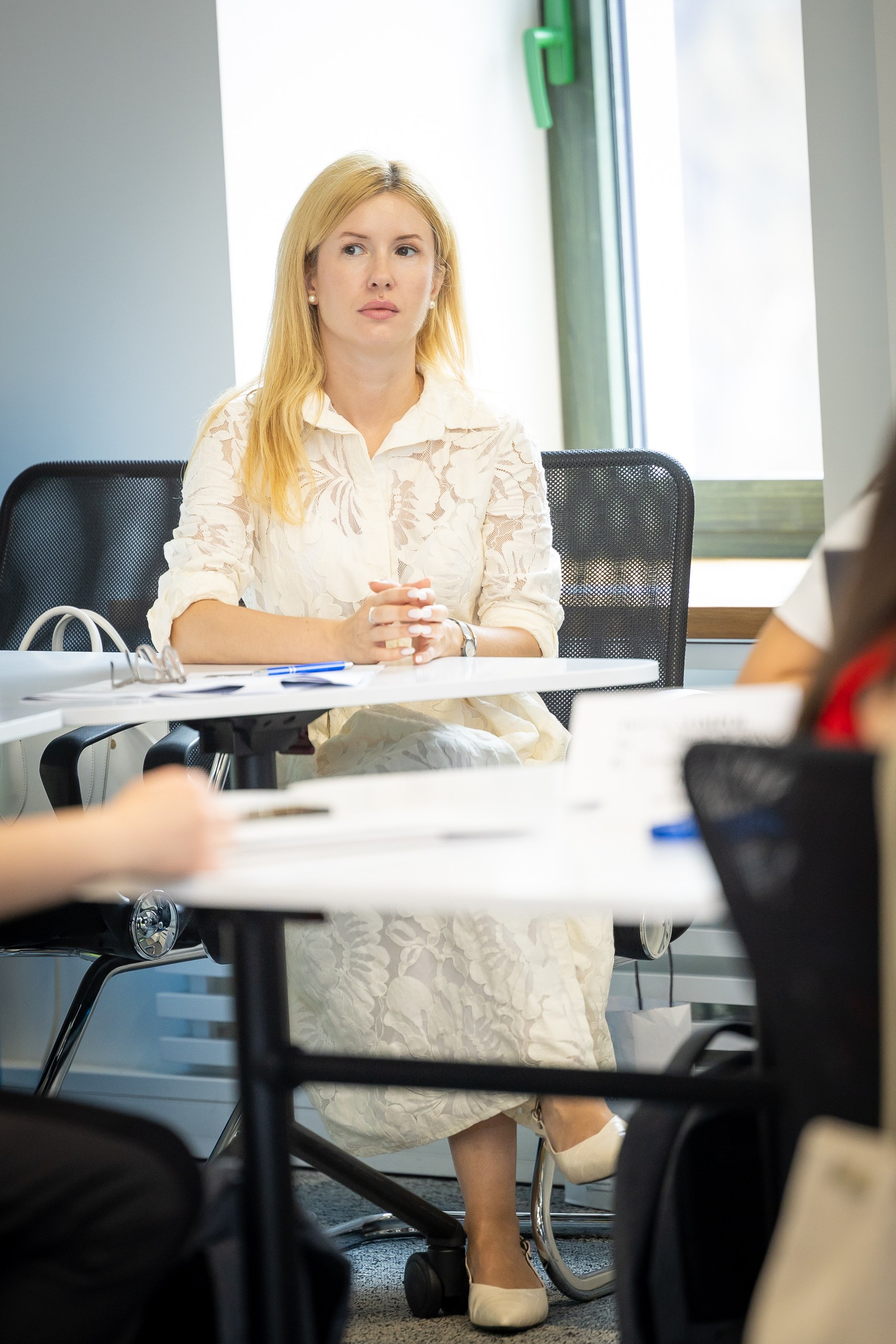
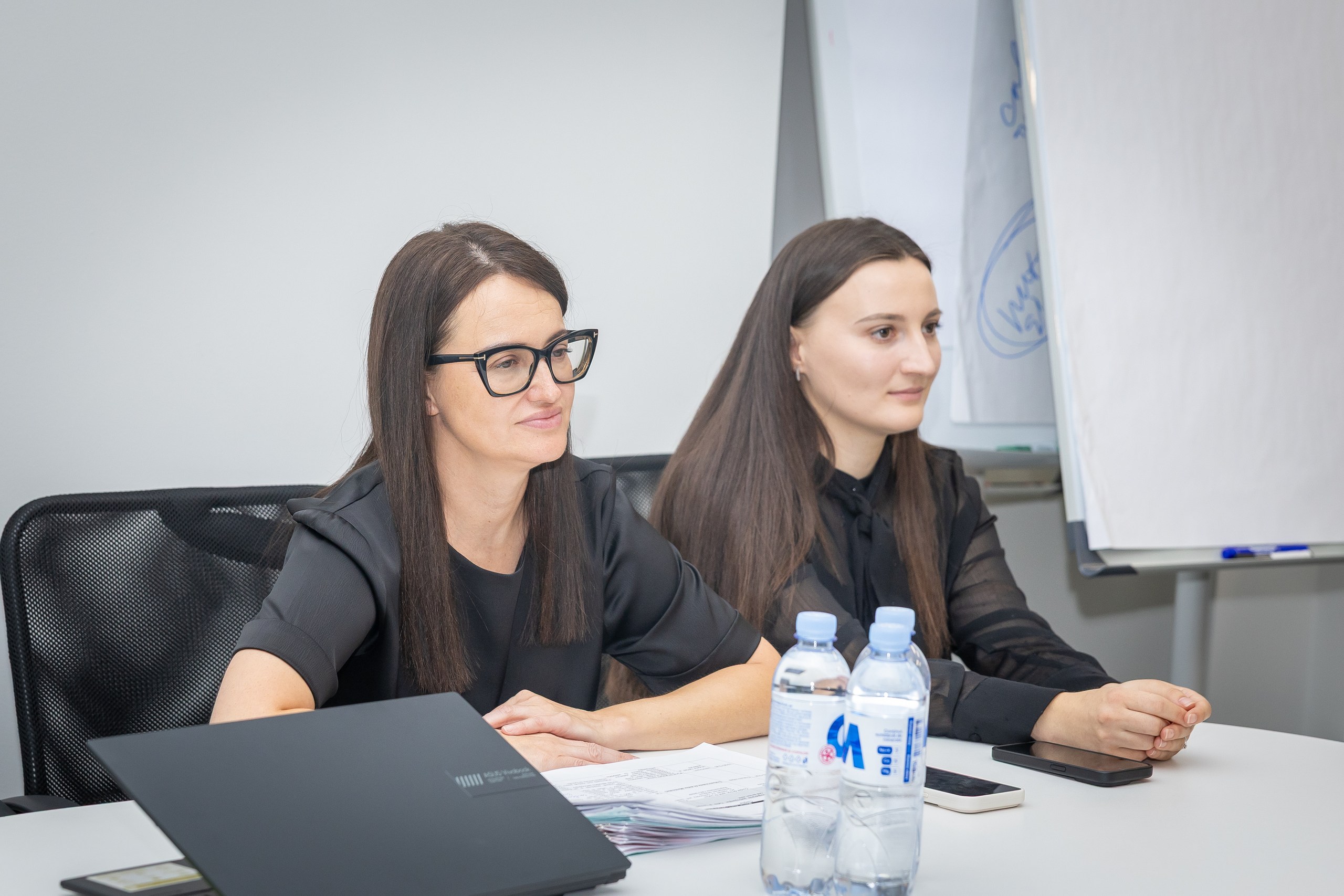
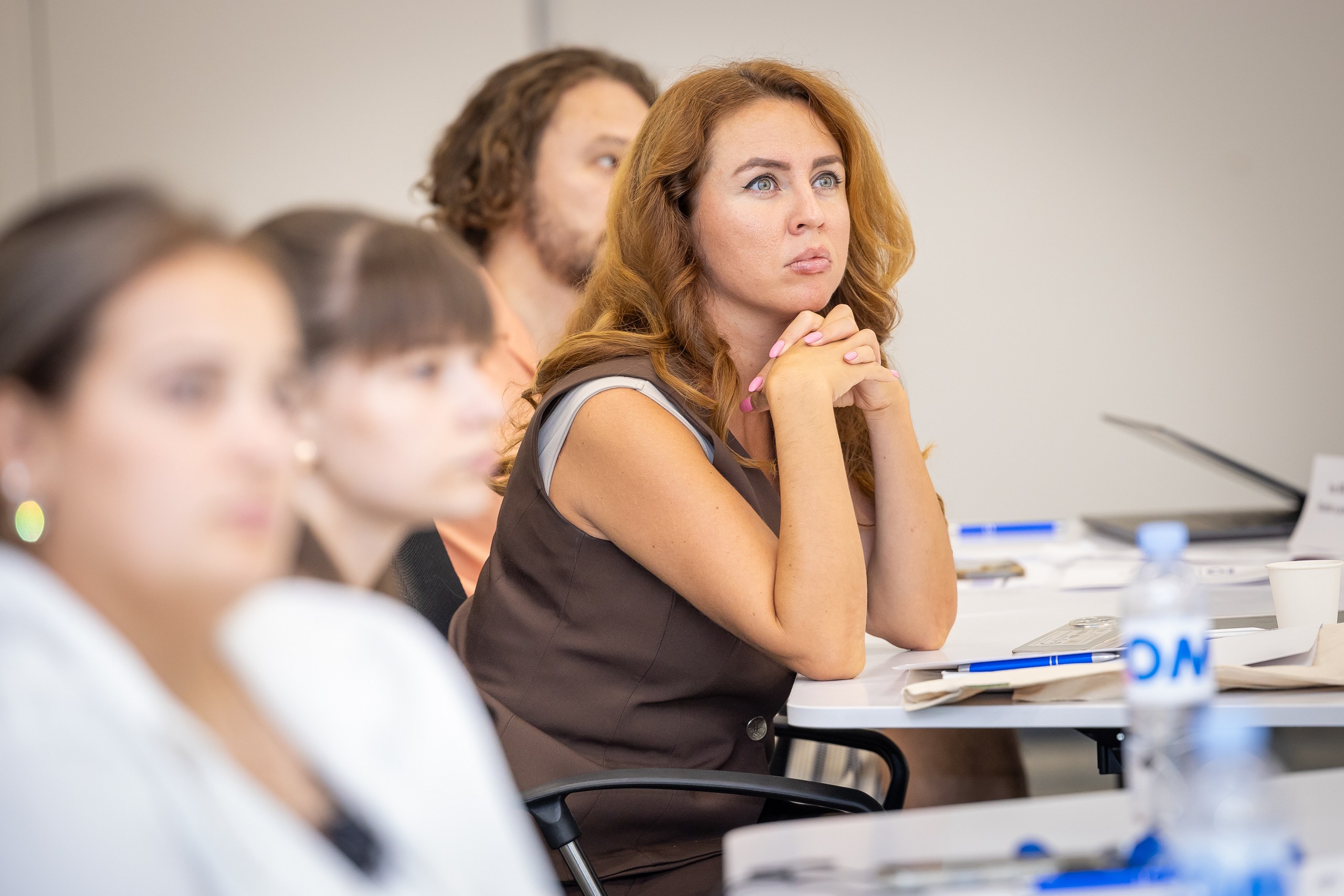
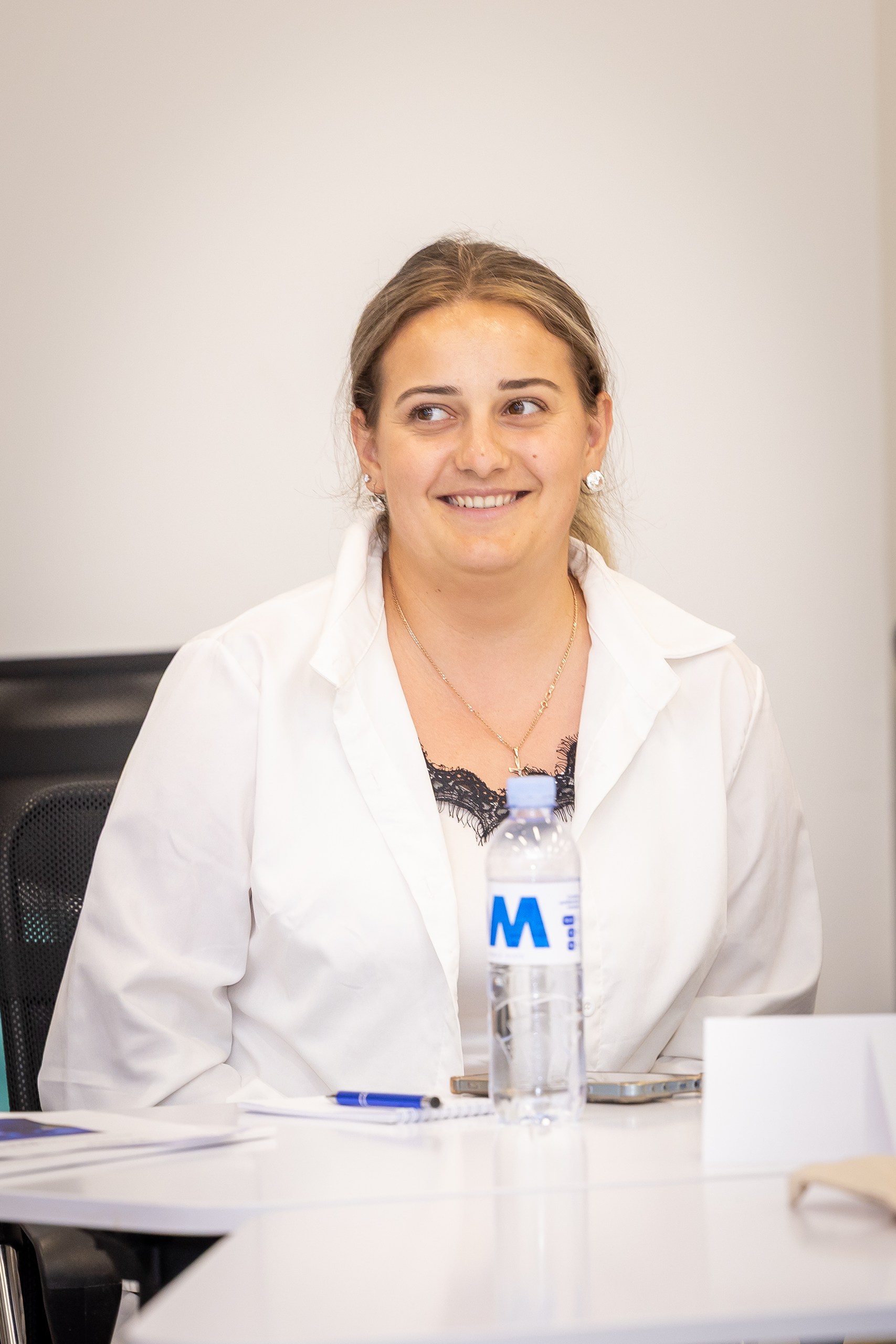
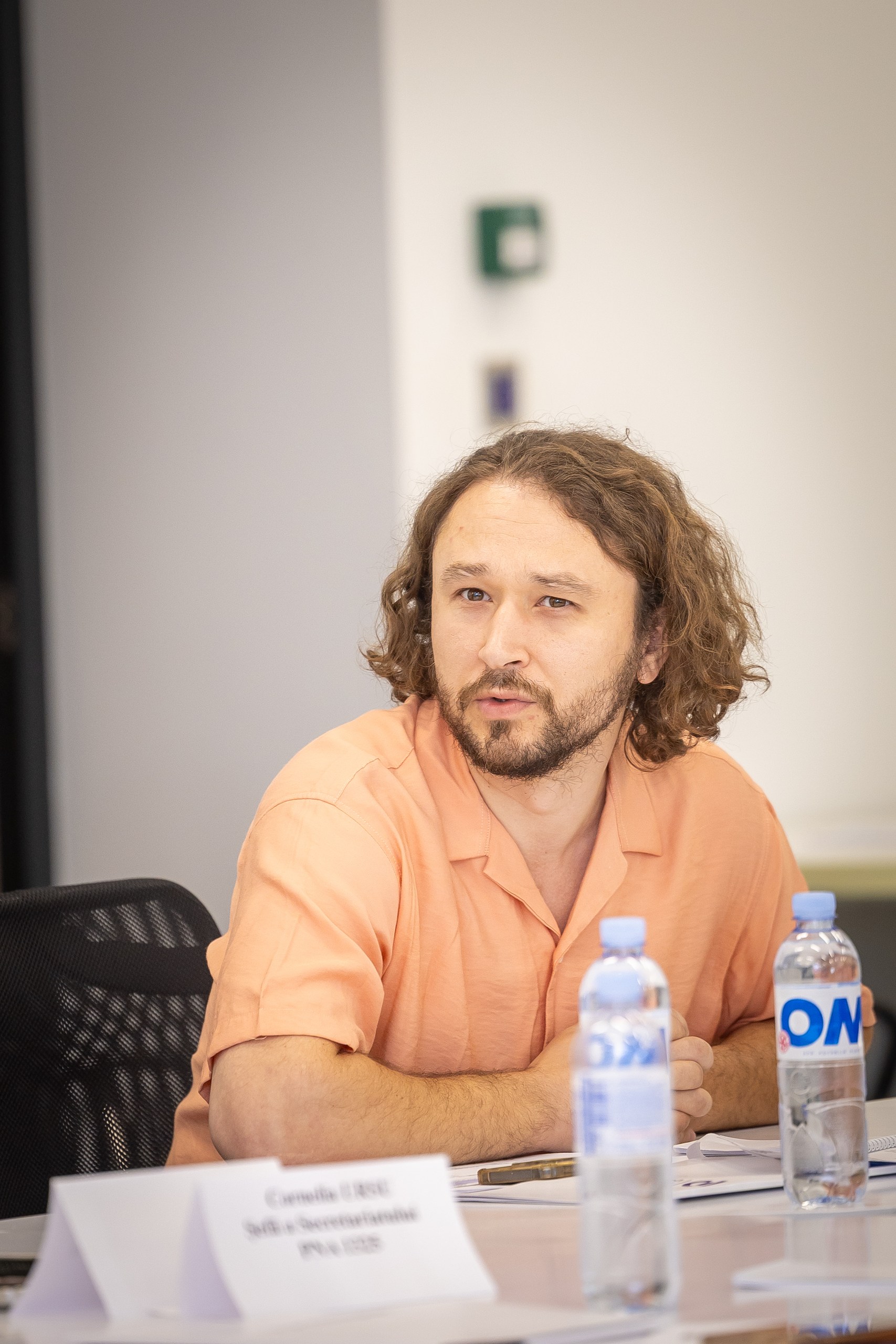
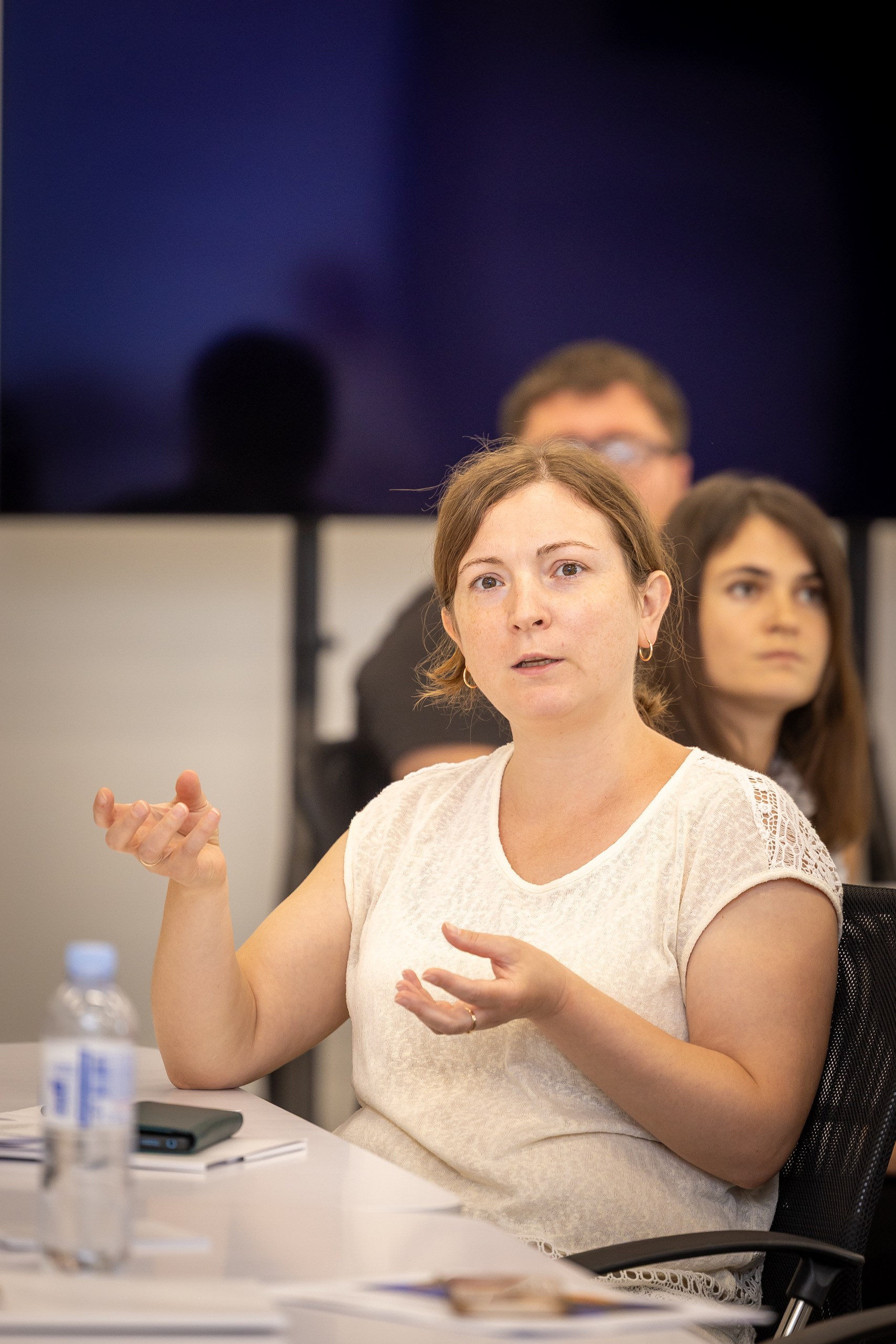
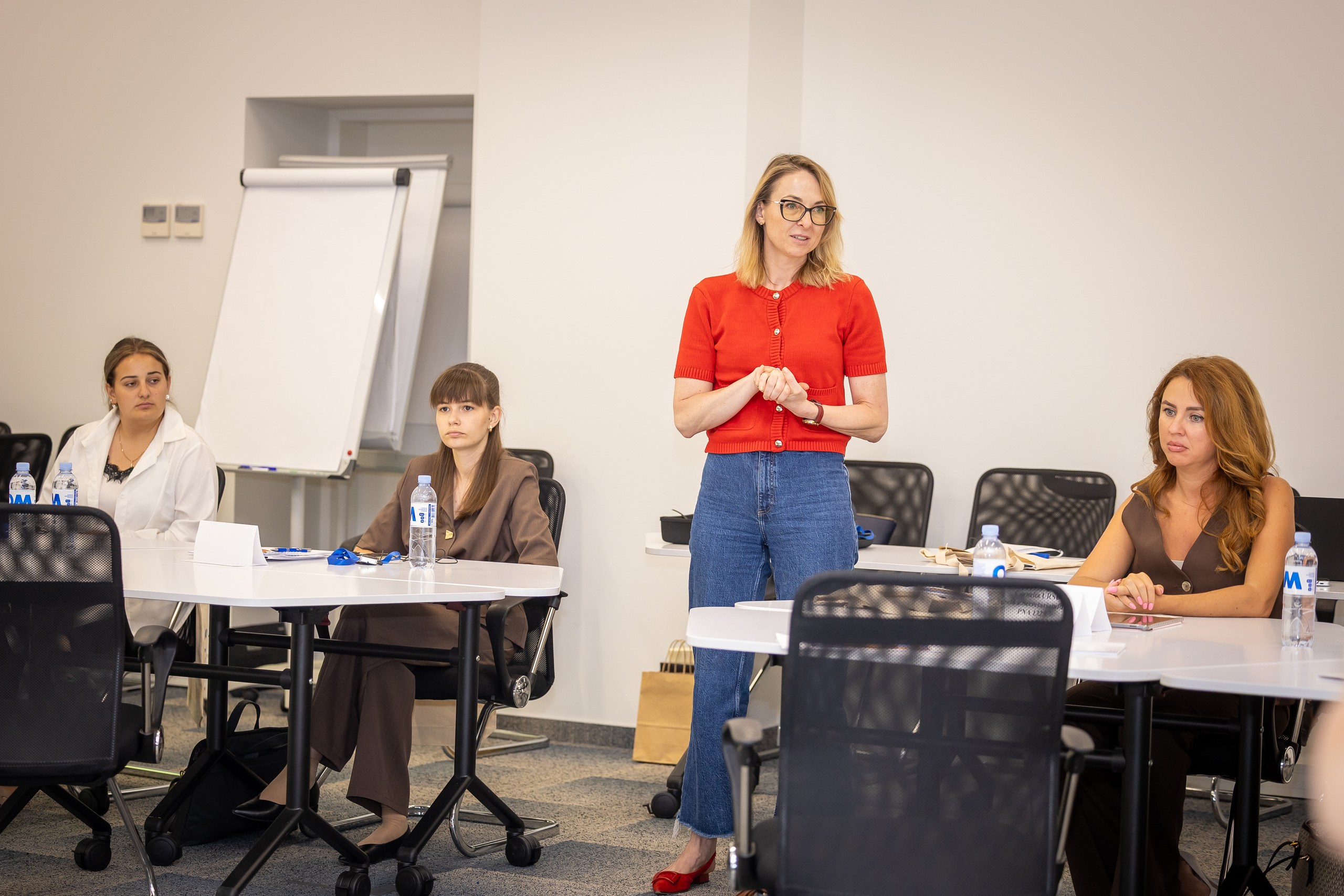
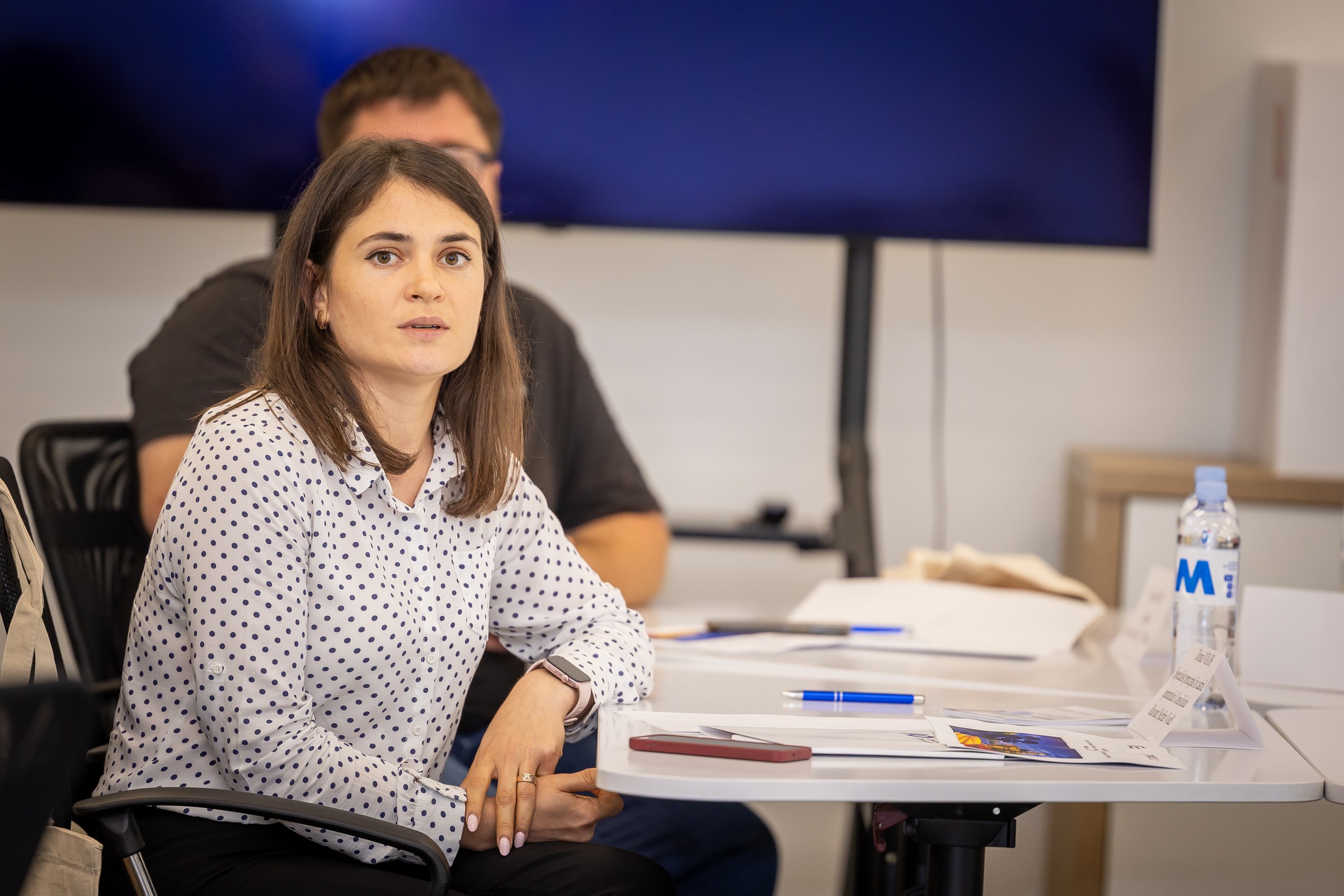
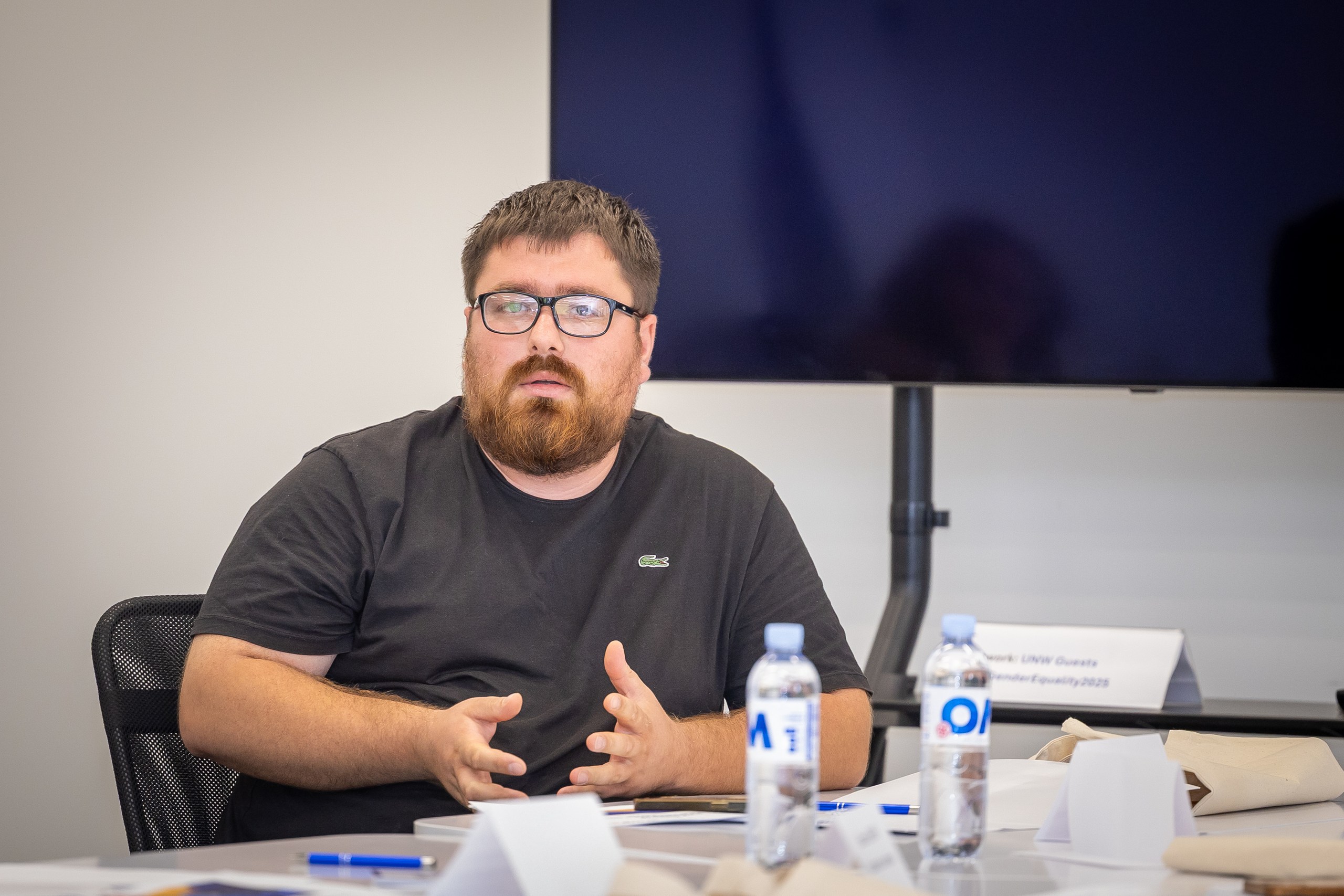
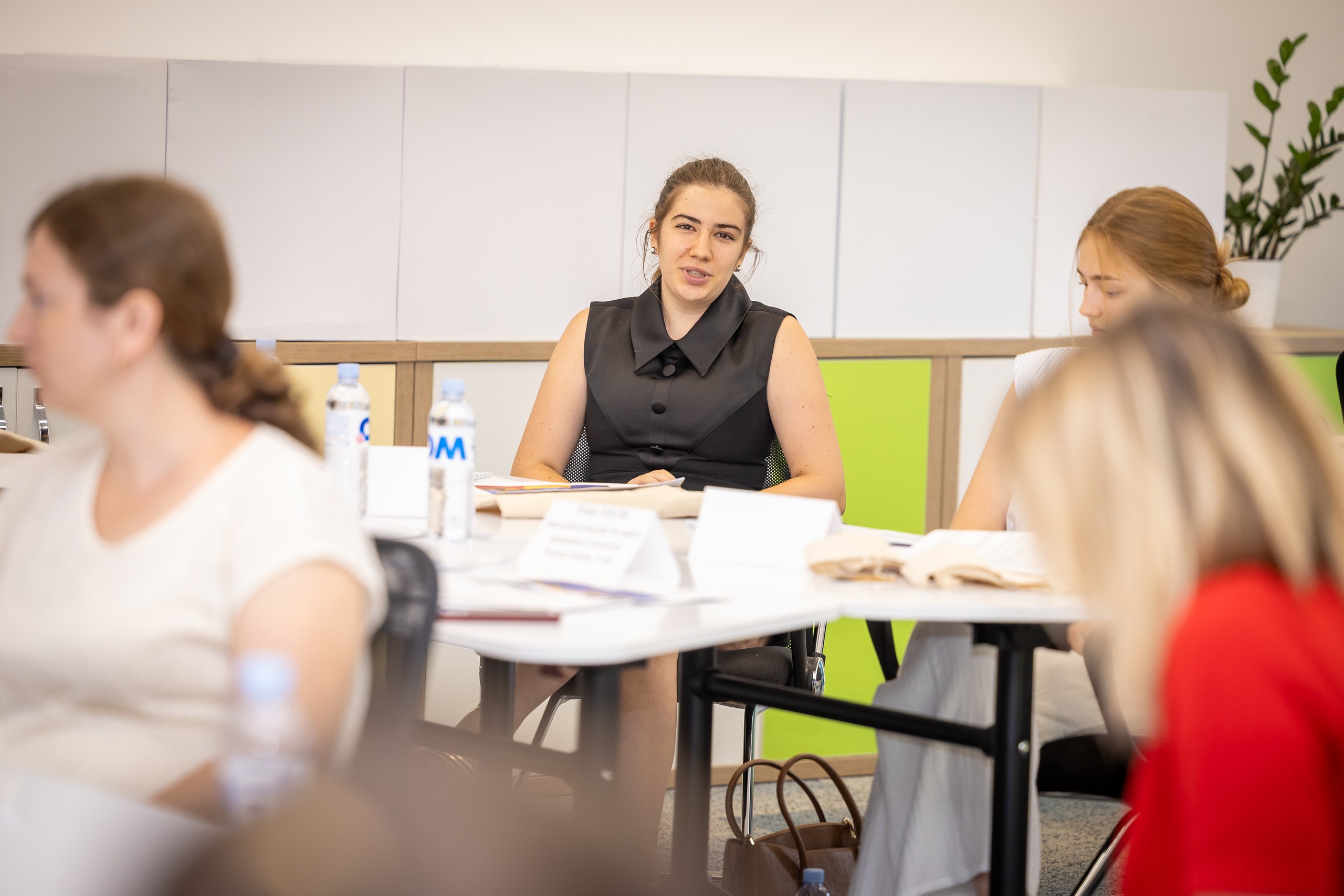
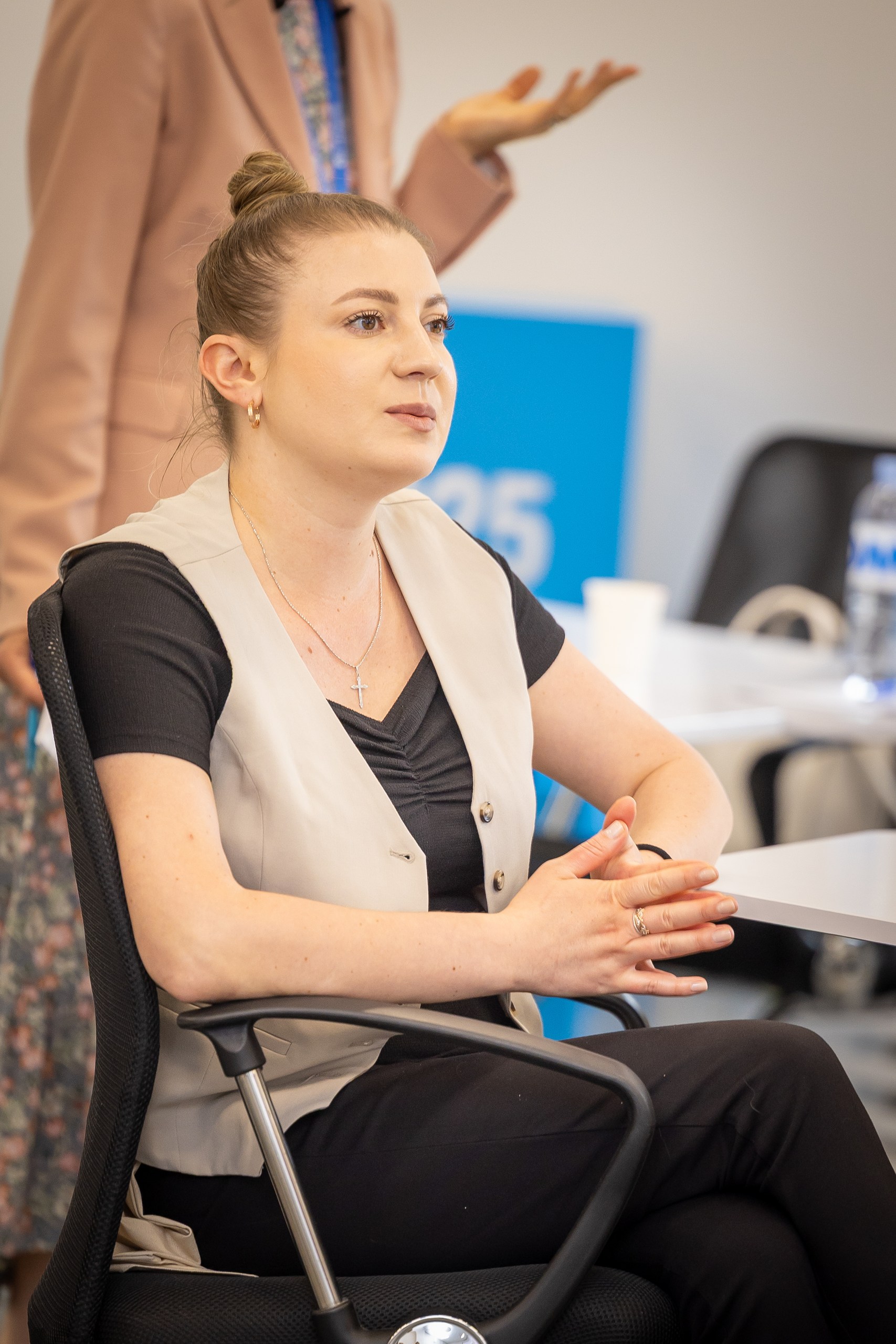
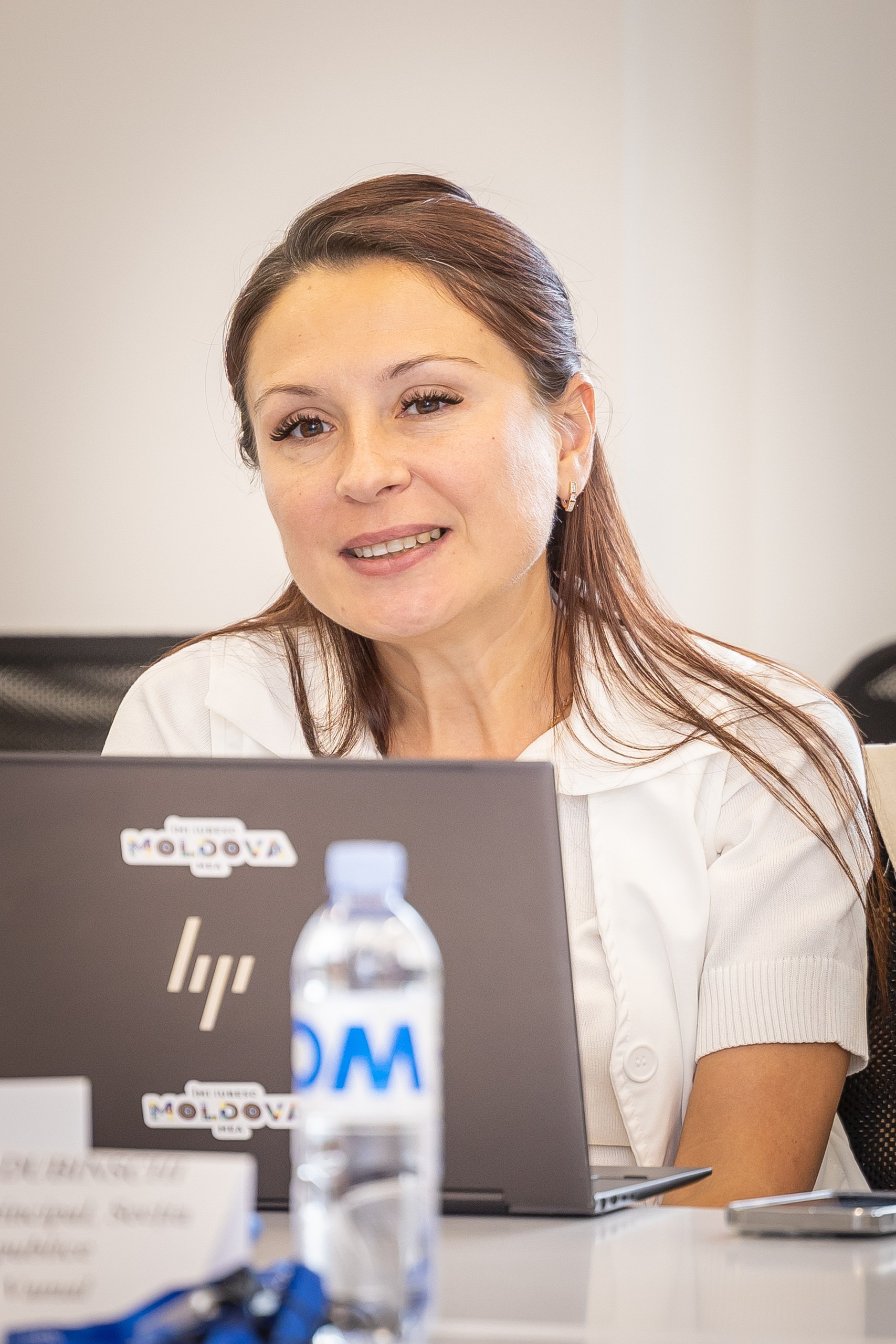
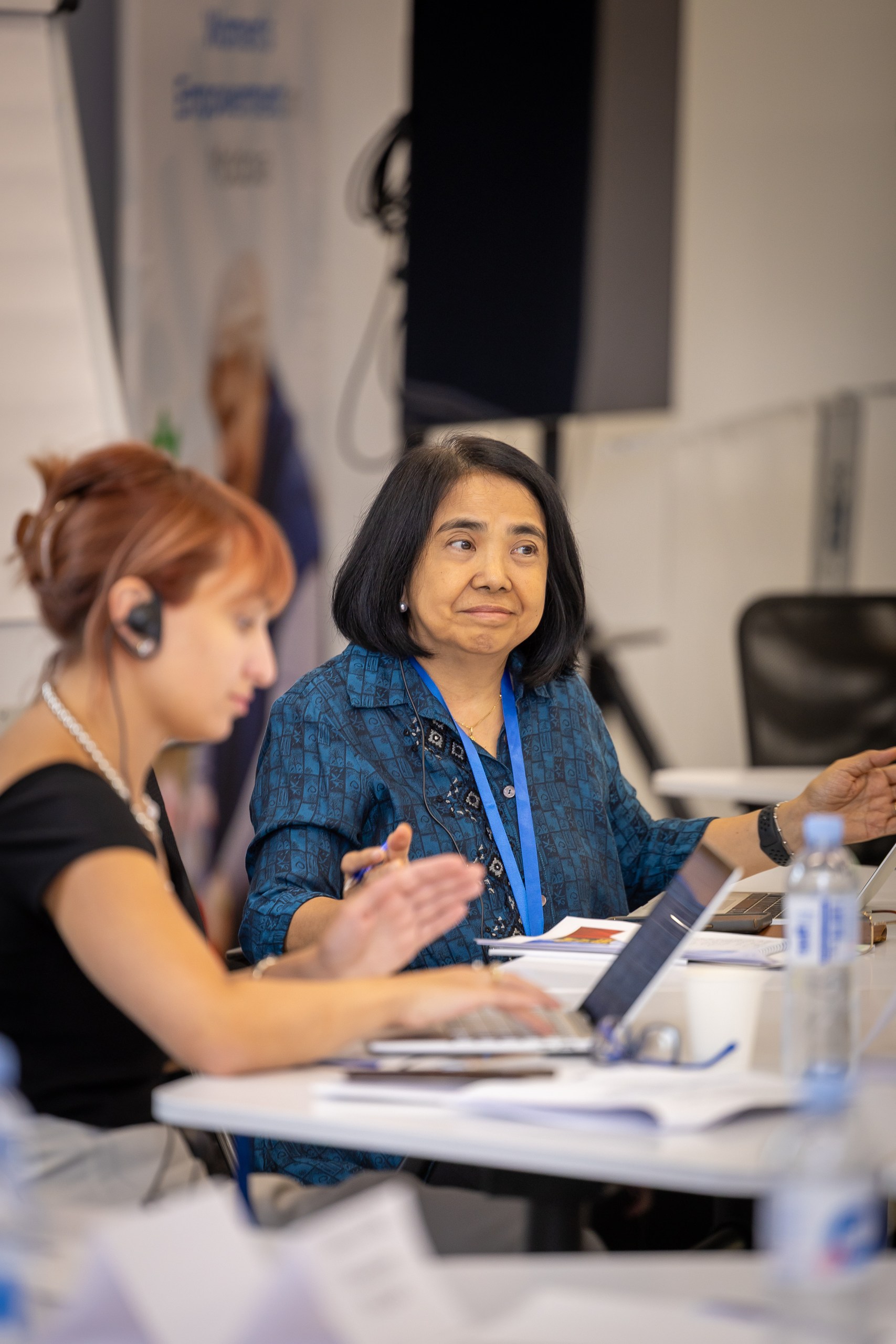
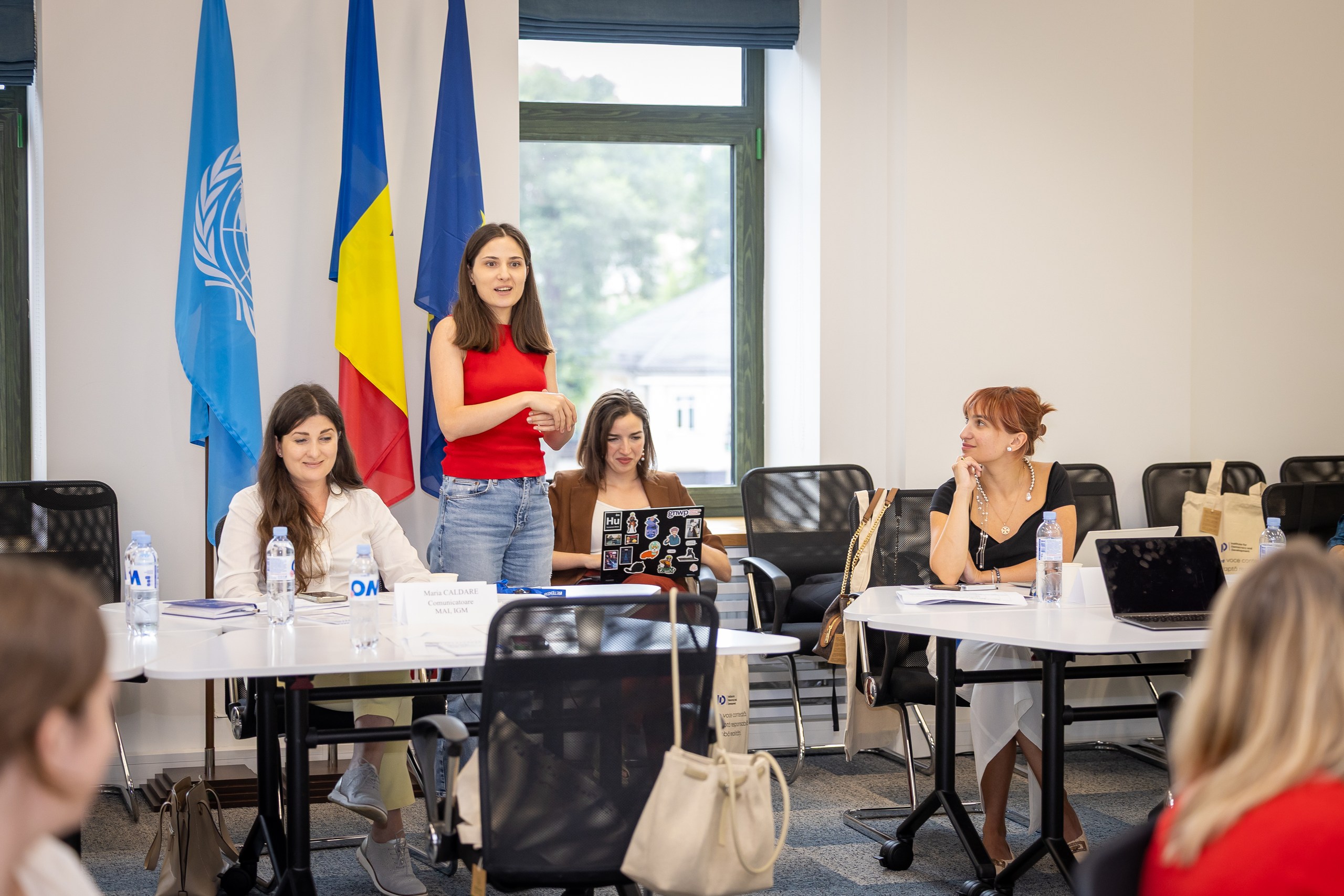
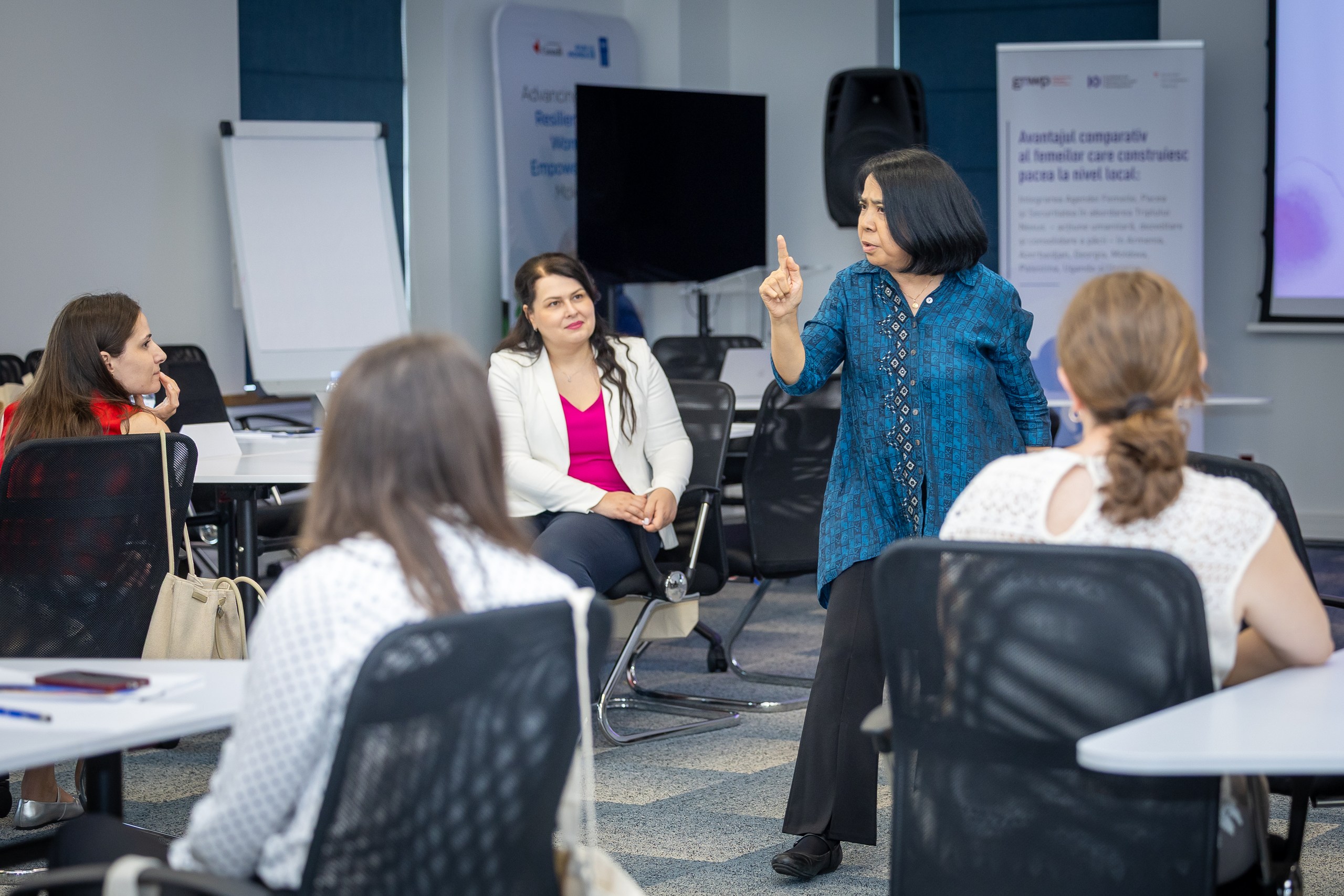
The first day of the workshop brought together 15 participants – journalists, reporters, communicators and content creators from Chișinău, Bălți, Căușeni and Ștefan Vodă, communicators from public institutions (Ministry of Internal Affairs, Customs Service, Prosecutor General’s Office), representatives of civil society and local authorities, as well as international experts from GNWP. Another participants, national and international experts and invited representatives joined the networking session.
The event is organized within the project “The comparative advantage of local women peacebuilders: integrating Women, Peace and Security into the Triple Nexus of humanitarian action, development and peacebuilding in Armenia, Azerbaijan, Georgia, Moldova, Palestine, Uganda and Ukraine”, implemented by I4DD in partnership with GNWP and ADA.
Highlights of Day 2
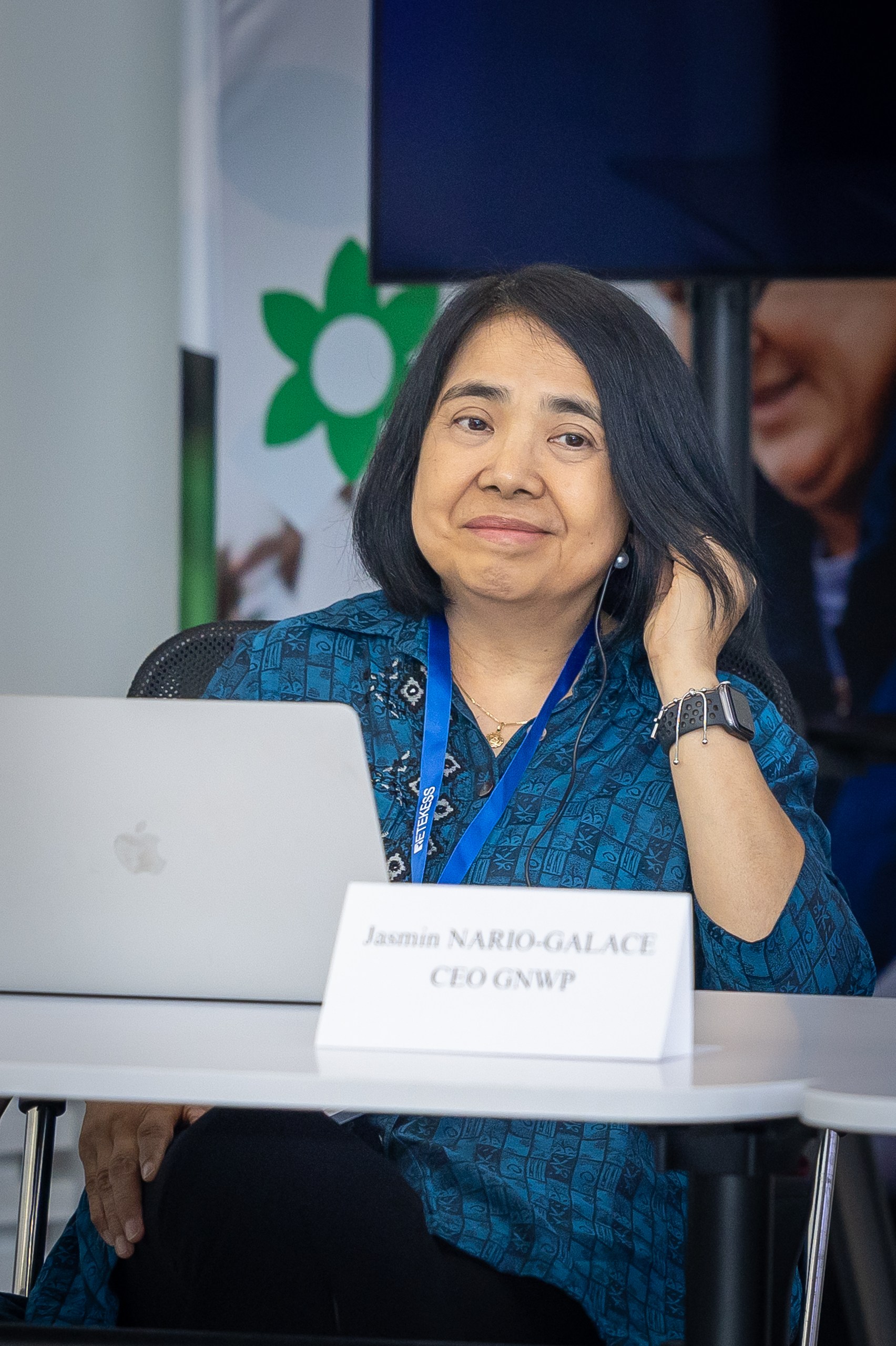
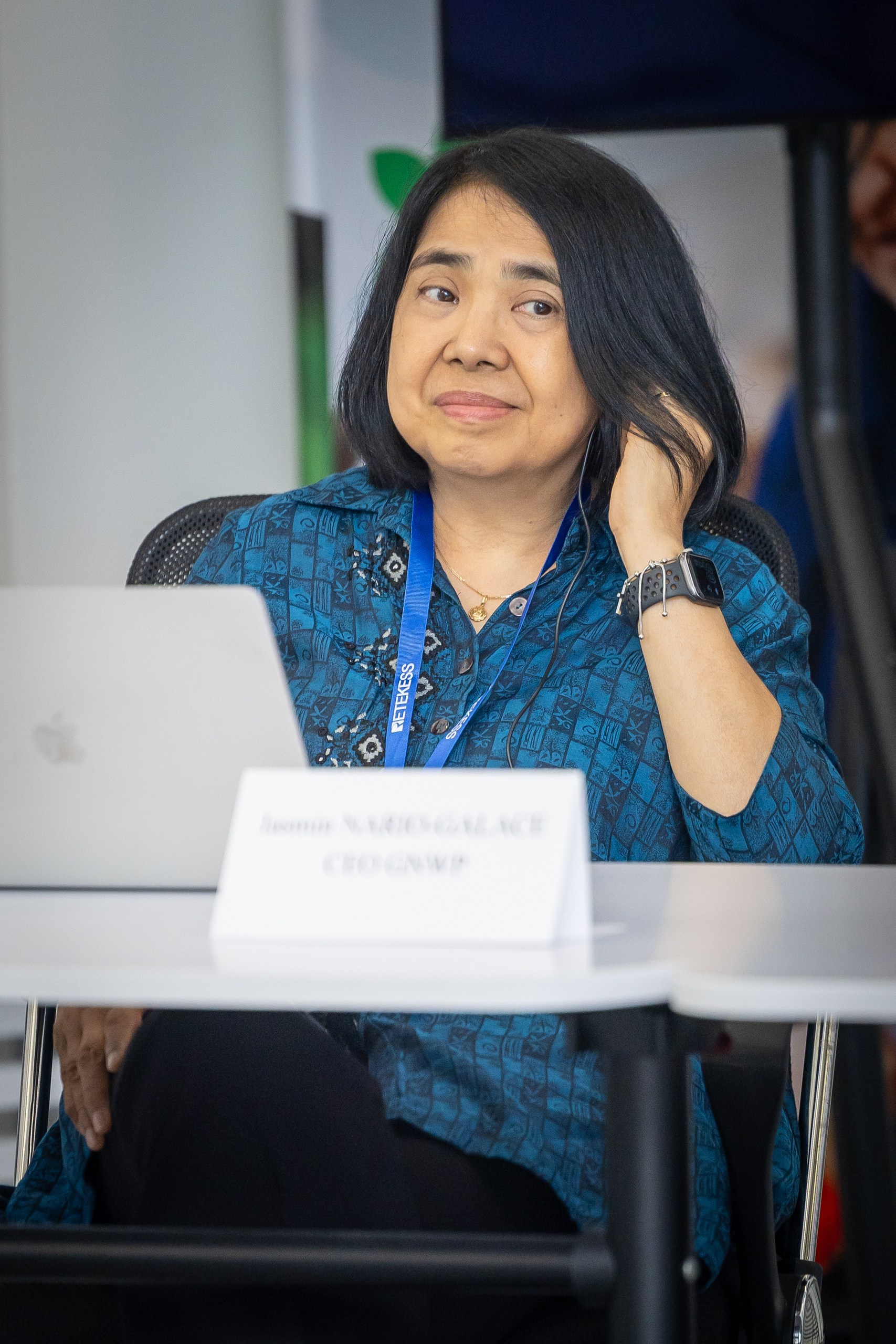
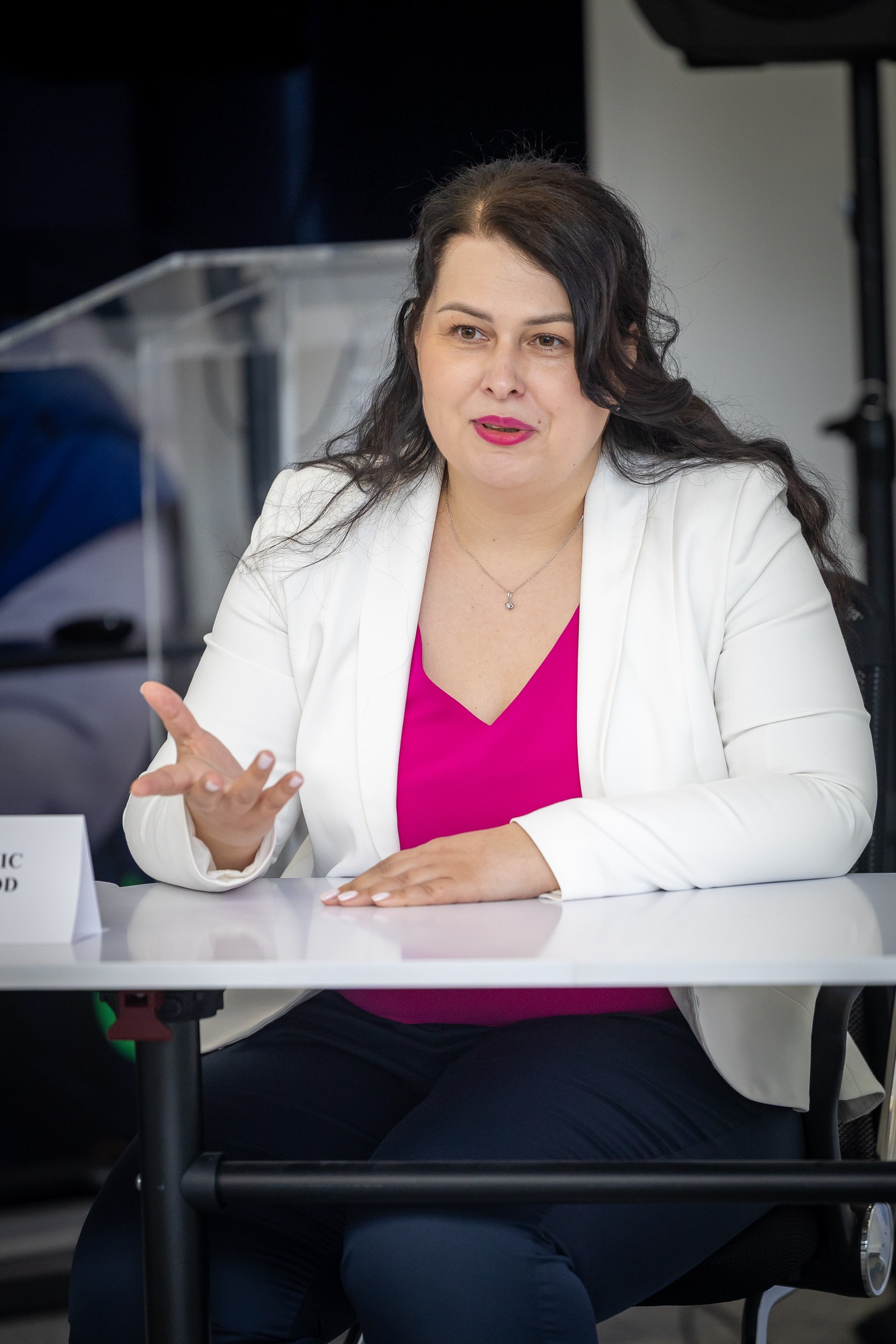
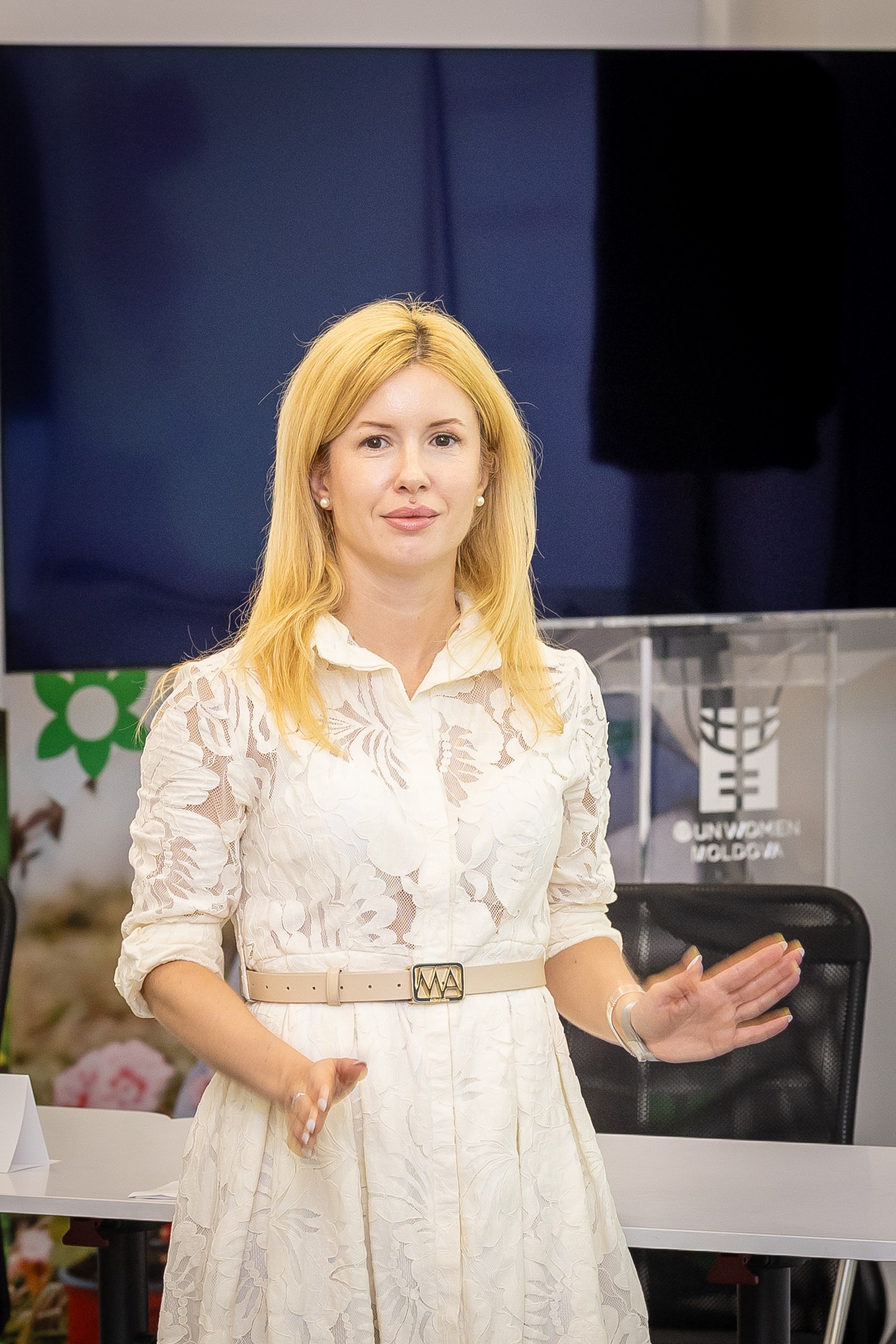
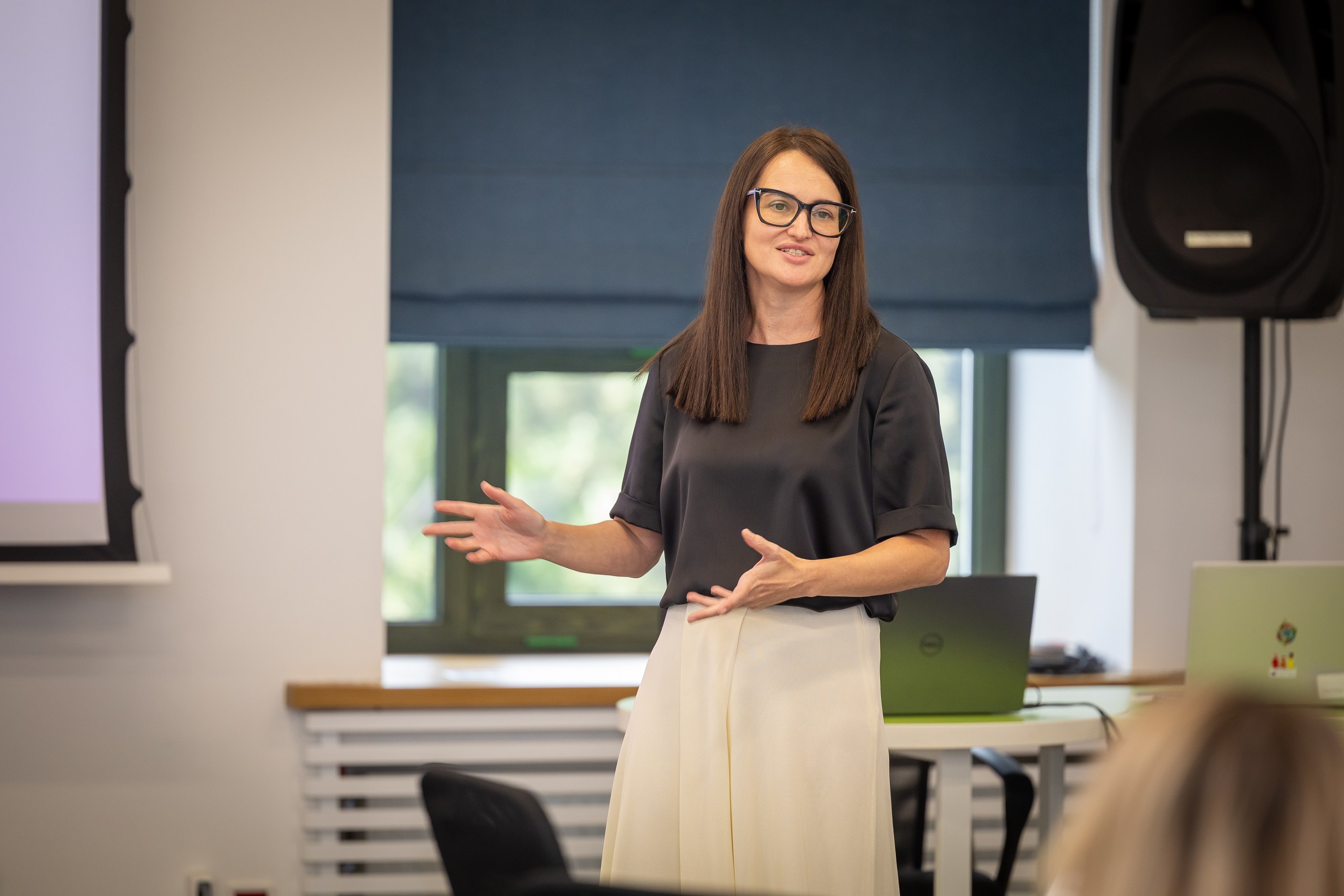
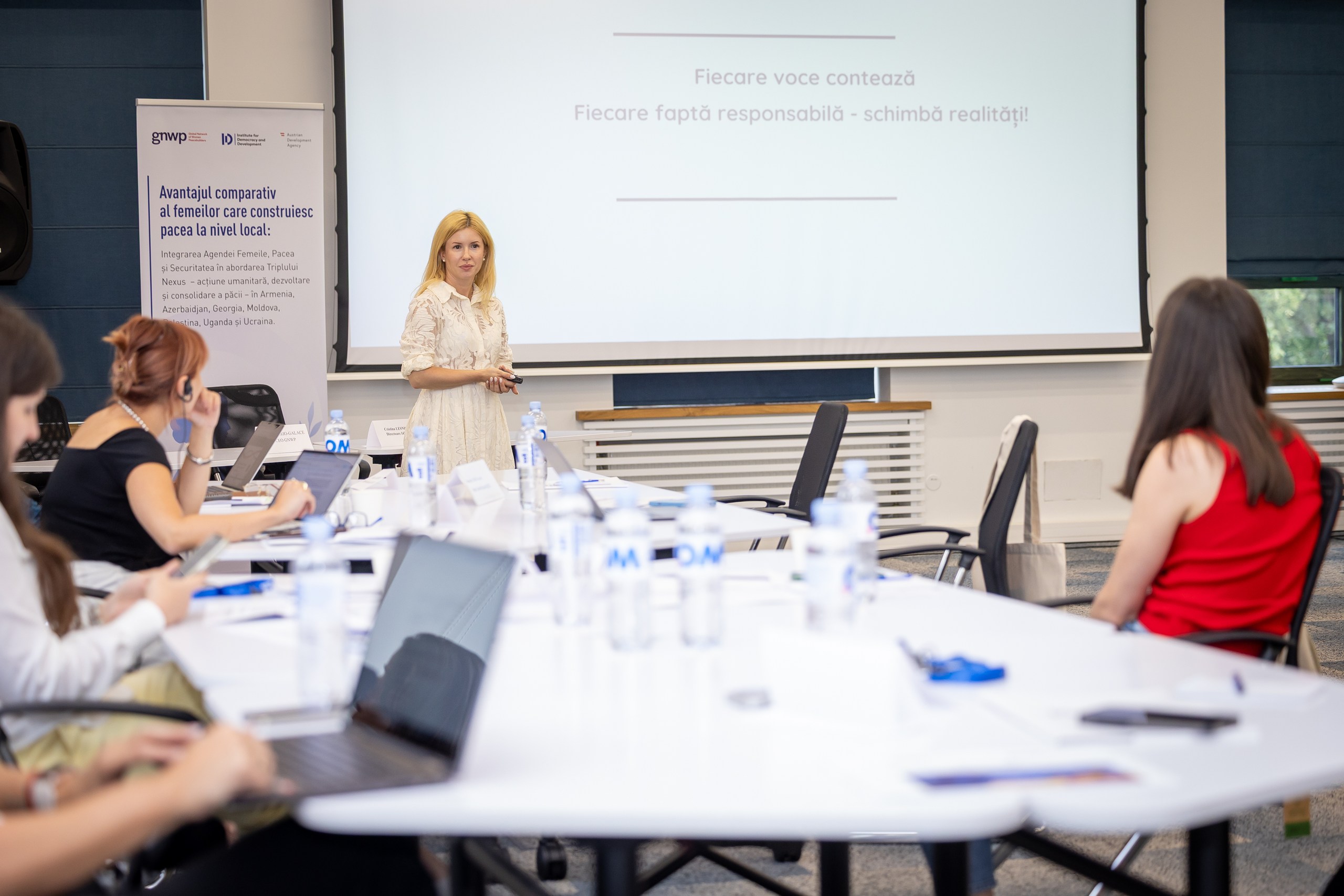
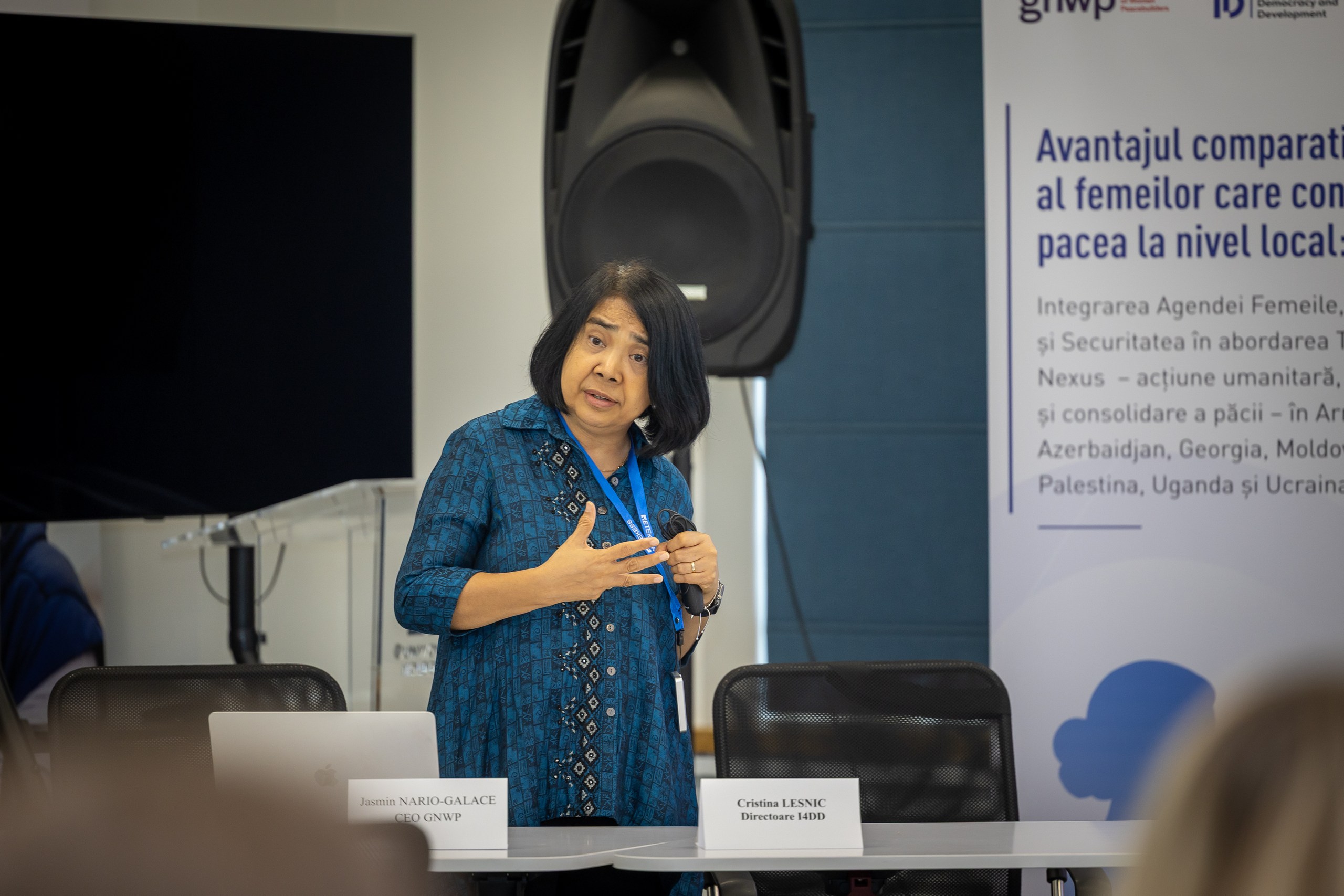
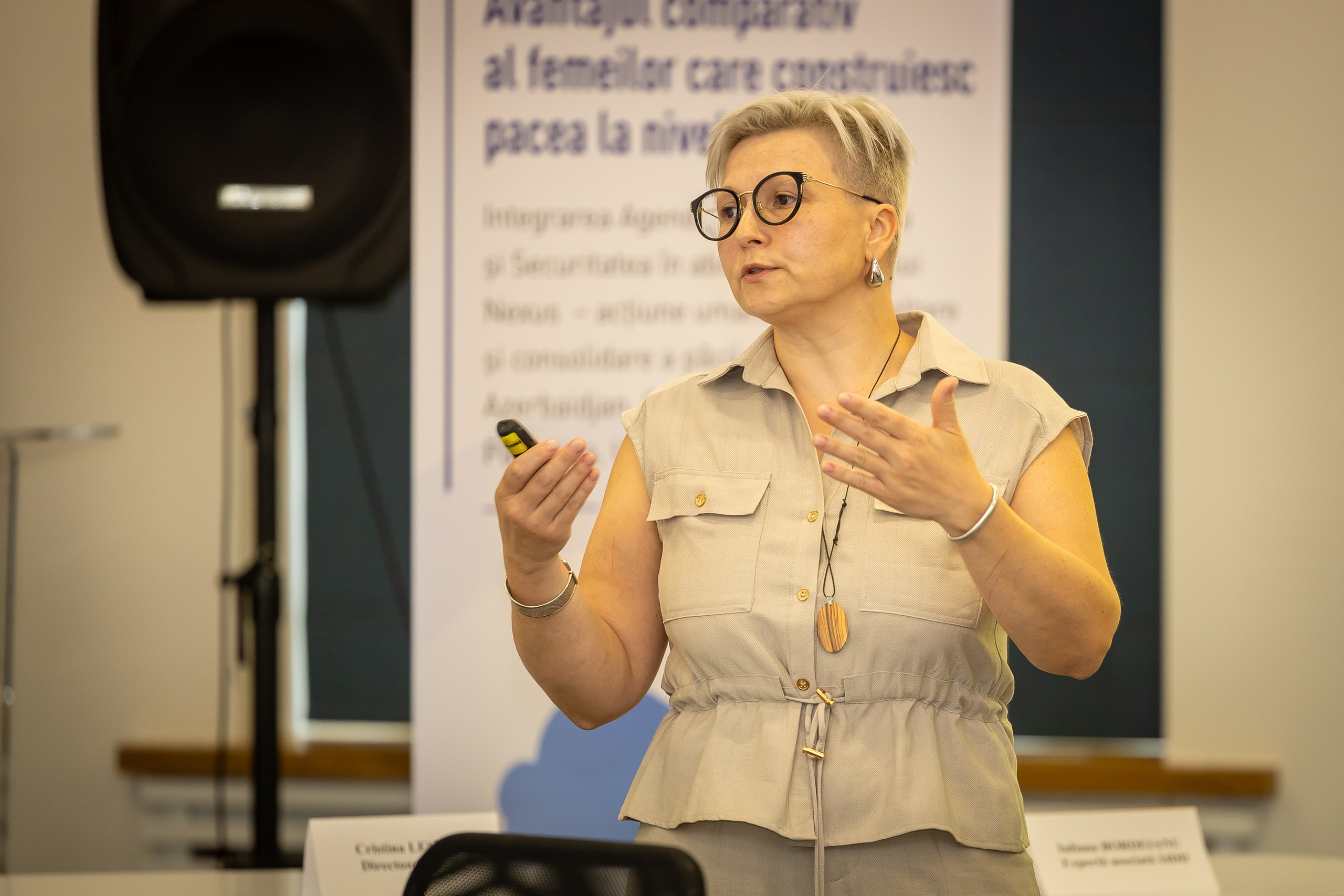
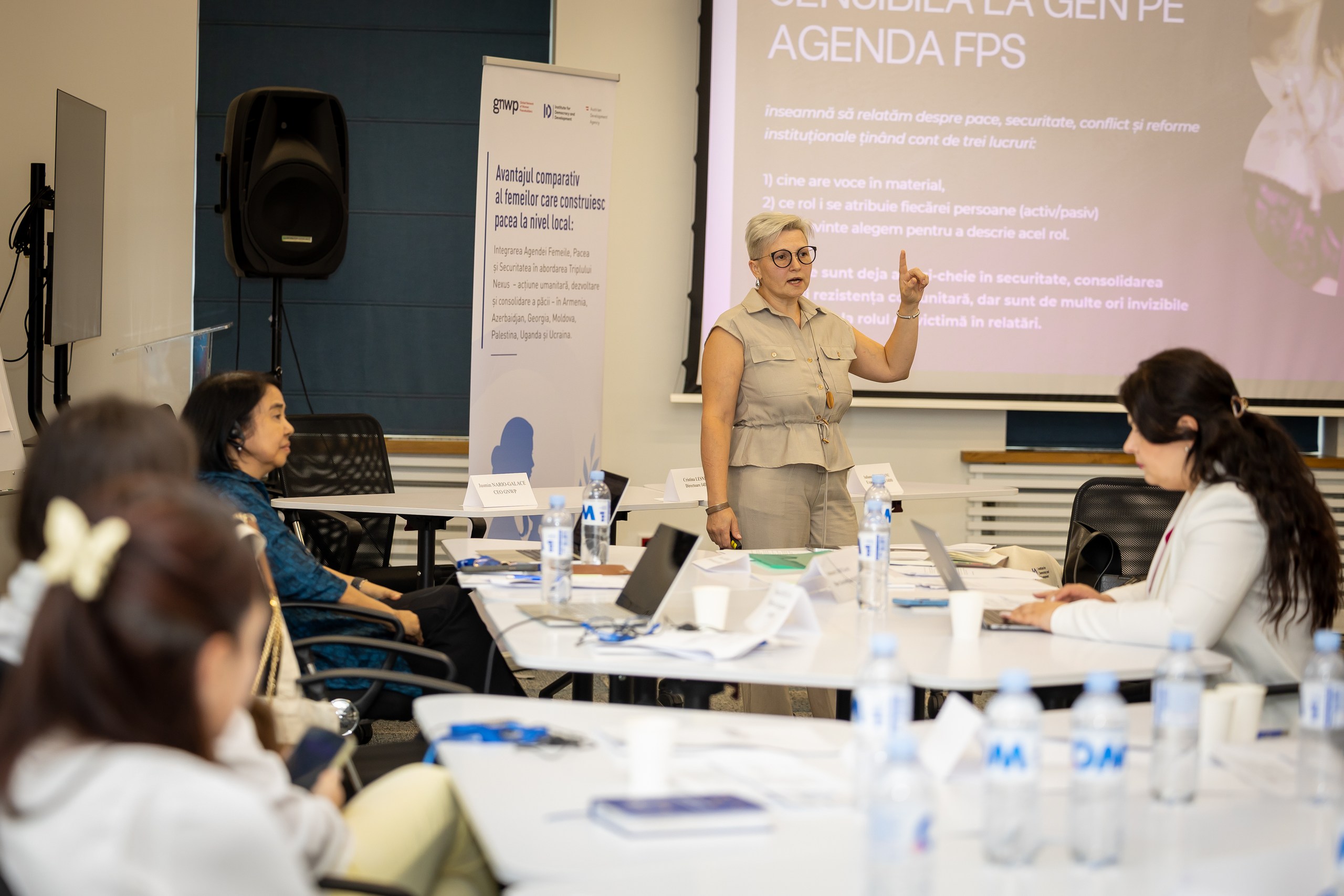
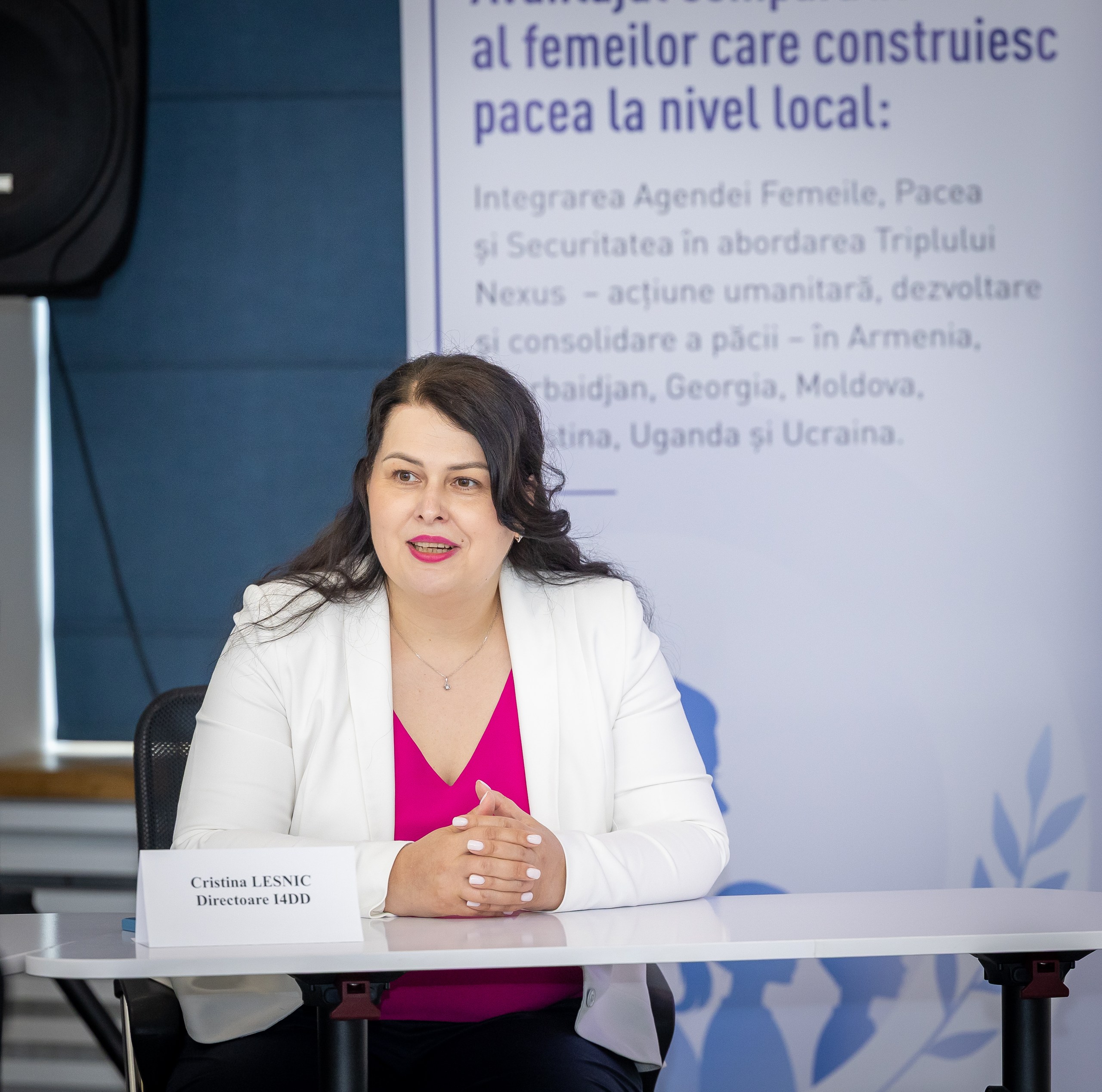
The workshop was opened by Cristina Lesnic, Director of I4DD, and Jasmin Nario-Galace, CEO of GNWP. The main session of the day, dedicated to gender concepts and gender-sensitive journalism, examined gender norms and biases in the media and global trends in the representation of women.
During the session, Cristina Lesnic emphasized that “Mass-media is not only an observer of change but a builder of trust between communities, not only a communication channel – but an actor of development and peace. If the Triple Nexus builds the connection between development–humanitarian–peace, then the media builds the connection between people.” She also highlighted that “Crises test institutions, and the media is the test of reporting the truth,” which is why the media is a vital actor in implementing the National Action Plan 1325 throughout its duration.
GNWP s CEO, Jasmin Nario Galace, appealed to media professionals to recognize the unique role and responsibility they hold in bringing untold stories to the public. She encouraged them to look beyond the deadlines and highlight the many ways women contribute to preventing conflict, resolving disputes, building peace, responding to humanitarian crises, and advancing sustainable development.
By bringing these stories to light, you not only give recognition where it is due, but also help reshape public perceptions, influence policies, and inspire future generations to see women as indispensable leaders and agents of change across the humanitarian, development, and peacebuilding sectors, mentioned Jasmin Nario Galace. She further expressed the hope that participants would leave the training with new connections and lasting friendships and become part of the growing Global Network of Media for UNSCR 1325 – a community of journalists committed to telling stories that advance peace, equality and human security.
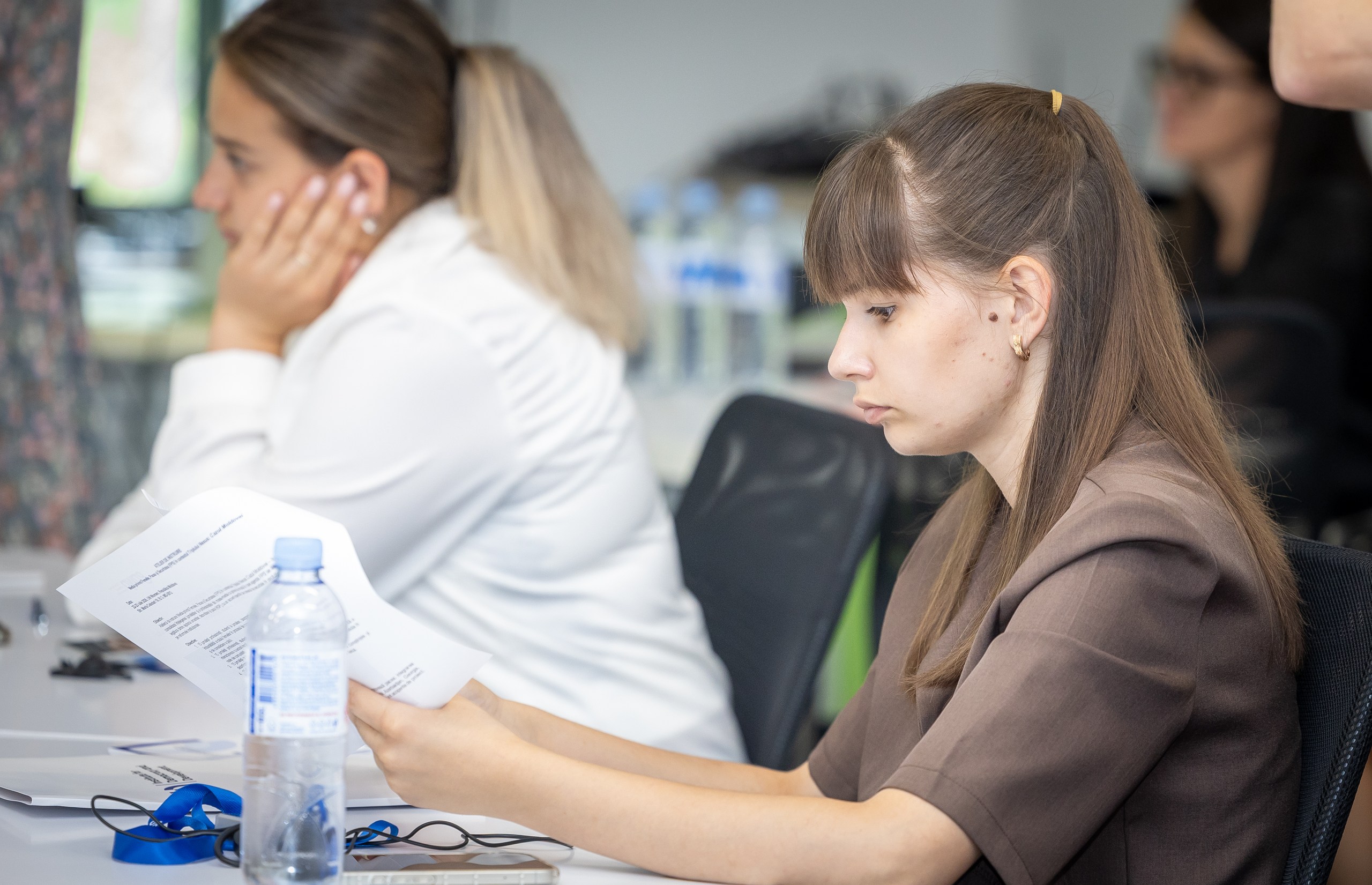
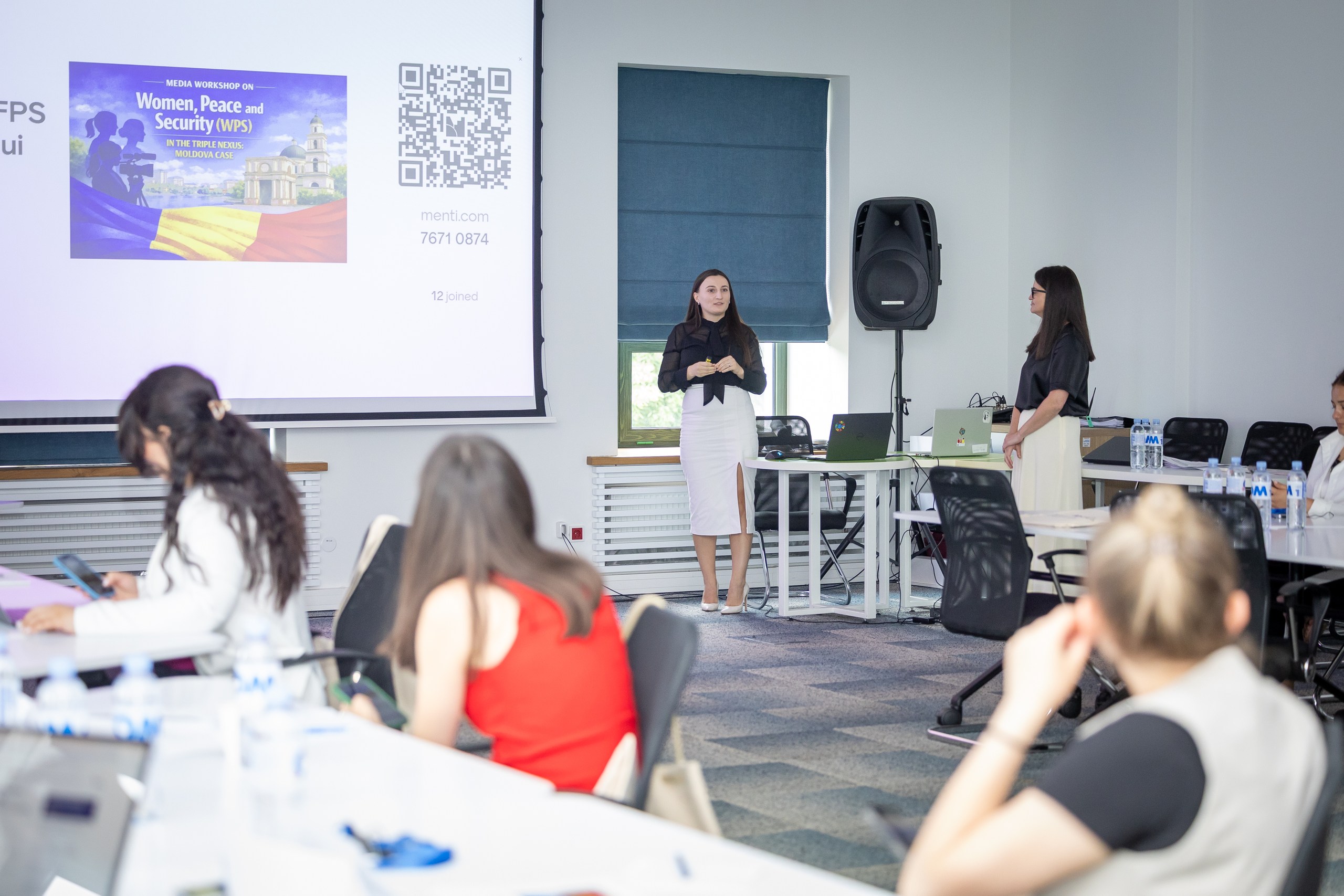
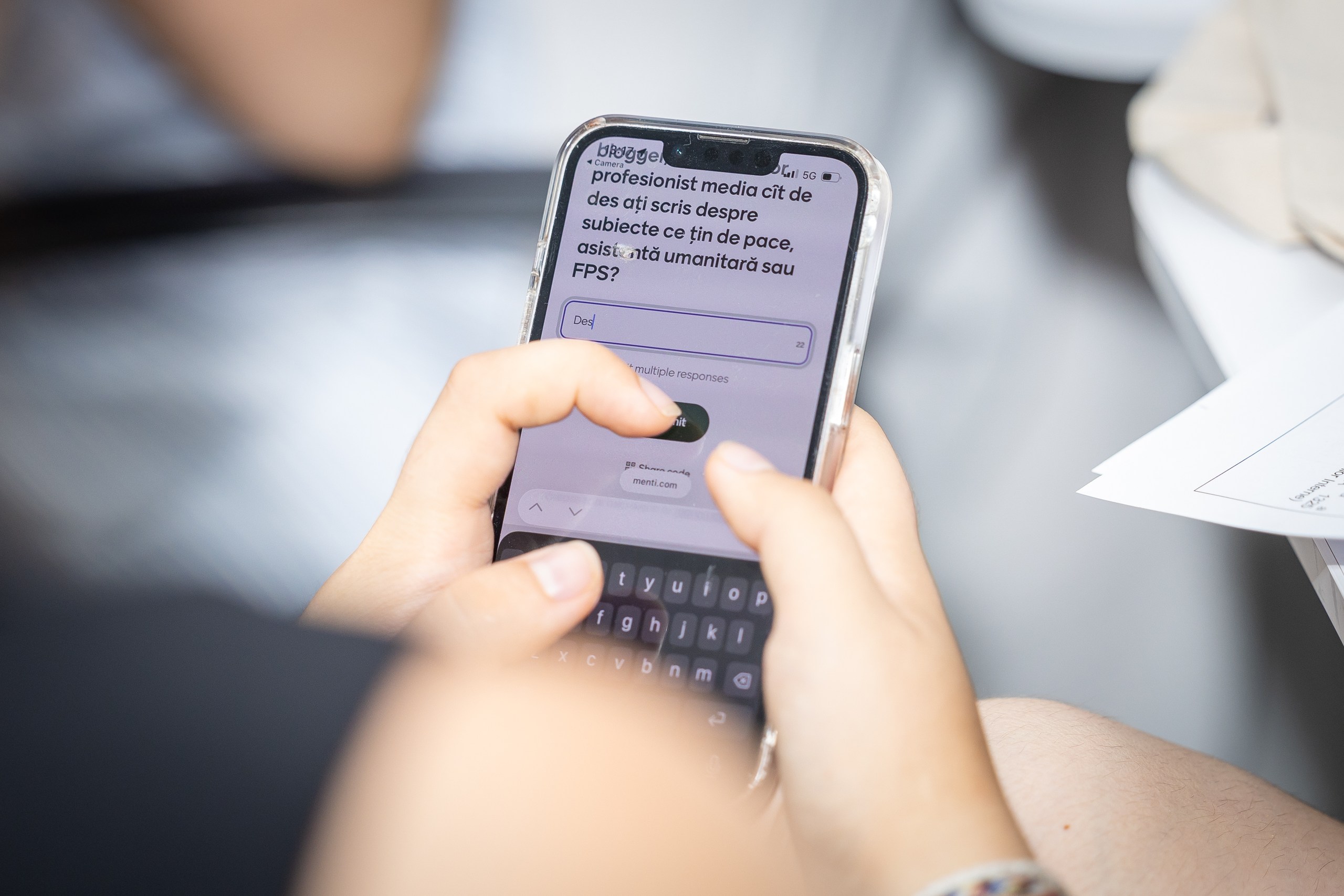
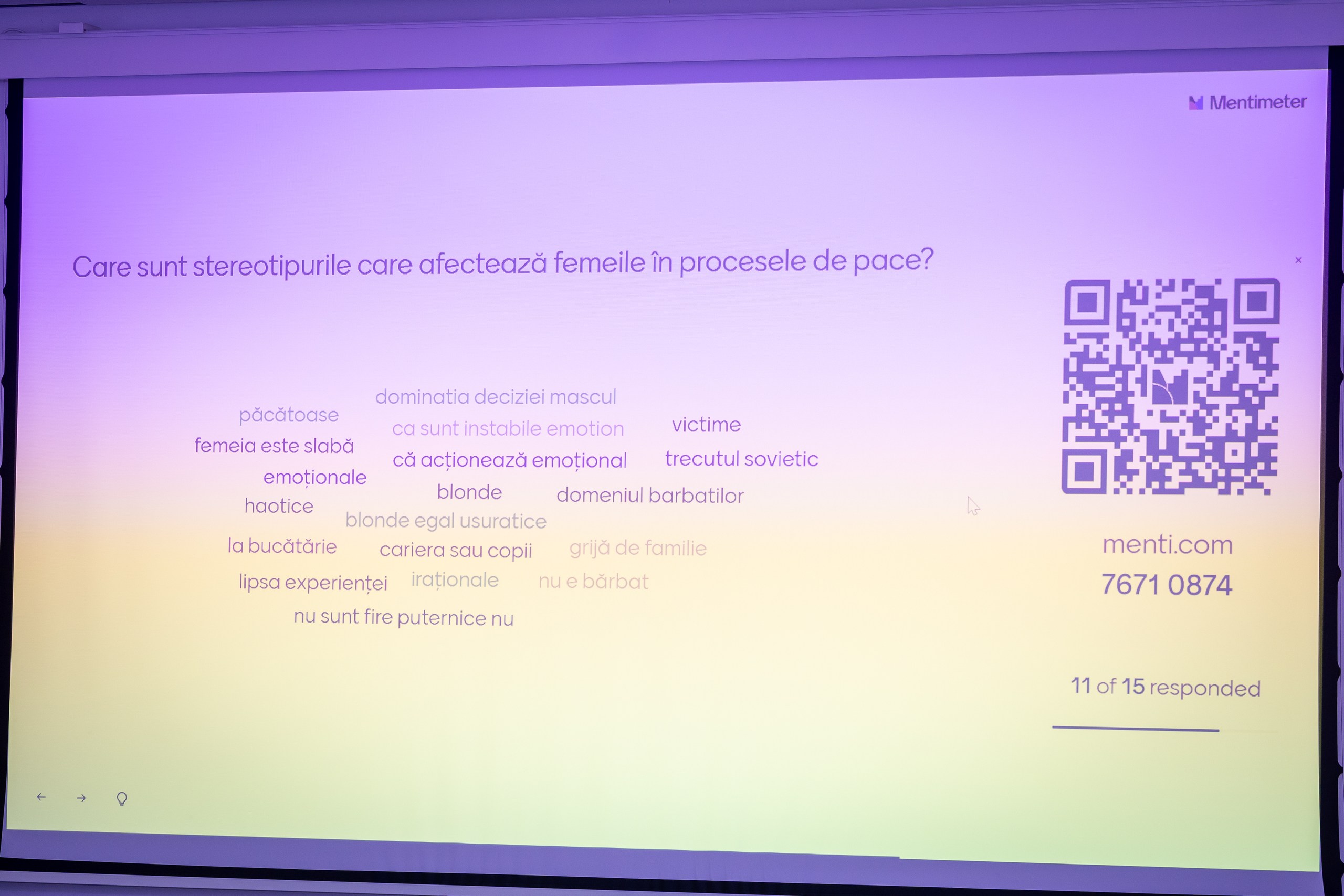
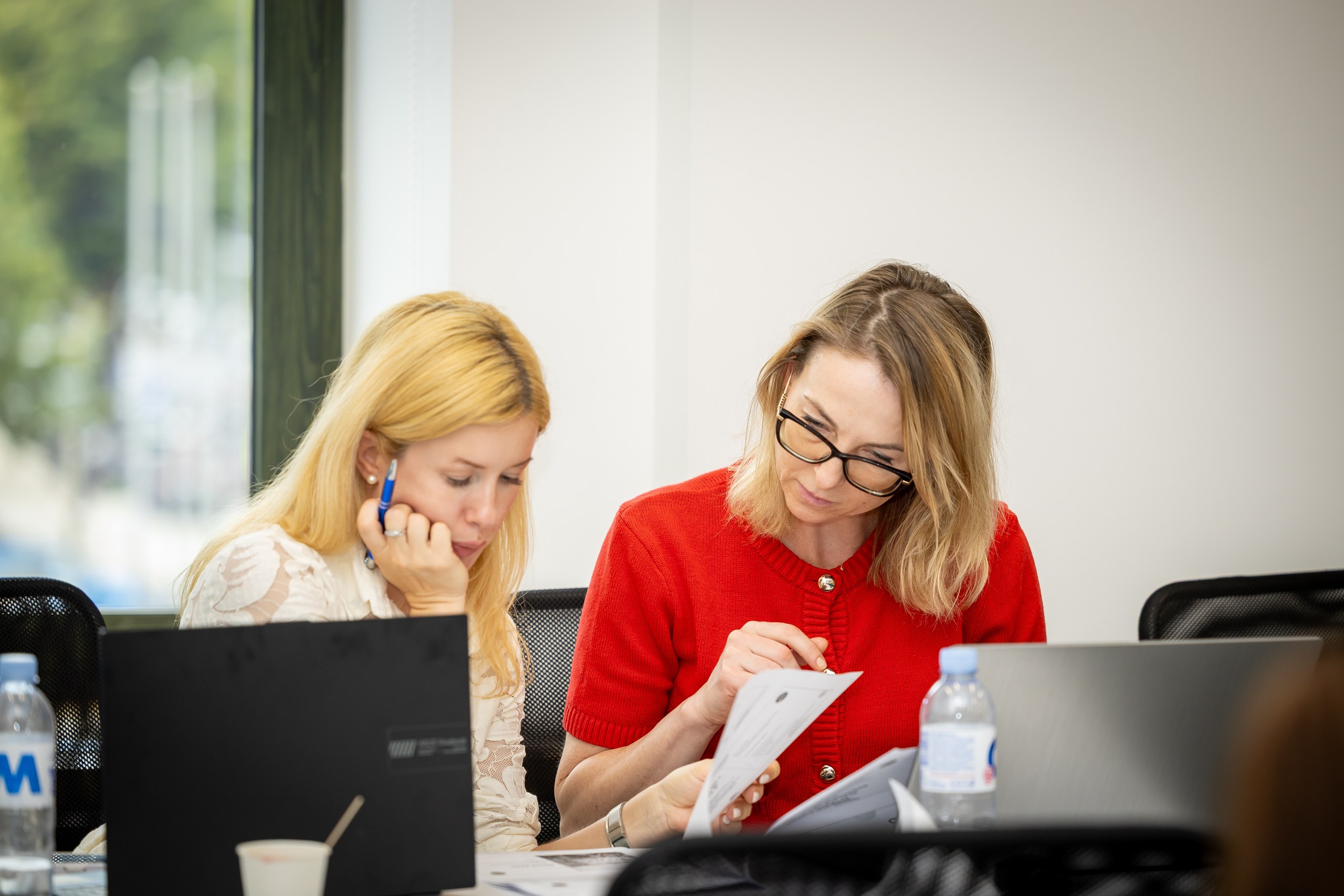
In the second part of the day, under the guidance of expert Iuliana Bordeaianu, participants carried out an exercise analyzing national press content through a gender lens, followed by a linguistic audit exercise – identifying problematic expressions and reformulating them into conflict- and gender-sensitive language. The day concluded with the presentation of media materials developed by participants and a reflection session.
Context
The workshop aims to strengthen the capacity of media professionals to reflect the role of women in peacebuilding and to inclusively cover humanitarian, development and peace processes (Triple Nexus), with a focus on Moldova’s security context and the implementation of the second National Action Plan on UN Security Council Resolution 1325 (2023–2027).


 English
  Romanian